

Boxtown is the name of a neighborhood in South Memphis. It’s not very newsworthy. A lot of Black people have lived there and been underserved in the past. It’s also not usually on the radar of big tech companies, unless they need a place to put a supercomputer.
That’s where Elon Musk’s AI startup xAI chose to build Colossus, a huge data center that opened in September 2024 in a building that used to make home appliances. xAI’s AI chatbot Grok is trained there, and the company brought in a lot of gas turbines to keep it running. Along with other pollutants, those turbines give off nitrogen oxides and formaldehyde. But the NAACP and the Southern Environmental Law Center say that xAI did all of this without the proper environmental permits.
According to the law, the NAACP had to tell xAI that it was going to sue them under the Clean Air Act before taking any further action. The lawsuit wants to stop the business from running and would fine it nearly $124,500 every day for breaking the Clean Air Act. The group had already asked for an emergency order to shut down Colossus a month before. This was the next step, and it was a big step up.
One of the most well-known people in this fight is Memphis Democrat State Representative Justin Pearson, whose district includes Boxtown. He said that it was like the story of David and Goliath in the Bible, and everyone in his community took David’s side. “It’s alright to be David,” he replied, “because we know how the story ends.” In that frame, there’s a quiet defiance that’s not loud or showy, but steady. The kind of confidence that comes from being sure of yourself even when you’re not in the lead.
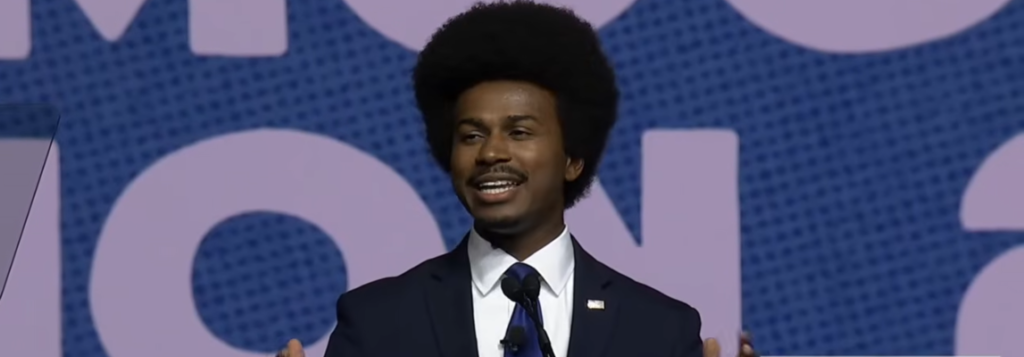
Then the US government gave a hand. According to the Department of Justice, Grok is a matter of national security, so they asked the U.S. District Court to throw out the NAACP lawsuit. The document said that the AI platform is one of only a few that can support secret military operations and that it helped U.S. forces hit targets in Iran earlier this year. That a chatbot’s uptime is more important than a neighborhood’s air quality is a strong argument. Pearson called the DOJ’s action what it seemed to be: the federal government using its power to protect the business interests of a trillionaire while denying people who are really affected by pollution any legal options. It’s tough not to get his point.
xAI, on the other hand, says it is following the law. The company said the turbines are only there for a short time and that it is looking for a permanent permit for a total of 15 turbines. The county mayor and the Chamber of Commerce, among others, have backed that position, pointing out that permits aren’t needed for the first year of use. In May, the Shelby County Health Department said the review would take around 60 days. That clock still seems to be shaking.
The thing that makes this story weird is how familiar it seems. A big tech company comes to a town that needs the money and jobs. The leaders of the town praise the company, but the people who live closest to the operation wonder if anyone really thought about the costs. People in Boxtown have been getting together, fighting back, and showing up. With its lawsuit, the NAACP gives that resistance a legal framework. If it makes it through the federal government’s attempt to kill it is a whole different question.
It’s still not clear how this will end. The courts will decide if the DOJ’s national security case is strong enough, if xAI gets its licenses, and if Colossus keeps running at full speed. It’s already clear that a neighborhood didn’t back down when it came to taking on one of the biggest companies in the world.
