

Many Australians put their retirement savings in fund managers for years and seemed to have faith that those managers would do everything they could to make the money grow. The whole system of retirement savings is based on this kind of quiet faith. The CommBank superannuation class action settlement showed that that trust may not have been well placed in at least one important part of the system.
A settlement worth $249 million was reached between Commonwealth Bank of Australia, Colonial First State Investments Limited, and Avanteos Investments Limited. The settlement affects more than 500,000 fund members. It’s not hard to understand the main accusations in this case, which is part of what makes them so troubling. That’s more than ten years, from November 2008 to September 2021. Members of the fund say their retirement savings were kept in cash and deposit accounts at CBA, the parent bank of the fund managers, without any effort to find better interest rates elsewhere. It was said that the funds also got payments from CBA that weren’t made public as part of these deals.
The fund managers and CBA agreed to settle, but neither of them admitted fault or liability. In situations like this, that qualification is normal, but it doesn’t seem to fit well with a $249 million payout. The settlement still needs to be approved by the Federal Court before the money can be given out.
In 2005, Wendy Gibson signed up for Colonial’s FirstChoice Wholesale Personal Super. From 2011 to 2019, she put money into term deposits through the product. She said that when she heard about the alleged behavior, she was “dumbfounded.” There’s something in that word—not anger or shock, but a kind of shocked disbelief. Gibson and others like her had done what they were supposed to do. They agreed to do it. They gave something. They held out. They might not have thought about the fact that the institution in charge of their money might have its own reasons to act in a different way.
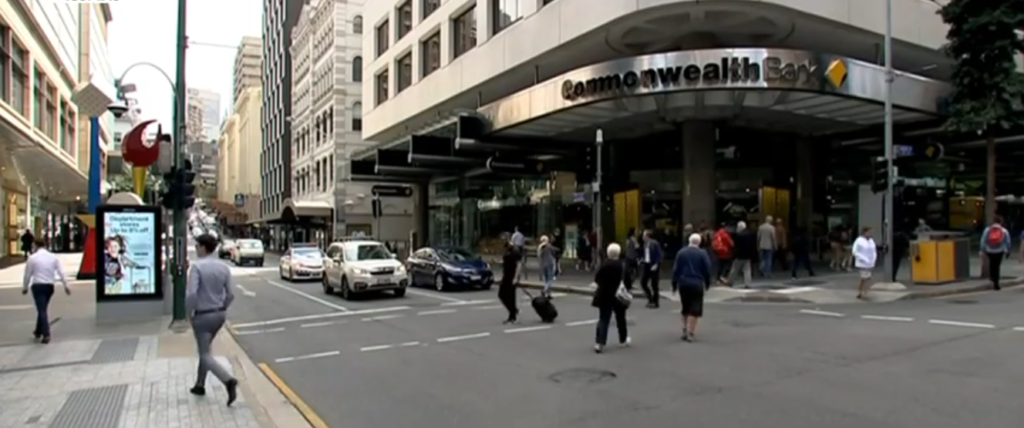
Nathan Rapoport from Slater and Gordon, the law firm that brought the class action, made the financial stakes very clear: a few hundred dollars lost today and left behind in a superannuation account grows over decades into a much larger amount by retirement. It’s the math of super working backward: the same slow accumulation that makes people rich is also slowly taking it away. How you frame it matters. In this case, the harm is hard to see in the short term because it only shows up as a slightly smaller number on an annual statement. This makes it easy to miss and harder to link to a specific decision.
After the 2018 Banking Royal Commission, which found a pattern of bad behavior in the financial services sector that hurt regular Australians in favor of institutional interests, this case was one of many that came to light. Without the Royal Commission, this case might not have gotten this far. People were more likely to believe that institutions they had trusted for years were doing something really wrong after the commission.
At least, members who are affected don’t need to do anything. If the Federal Court agrees to the settlement, the money will probably go straight into people’s retirement accounts, following a plan approved by the court. Even though it’s not completely satisfying, it’s a good result. Someone else who applied as a lead said that they hoped the big banks had “learned their lesson.”” It’s not clear if they have or not. There is no doubt that the retirement accounts of half a million Australians will be a little fuller than they were before. Someone finally fought to make that happen.
