

A certain kind of worry spreads faster than any virus. It’s the kind of worry that turns every sneeze into a possible outbreak and lives on in news stories and group chats. The most recent health data for Delhi, which came out on August 22, has that kind of energy right now. This year, the city has had 2,392 cases of Influenza-A, and 1,777 of them have been confirmed to be H1N1. 114 new cases were recorded in a single day, August 20. You don’t just scroll past those numbers without stopping.
Some people still call Influenza A H1N1 “swine flu.” This name hasn’t gone away since the 2009 pandemic that made the world aware of it. It just went away on its own, becoming one of the strains that come back every year with different levels of intensity. It doesn’t make the front pages very often. At least in Delhi, this season it’s gotten some attention.
The Union Health Ministry has looked into the situation, and from what has been made public, the main focus has been on keeping an eye on things, making sure healthcare is ready, and telling people whose symptoms don’t go away or get worse to get checked out. That’s the right and measured answer. Also, keep in mind that Delhi’s phone numbers only tell you about things happening in Delhi. They don’t automatically tell you what’s going on in Maharashtra, Pune, or anywhere else. By the end of July, 303 laboratory-confirmed cases of H1N1 had been reported in Maharashtra. Forty of those cases were in Pune Municipal Corporation. That’s a different scale, but that doesn’t mean it doesn’t matter at all.
This time of year, H1N1 is hard to spot because it looks a lot like other viruses that are going around during the monsoon. Any of those signs—fever, dry cough, sore throat, body aches, and tiredness—could be caused by a dozen different viruses. Most people will think they just have a cold, rest for a few days, and get better without ever knowing what they had. That’s probably fine for most people. When the virus is mild to moderate, it usually goes away on its own with just fluids, rest, and time.
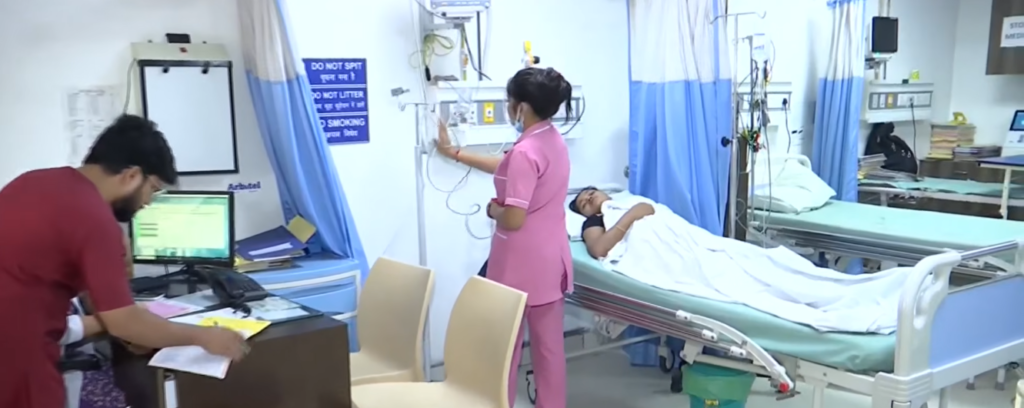
Concern lies with a certain group of people, and it’s important to be clear about who they are: older adults, young children, pregnant women, people with asthma, heart disease, diabetes, or a weak immune system. For these people, what starts out as a mild flu can quickly turn into pneumonia or serious breathing problems with little to no warning. When someone is in one of these groups, getting medical help right away is more important. For a healthy adult, it makes sense to wait a few days to see if things get better. For someone who already has a long-term illness, it’s a riskier calculation.
There is one sign in particular that should make you decide right away to get help: trouble breathing. Having a fever and cough is not fun, but it’s normal. If you have trouble breathing, chest pain, confusion, or a blue tint to your lips, that means your body is having problems that need to be looked at by a professional, not watched at home. These have been named by the government as warning signs that need to be looked at right away, and you should follow their advice.
Making big changes to your daily life isn’t needed for prevention. The basics haven’t changed: wash your hands often, don’t touch your face, wear a mask in crowded indoor spaces when respiratory illness is going around, and stay home when you’re sick. Like most seasonal flu strains, H1N1 spreads through droplets in the air. The reasoning behind staying away from crowded, poorly ventilated areas during times of high influenza activity is pretty clear. A lot of people don’t realize how important ventilation is, especially in homes and offices during the monsoon, when windows are often closed.
It is important to make this clear: antibiotics do not treat H1N1. It’s a virus. It’s easy to want to self-medicate, especially when a pharmacy is closer than a clinic. But doing so doesn’t help and comes with its own risks. A doctor will decide if antiviral treatment like oseltamivir is right for a person by looking at their symptoms, risk profile, and overall health. You shouldn’t start it because of a news story.
The rise in H1N1 cases in Delhi is a real public health emergency. Also, it’s not always a preview of what will happen in other cities. Flu activity changes, surveillance gets better, and conditions in different areas change. It makes sense to know what to look out for, take precautions that you already do, and see a doctor if symptoms last longer, get worse, or show up in someone who is already at a higher risk. That’s much more useful than panicking and much less dramatic.
