

There’s a certain kind of grief that comes on slowly. Not the quick and sharp kind. The kind that grows over years of trips to the hospital, posting pictures of your son in a wheelchair on social media, and telling everyone about your son who can’t speak for himself. Every boxer knew this day would come when Richard Colón wrote on Facebook that his son Prichard had died. It had been on the way since October 2015.
Prichard Colón passed away on August 13, 2026. He was 33 years old. His death was caused by a single fight, a 10-round super welterweight match at EagleBank Arena in Fairfax, Virginia, against Terrel Williams. Colón took several illegal blows to the back of the head that nite. The referees should be able to catch that kind of punch. If you get hit with that kind of punch once, you should be warned. It can kill someone if it lands over and over again. It did happen with this one, but it happened slowly over eleven years.
It’s hard to believe this story because we don’t know who Prichard Colón was before that nite. He was 23 years old and had won all 16 of his professional fights by knockout. He moved to Puerto Rico when he was 10 years old so he could compete for the island. He was born in Maitland, Florida. He trained at the Salinas Olympic Center and won five national amateur titles. At the 2010 Pan American Youth Championship, he also won gold. He won 170 games and lost 15 as an amateur. Just one month before the Williams fight, he knocked out Vivian Harris, who was the WBA champion. From every angle, it looked like he was on his way to something important.
It was planned that the fight with Williams would be the next step forward. Instead, videos going around the internet show Williams hitting Colón in the back of the head in the seventh round. It was an illegal blow that knocked the young fighter out for a short time. In his corner, he was checked out. Williams got in trouble. The fight went on. In the ninth round, Colón was knocked out twice. His corner made a big mistake when, thinking the fight was over, they took off his gloves after the ninth. It wasn’t. Because of the confusion, they were disqualified. Soon after, Colón showed signs of serious head trauma in the locker room. He was rushed to surgery right away for a brain hemorrhage. He was asleep for 221 days.
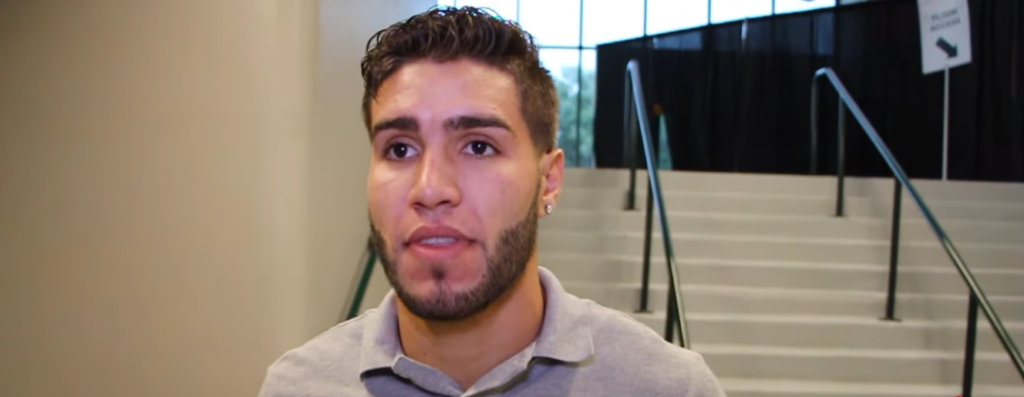
He never really came back. After that, Prichard’s father showed him pictures of him in a wheelchair for years. He was still smiling sometimes, and he was still there in a way that was both sad and defiant. He had a conversation with a computer. He went to physiotherapy. His family stayed strong. People in boxing sometimes thought about him, but then they moved on to the next card, the next title fight, or the next rising star. That’s how the sport works. It doesn’t stop often.
His death was mourned by the World Boxing Council, which called him a “eternal champion” and said that his death had directly led the group to tighten its rules on rabbit punches (blows to the back of the head) and make medical procedures stricter. Colón had been given an honorary title of “World Champion” and the “Green and Gold” belt by the WBC in the past. It’s a gesture that seems both real and not enough. Because of what happened, the rules changed. In a sport that has always had trouble protecting its own, it’s still not clear if these changes come soon enough or go far enough.
His dad spoke in a clear and simple way. “He is in a better world.” When you read those words, it’s hard not to feel the weight of everything that wasn’t said: eleven years of caregiving, hope, and seeing someone you love live on the edge of consciousness. No one ever fought Prichard Colón again. He was never given the chance to choose when his job was over. On an October nite in Virginia, a punch that went where it shouldn’t have made that choice for him.
