

The events involving celebrity blogger Perez Hilton on Tuesday night are extremely unsettling, not only because of what transpired but also because of the manner in which it occurred. live-streamed on TikTok in front of a viewership. For several hours, the platform that built its empire on 15-second bursts of happiness, dancing, and distraction served as the setting for something far more somber.
Following a flurry of calls from people who had seen the TikTok livestream and recognized what they were watching, Miami-Dade Sheriff’s deputies arrived at Hilton’s residence. For a brief moment, that particular detail sticks in your mind: regular people, most likely going through their feeds after dinner, suddenly discovering themselves as the first person to respond to a mental health crisis involving a man they knew from gossip blogs and tabloids.
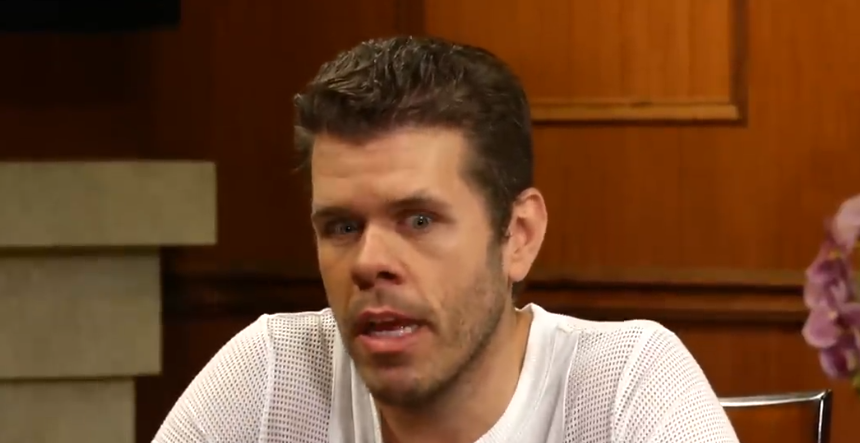
Eventually, the sheriff’s office verified that the person had been safely recovered and taken to a nearby hospital by Miami-Dade Fire Rescue. According to their statement, deputies deliberately chose to tactically disengage after speaking with family members present and confirming the man was alone inside. This strategy, which has its roots in crisis intervention training, focuses on maintaining distance, preventing escalation, and avoiding confrontations that might worsen the situation. It’s a measured response that, by most accounts, was successful.
Even so, it’s more difficult to sit comfortably with the larger image. Hilton’s account was suspended by TikTok just minutes after the video started going viral, which is both a sensible policy response and, in some respects, a reminder of how reactive rather than preventive these platforms still are. There was a video. It spread. It was viewed. The suspension followed.
Since the early 2000s, Hilton—born Mario Lavandeira Jr.—has been a mainstay in the entertainment industry. He became well-known, controversial, and frequently despised due to his gossip blog. Over the years, he has spoken more candidly about personal struggles, engaged in public feuds, and been criticized for his coverage of celebrities, especially women. He revealed earlier this year that he had been hospitalized for several weeks due to a severe medical scare. He and his kids had just moved to Miami from Las Vegas.
The events of Tuesday are not made easier to understand by any of that background. It would be simplistic to attempt to create a coherent narrative here because mental health crises seldom follow one. It’s important to remember that even someone with a prominent position in society and a well-known life can find themselves feeling incredibly alone on a Tuesday night, with strangers on the internet being the first to notice a problem.
All of this raises an important question about the obligations platforms have when hosting live content. In a practical, operational sense rather than a nebulous, think-piece one. Who is observing? What causes a review by a human? In reality, how quickly can intervention take place? These are not brand-new queries. They were brought up following other incidents on Instagram, Facebook Live, and YouTube. The responses are still lacking.
Hilton had already been transported when the crisis counselors and mental health specialists showed up. Support was given to his family. That’s something, at least.
You can reach the 988 Suicide and Crisis Lifeline by texting or calling 988 if you or someone you know is having difficulties.
