

A working-class family from the Bronx or South Queens drives past the USTA Billie Jean King National Tennis Center in Flushing, looks over at the crowds coming in, and keeps driving. This is a New York moment that doesn’t get talked about enough. It’s not because they don’t care about tennis. But because a Main Draw seat at Arthur Ashe Stadium can cost hundreds of dollars, and most people can’t afford that.
In this context, Mayor Zohran Kwame Mamdani and the US Tennis Association announced that 1,000 $100 tickets to the 2026 US Open would be made available to residents of New York City starting August 26 at 10 a.m. on a first-come, first-served basis. After all, the event that year drew almost 1.2 million people, this is a small number. But it seems important to pay attention to the action and what it says about how this administration deals with city life.
People from New York can buy up to two tickets for each Main Draw match from August 30 to September 8. The seats cover both Arthur Ashe Stadium and Louis Armstrong Stadium and come with grounds passes, so people who buy tickets can move around the complex, watch practice courts and doubles matches, and really enjoy the atmosphere of what is one of the biggest sporting events in the world every year. To give you some background, the US Open brings in more than $1.2 billion a year for the economy and is shown to more than 200 million people in 200 countries. It stays in New York. Many people in New York have never really felt like it was theirs, though.
The way Mayor Mamdani talks about this is clear and, let’s be honest, political. “If the best tennis players in the world come to New York, everyone should be able to see them play,” he said at the time. It seems like the administration has been building up to this kind of statement all summer by getting cheap FIFA World Cup tickets, holding FanFests in all five boros, giving away free Knicks playoff access on LinkNYC screens, and making citywide court lighting hours longer. When you read it all together, it seems less like a list and more like a real set of rules for running the country.
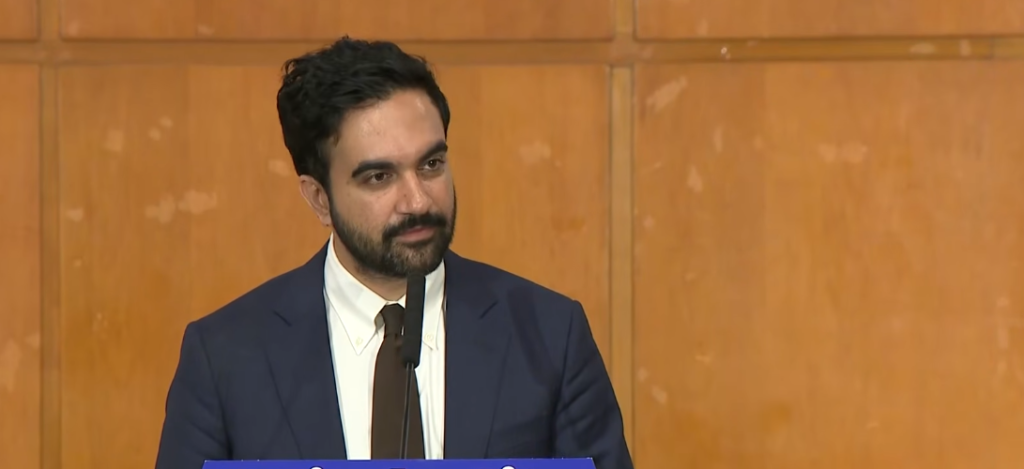
Craig Tiley, CEO of the USTA, said that the organization already gives free access to the grounds for eight days during Fan Week. This includes watching qualifying matches and practice sessions. That has always been a real deal—real tennis with real players, and you don’t need a ticket. But Fan Week and Main Draw Week are not the same thing. One is a sneak peek, and the other is the real thing. It’s a big step up from free qualifying to let residents into Arthur Ashe Stadium for Main Draw matches, even though 1,000 tickets aren’t a big chunk of the total number of people who attend.
It’s still not clear how fast those tickets will sell. If you’ve ever tried to use a limited city ticket portal during a busy time, you know how frustrating it can be: pages that won’t load, lines that never end, and a discouraging “sold out” message thirty seconds after the portal opens. If this project is done again and again, the administration will probably need to give some thought to the infrastructure that makes these releases possible. If your checkout page is broken, your good intentions will not last.
Mostly, this event brings up a question that cities across the country don’t often ask out loud: who really benefits when a big sporting event is held in a city? It sounds impressive that the economic data—an effect of $1.2 billion and 7,000 jobs—is true. But access and economic activity are not the same thing. One of the most diverse places in the United States is Flushing, which is where the tournament is held. For the two weeks that matter the most, it makes sense to let people who live near that tennis center walk through its gates.
