

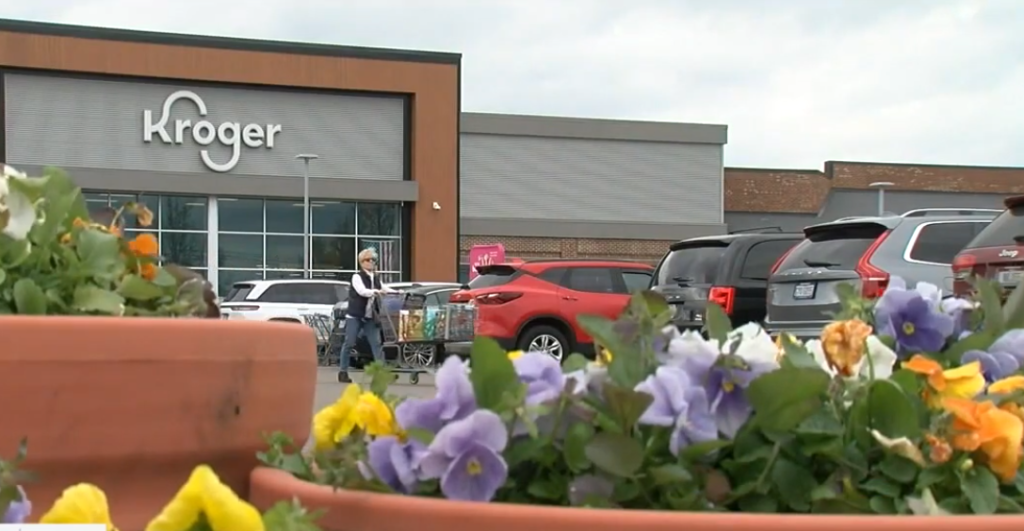
The way that prescription drugs are priced in the United States is quietly annoying. Most people think that the price that the cashier rings up is pretty much the right price. They have health insurance. Their name is on a savings club list. They think that the numbers were really run by someone, somewhere. A class action lawsuit against The Kroger Company says that trust may not have been well placed.
Kroger was accused of overcharging insured customers for generic prescription drugs by giving false information about what are called “usual and customary” prices, which are the normal prices a pharmacy charges most people. Plaintiffs in the case said that Kroger didn’t report those numbers correctly because they didn’t take into account the lower prices that members of its Savings Club were paying. It was said that insured people paid more than they should have because of it. Kroger has said that it has done nothing wrong, and no court has found the company guilty. However, a $17 million settlement was reached and agreed upon. This money needs to be spent somewhere.
People who filled at least one prescription at any Kroger-owned or -operated pharmacy between December 9, 2018, and August 23, 2026 and paid for it in full or in part with insurance are part of the settlement class. That window is big. Millions of people shop at pharmacies across the country that are connected to Kroger. For many of them, the generic drug counter is just another part of a normal Tuesday: they stop by to get milk, drop off their prescription, and grab a rotisserie chicken on their way out. No one looks closely at that kind of deal after the fact.
That’s probably why a lot of people are only now learning about this settlement through a thread on Reddit. This week, a number of users said that settlement notices had quietly shown up in their email inboxes and even more quietly in their spam folders. There is a claim ID number in the emails, which is necessary to file. It’s possible that you didn’t get the notice because you filled your prescriptions at Kroger during the eligible period. Check your spam folder before you dismiss it, though.
When you file a claim, you have to say how much you spent on qualifying prescriptions during the covered period, using either exact numbers or good guesses. When that amount reaches $8,000 or more, you’ll need to show proof. Most people won’t have to show extra proof for amounts below that amount unless administrators tell them to. If you get paid, you can get a paper check, use Zelle, PayPal, Venmo, or direct deposit. At least the logistics are pretty easy to understand.
It’s harder to say how much each person will actually get. After attorney fees and administrative costs are taken out, the settlement fund will be split evenly among the people who were approved as claimants. Your share is based on how much you paid compared to the total amount of valid claims. This is called “pro rata,” and it’s a fair way to figure it out in theory but hard to do in practice until all the numbers are in. There is a good chance that each payout will be small. But the amounts might mean more to people who have been taking care of long-term illnesses and regularly filling prescriptions at Kroger’s for years.
December 21, 2026, is the last day to file. People who don’t want to be a part of the settlement at all have to do so by October 22, 2026. If your claim is accepted, you won’t get paid right away because the settlement still needs to be approved by the court, and any appeals could make the process take even longer. Once everything clears, payments should be sent out 120 days after the start date.
Still, it’s not clear how many people will file claims or how big the settlement class really is. If you were a member of the Savings Club and got your prescriptions filled at Kroger through your insurance during those years, it might be worth your time to find out.
