

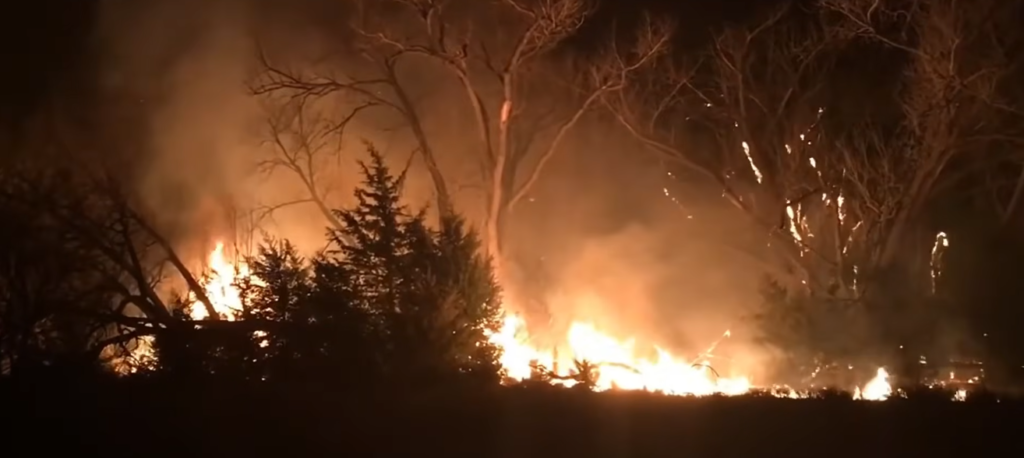
By Saturday nite, the hills above the flatlands of Nevada were already lit up. By Sunday, the Hawk Fire had burned through more than 15,000 acres in the foothills of the Sierra Nevada, and it still couldn’t be checked. Not at all. There is a number in every briefing, press release, and worried text message from someone in Washoe County who hasn’t slept: 0%.
The fire began on Saturday and moved quickly, helped by strong winds that sometimes made the work of ground crews seem pointless. About 42,000 people living near Reno were told to leave their homes. 45,000 more people were told to get ready to go. Nearly 90,000 people had to change their plans at the last minute, loading their cars in the dark, calling family, and trying to figure out what was important enough to grab.
Six people were hurt, three of them were first responders and three were regular people. That fact gets lost in the numbers for the acres, but it shouldn’t. These people either went toward the fire or couldn’t get far enough away from it.
The fire is being fought by about 800 firefighters from local, state, and federal agencies. From the outside, it looks like everyone involved knows this isn’t going to be an easy deployment. A number of buildings have already caught fire. The exact number keeps changing as crews get better access, which is hard because they don’t know what they’ve lost yet.
Nevada Task Force 1 was sent to Washoe County to help with search and recovery operations after the state of Nevada declared it necessary on Sunday nite. This is one of 28 federally recognized Urban Search and Rescue teams in the country. It is run by the Clark County Fire Department. They’re not called to put out small fires. They sent doctors, structural engineers, and search dogs—two trained to find live people and four trained to find dead bodies. The dogs may be the most sobering part of the whole response picture.
The team planned to start looking for the person on Monday morning and keep looking all week. That timeline shows how seriously the government is taking the chance of harm that hasn’t been fully considered yet.
The fire’s cause is still not clear. Wind is clearly the cause, but the source is being looked into. It has been dry in the foothills of the Sierra Nevada, and it doesn’t take much. After a spark, a gust, and some bad luck, the thing gains speed that no one else can match.
There have been wildfires near Reno before, and they will happen again. Fatalism is not what that is; it’s geography. The area is in a tough spot because it is between a dry desert and mountains. The wind can change directions at any time, and fires can jump ridgelines before crews can reposition. Still, seeing a fire spread to 15,000 acres in just 48 hours without being contained is a reminder that having experience doesn’t mean you have control.
For the people who left their homes on Sunday with as many papers and other things as they could carry, it’s hard not to think about what that drive was like. Seeing the sky in the rearview mirror and not being sure if there is a house behind them. This kind of uncertainty is something that people in the West are well used to.
