

There’s something slightly unsettling about seeing a beloved childhood picture turned into something scary. The Cat in the Hat, the tall, striped-hatted Dr. Seuss character that many American kids grew up reading, has become the face of a social media trend that is getting official warnings from police, school administrators, and parents all over the country. It began with videos. Then images made by AI came along. Then there were names—of students, schools, or neighborhoods—along with language that made it sound like the character was “coming for” them.
The posts have mostly been shared on TikTok and Snapchat, but officials say it was easy for the content to move between platforms. Most of it looks like it was made by AI: creepy footage of the famous character lurking outside of homes or schools at nite, captured in the grainy style of a security camera feed. Many of the people who make and share this content might not know how far it goes or how it ends up in the hands of a 12-year-old girl who sees her school’s name embedded in it.
The specificity of some posts has made this trend harder to dismiss than a normal hoax that goes viral. A lot of people in Tennessee, Arkansas, Kentucky, and Colorado spoke out after posts started naming local schools or students. After posts started targeting students in Tennessee, the Tennessee Office of Homeland Security’s Threat Assessment Center said it was actively tracking the trend. This is a big step that shows how seriously some agencies are taking things that other agencies might just brush off as internet noise.
That scene from the movie came true in Grand Junction, Colorado. A post said that someone dressed as the Cat in the Hat would show up at West Middle School and Grand Junction High School, so police there were there more. The police tracked it down and found a 14-year-old student at Grand Junction High School. He was detained on suspicion of bothering and making fun of school staff before being let go with his parents. It’s a reminder that some of these posts aren’t made by faceless bad guys, but by teenagers who aren’t thinking clearly about what they’re doing.
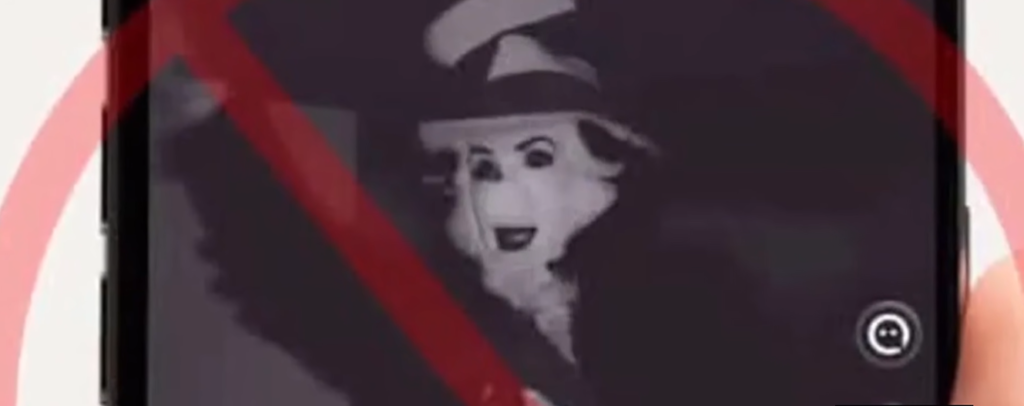
Law enforcement has been careful to note that most of the posts related to the Cat in the Hat trend don’t seem to be real threats. In a public statement, the police chief of Flemingsburg, Kentucky made this clear, saying that just because there was no credible threat did not mean the issue was being ignored. That’s a tricky balance to keep families calm while still being concerned enough about the content to look into it. Administrators and school resource officers in several states have been reading the posts and keeping an eye out for anything that gets worse.
At the same time, “not a credible threat” is not the same as “completely harmless.” It’s scary when someone posts something about a child’s school with a vague threat attached to it and it goes viral before a parent can stop it. No matter if the post itself is just someone’s idea of a joke, that fear should be taken seriously on its own.
Families trying to figure this out have been given consistent advice by the authorities: take a screenshot of anything that worries you, report it to school officials or the police, and resist the urge to share it with other people. It’s not as important as that last part might seem. Each share increases the number of people who see content that was probably meant to upset people in the first place. It’s also a good idea to talk to kids about the difference between a joke going viral and a real threat. The goal is not to scare them, but to give them a plan for what to do when something online makes them feel bad.
People who are aware of how AI tools have changed what people can do with a phone and twenty minutes will naturally notice this trend. It’s no longer necessary to be technically skilled to make a convincingly creepy video of a cartoon character. It doesn’t need much at all. Because they are easy to access, trends like this one last longer and reach more people than older internet hoaxes could.
The Cat in the Hat trend is likely to go away, as these things do. But the questions it brings up will not go away any time soon. These include questions about AI-made content, how schools and police deal with online threats, and what platforms are responsible for when this kind of content goes viral.
