

Broad Peak doesn’t make a fuss like some mountains do. It is in the Karakoram range of Pakistan and is 8,047 meters above sea level. It is the twelfth highest mountain in the world and is close enough to K2 that base camps share the same cold, glacial air. The name isn’t always the thing that gets people’s attention. But on July 30, 2026, Broad Peak became the most important mountain in the world, and it wasn’t for a record.
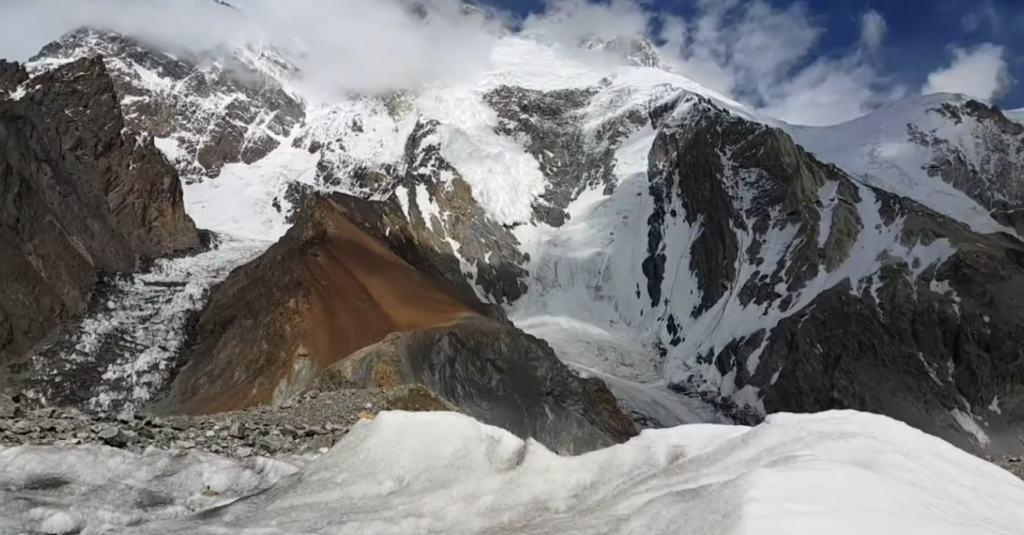
That morning, during what looks like a push to the top, an avalanche hit somewhere between Camp II and Camp III. Ten climbers were caught in it. Nirmal “Nims” Purja was in the group. He was probably the most famous high-altitude mountain climber of his generation. There was also a Pakistani guide named Sohail Sakhi, five Nepalese guides, and three clients from China, Oman, and the United States. By late Thursday night, none of them had talked to anyone else. The mountain’s silence said it all.
In the hours that followed, there was a lot of rushing to get things organized, delays caused by bad weather, and the pain of constantly checking GPS trackers for any sign of movement. Aerial drones were used. Helicopters from the Pakistan Army flew to the K2 base camp. Rescue teams on the ground started the long, hard work of climbing toward where the trackers had last been seen. Several K2 expedition teams stopped their own attempts to reach the top of the mountain to help. For those who needed it, it was a reminder that mountain climbers do work together when it matters.
The Alpine Club of Pakistan confirmed that two people had died. Their names are Nadhira Ahmed Abdullah Al Harthy from Oman and Pur Bahadur Gurung, who is better known as Yukta in the climbing world. Al Harthy was the first woman from Oman to reach the top of Everest. Yukta was a certified IFMGA mountain guide who was almost done with his own 14-peak challenge. He was also on the team that found what was thought to be Andrew Irvine’s boot from 100 years ago, who went missing on Everest with George Mallory in 1924. Both had a lot of experience. They were both careful. That’s important to say because after a tragedy like this, people naturally look for ways things could have been different. The answer isn’t always simple.
Nims Purja didn’t plan to climb Broad Peak on this trip at first. Gasherbrum II, another peak in the same range, was what he had said was his goal. He wrote on social media a few days before the avalanche that the Broad Peak climb “wasn’t planned,” but that chances don’t always come up loud and clear. The mountain told him it was safe to go up and back down. It’s tough to read that line without feeling the weight of it.
The search operation, which was led on the ground by Nepalese mountain climber Mingma Gyalje Sherpa and included the Pakistan Alpine Club, went on even though it was rough. On August 1, drone footage showed seven climbers on the mountain. However, their identities and health couldn’t be confirmed until ground teams reached them. Sohail Sakhi, a Pakistani adventurer, was still missing. The aerial search had already been put on hold once because of bad weather, which made things even more frustrating and uncertain.
Every time a tragedy like this happens, it sparks a larger conversation, and it did so again very quickly on social media. What are your thoughts on commercial pressure, crowded expeditions, and how fast modern mountaineering moves? You should ask these. However, it would be too simple to see this as just a lesson about ego or ambition. Since it was first climbed in 1957, Broad Peak has claimed the lives of many people who knew the mountain better than anyone else. Sometimes avalanches don’t give you any signs. That’s the terrible truth about this land.
As of August 1, the search was still going on. Families were ready to go. Mountain climbers from all over the world, in both base camps and cities, were waiting for news. It’s still not clear how many of the missing climbers will be found or how they will be found. It is clear that Broad Peak, like all the other big peaks, does not give in. That’s just how things are, and on July 30, they were harsh.
| Detail | Information |
|---|---|
| Mountain | Broad Peak |
| Elevation | 8,047m / 26,400 ft |
| Rank | World’s 12th highest mountain |
| Location | Karakoram Range, Gilgit-Baltistan, Pakistan |
| Avalanche Date | July 30, 2026 |
| Avalanche Location | Between Camp II and Camp III |
| Total Climbers Affected | 10 |
| Nationalities Involved | Nepali (6), Pakistani (1), American (1), Chinese (1), Omani (1) |
| Confirmed Deaths | Nadhira Ahmed Abdullah Al Harthy (Oman), Pur Bahadur Gurung “Yukta” (Nepal) |
| Key Missing Person | Nirmal “Nims” Purja (British-Nepali mountaineer) |
| Other Notable Missing | Sohail Sakhi (Pakistani guide), Kili Pemba Sherpa, Mallory Geis (American) |
| Rescue Operation Led By | Mingma Gyalje Sherpa + Pakistan Alpine Club + Pakistan Army |
| Search Methods Used | Drones, military helicopters, ground teams, GPS trackers |
| Weather Impact | Search suspended multiple times due to bad conditions |
| Climbers Spotted by Drone | 7 (identities unconfirmed as of August 1, 2026) |
| Nims Purja’s Record | Climbed all 14 peaks above 8,000m in 6 months and 6 days (2019) |
| Yukta’s Notable Achievement | Part of team that found Andrew Irvine’s boot on Everest |
| First Ascent of Broad Peak | 1957 — Austrian expedition |
| Deadliest Year on Record | 2013 (at least 6 fatalities) |
| Historical Fatality Rate | ~5% (21 deaths out of 404 successful ascents as of 2012) |
