

Men probably feel a certain kind of silence when a judge finally tells them what they’ve always known to be true: they never should have been there. That time for Anthony Hall came in 2023, more than 30 years after police in Baltimore took everything from him because the system wasn’t working right. He will now get $11 million from Baltimore City. In spite of this, the city’s leaders say that no amount of money can replace what was lost.
Hall was found guilty of killing Gerard Dorsey in 1991 by the Baltimore City Circuit Court. The conviction was based on police reports and the statements of two witnesses. These witnesses later admitted that they had been threatened and pressured into giving false statements. When Hall asked for help from the Mid-Atlantic Innocence Project, they found evidence that had been purposely hidden. When those main witnesses eventually changed their stories, the whole case fell apart with them.
Take a moment to think about that detail. These weren’t witnesses who forgot or got confused. Federal court documents and statements from the Baltimore City Law Department both say that they were forced to do it. Stephen Salsbury, the deputy solicitor for the Baltimore City Law Department, put it simply: “They were pulling back what they said, whether it was because police forced them or because they were sort of pushed to identify Mr. Hall in this case.” That’s an interesting admission from someone in city government.
In 2023, Hall was found not guilty by the same court that had found him guilty before. The state threw out the case. He was given nearly $2.4 million by a judge who said he had been wrongfully convicted. After that, Hall sued the Baltimore police and the officers involved. The lawsuit went forward, and last week, Baltimore City’s Board of Estimates unanimously agreed to a $11 million settlement. Six million dollars will be sent right away, and another five million dollars will be sent in 2027.
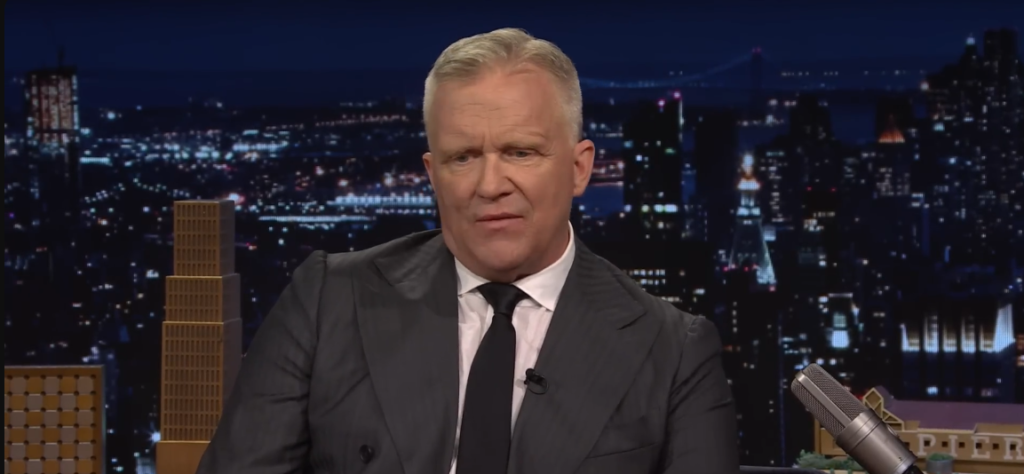
When Mayor Brandon Scott spoke to the press, he did something that no amount of money can buy: he said sorry. “I’m sorry he had to go thru that,” Scott said. “That is a long time for something that you did not do, and $11 million cannot make up for time lost with family.” You can’t help but notice how carefully that sentence was written—it admitted that the settlement wasn’t good enough but still stood by it. “$11 million is a huge amount of money, but it’s nothing compared to the 25 years that this man lost,” said Nick Cohen, president of the City Council.
How you frame it matters. The people in charge of Baltimore seem to be very aware that this settlement is both historic and a public account of how badly institutions failed. Hall went to prison for about twenty-five years for a crime that involved forcing someone to do something and hiding it. When he went into the system, he was young. When he came out, he was older, and years of family moments and normal life were gone.
Recently, Baltimore officials have been pointing to signs of improvement, like the fact that last month was the safest July on record for the city, with only seven murders compared to fifteen the year before. Mayor Scott agreed that the department still has work to do. What he said was, “We are not perfect.” “The police department isn’t where we want it to be, but it’s a hell of a lot better than it was when I was a young person.” It seems like the Hall settlement is being carefully placed within this bigger story of progress. It depends on who is listening to whether or not that framing feels earned.
A man will get a $11 million settlement almost 34 years after a system failed him completely. It’s still not clear if the officers involved will be held responsible in any way other than the financial cost their city is now having to bear. The money comes to Anthony Hall. The years don’t change.
