

Trust, marketing, and technology may collide in quite similar ways across industries, as the Primal Queen lawsuit has exposed in the burgeoning digital wellness sector. Formally known as Blank v. Primal Queen, LLC, the case claims that the business charged customers automatically without their knowledge by using dishonest internet practices. What was promoted as a representation of feminine empowerment and self-care has now turned into a highly contentious case of consumer fraud.
The complaint, which was filed in the Central District Court of California, provides a thorough account of deception that goes unnoticed behind a stylish wellness brand. Primal Queen is accused by plaintiffs lead by Allison Blank of using “dark patterns,” which are deceptive online tactics used to persuade consumers to take unintended activities, like enrolling in automatic renewals. These included cancellation loops, hidden terms, and pre-checked boxes that made it nearly hard to unsubscribe.
California’s Automatic Renewal Law, which mandates extremely clear disclosure of billing terms and simple cancellation processes, was created to thwart such strategies. However, the lawsuit claims that Primal Queen’s system was extremely ineffective, complicated, and incomprehensible. Long after trying to cancel, customers report finding reoccurring charges; some claim they were sent through a never-ending help desk cycle. These charges are glaringly incongruous for a company that promoted itself as an advocate for women’s balance and authority.
| Category | Information |
|---|---|
| Company Name | Primal Queen, LLC |
| Industry | Health and Nutrition Supplements |
| Headquarters | California, United States |
| Lawsuit Title | Blank v. Primal Queen, LLC |
| Filed Date | October 23, 2025 |
| Court | U.S. District Court for the Central District of California |
| Plaintiffs | Allison Blank and other consumers |
| Legal Representation | Hedin LLP and Gucovschi Law Firm |
| Key Allegations | Illegal automatic renewal scheme, deceptive “dark pattern” practices, lack of consumer consent |
| Regulatory Focus | California Automatic Renewal Law (ARL) |
| Related Case | Natalie Erickson v. Primal Queen, LLC (TCPA, January 2025) |
| Prior Legal Issues | TCPA violation claim regarding unsolicited messages |
| Better Business Bureau Rating | F (Multiple unresolved consumer complaints) |
| Company Description | Manufacturer of female health supplements based on organ-meat formulations marketed for hormonal balance and vitality |
| Public Response | No official statement issued as of late 2025 |
| Reference | Law.com |
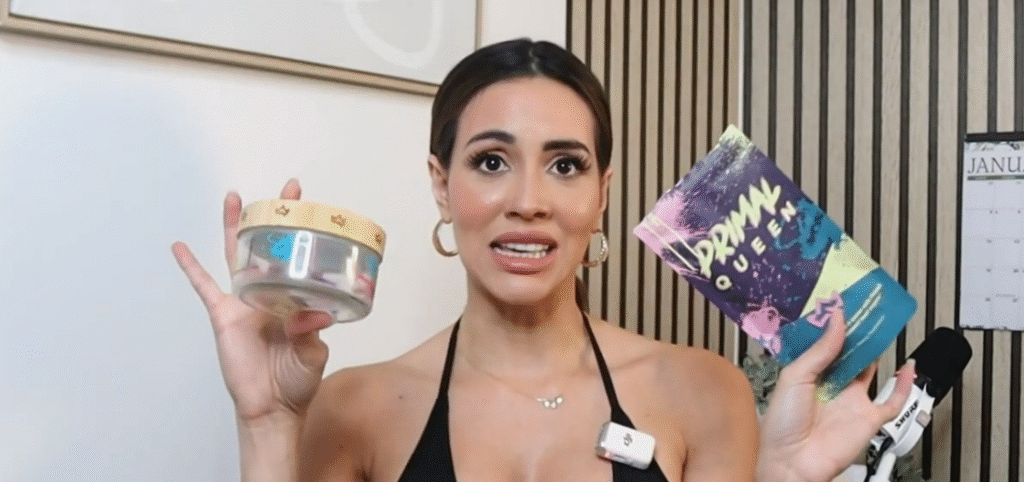
Selling “female-optimized” organ supplements that are supposed to boost mood, energy, and hormonal balance, Primal Queen positioned itself as a leader in wellness. The brand’s imagery, which was based on traditional healing and natural empowerment, struck a deep chord with women looking for all-encompassing solutions. However, clients now claim that the organization was operating a digital maze beneath its carefully constructed tone of authenticity. What was meant to bring back mental and physical equilibrium instead caused financial instability.
This case is being filed at a time when wellness marketing has grown to be a profitable industry. Lifestyle brands that combine science and spirituality are becoming more and more popular with consumers. But as this case demonstrates, trust is still brittle. Disappointment can be personal when a company’s pledge of empowerment is undermined by dubious ethics. According to the documents, a number of customers expressed feeling “violated and powerless,” highlighting that their annoyance extended well beyond the money they had lost and instead targeted their trust in the company.
The problems of Primal Queen are not unique. The business was sued again earlier in 2025 in Natalie Erickson v. Primal Queen, LLC for allegedly violating the Telephone Consumer Protection Act by sending unsolicited promotional messages. That lawsuit sparked early questions about Primal Queen’s communication methods, even if it was ultimately rejected. When taken as a whole, these lawsuits point to a pattern in which aggressive marketing routinely crosses consent lines.
Industry analysts are aware of the situation’s irony. The situation is “a paradox of modern wellness marketing,” according to public health scholar and pundit Dr. Jess Steier. She pointed out that a business founded on “primal purity” was now facing accusations of digital fraud. Her remarks have struck a chord with many people as they begin to doubt the degree of authenticity in a market full with well chosen pictures and claims.
Former Primal Queen fans are now posting conflicting experiences on social media. After using the supplement, some people report noticeably better moods and increased energy levels, while others report serious side effects or unforeseen expenses. Detailed instances of unsuccessful cancelation efforts and unresponsive support emails can be found in threads on wellness forums and Facebook groups. “It felt like a trap—like I was fighting to regain control over something I never agreed to in the first place,” a customer commented.
According to legal experts, the case may have significant ramifications. Should the plaintiffs win, it might establish a standard for how businesses create online subscription services. Attorneys contend that openness ought to be made a legal requirement rather than only a civility. Customers who rely on mobile platforms, where words are sometimes hidden beneath eye-catching images and marketing verbiage, may benefit most from this change.
This case’s gendered marketing is the emotional undertone. Commercial strategy and empowerment rhetoric are frequently combined in wellness goods targeted to women. Reclaiming one’s strength and vitality was a major theme in Primal Queen’s messaging; these are powerful but readily abused ideas. The betrayal is more severe when these messages are combined with deceptive billing or manipulation. Breaking the emotional bond between a brand and its community is more important than merely causing financial harm.
Primal Queen has not yet issued an official public statement in response to the growing attention. The business maintains that consumers were given sufficient notice about membership renewals and cancellation choices, according to court documents. But at a time when communication is instantaneous, quiet can be dangerous. A brand loses greater control over the story the longer it ignores controversy.
Due to outstanding concerns over invoicing and customer service, Primal Queen now has a “F” rating from the Better Business Bureau. Even if the corporation wins the lawsuit, analysts predict that there would be significant damage to its reputation. Rebuilding that confidence can be a particularly difficult task in the supplement market, where trust serves as currency.
This has a wider cultural significance. Transparency and trust are now crucial as customers shift to online shopping. The Primal Queen lawsuit has come to represent the increasing conflict between ethical duty and marketing ambition. The case highlights the need for wellness brands to change by balancing profit and ethics. Businesses that rely on emotional appeal now have to demonstrate that their values are sincere commitments rather than merely branding devices.
