

The Lexington Law case, which revealed how vulnerable families pursuing financial recovery were tricked into paying unlawful upfront fees, became a landmark case for consumer protection. Because the CFPB held one of the biggest credit repair companies in the country accountable, the case was incredibly successful in showcasing the strength of federal enforcement.
The lawsuit focused on dishonest practices that were remarkably similar to predatory lending strategies, such as charging customers before services were rendered. Companies are legally only allowed to collect fees six months after observable improvements are documented. However, Lexington Law and its affiliate CreditRepair.com charged early fees while using convincing telemarketing to promise quick credit repair.
For millions of households, the refund distribution, which started in December 2024, was especially helpful. Checks totaling thousands of dollars were unexpectedly sent to families who had previously made desperate payments. Recipients shared on Reddit that the experience was both unexpected and healing, particularly during the holiday season when money is frequently tight.
Table: Lexington Law – Company Profile and Case Details
| Category | Information |
|---|---|
| Company Name | Lexington Law |
| Industry | Credit Repair and Financial Services |
| Headquarters | Utah, United States |
| Founded | 1991 |
| Parent Company | PGX Holdings Inc. |
| Primary Service | Credit repair through dispute letters and client representation |
| Lawsuit Filed By | Consumer Financial Protection Bureau (CFPB) |
| Allegations | Illegal upfront fees, deceptive marketing, Telemarketing Sales Rule violations |
| Court Ruling | Violated Telemarketing Sales Rule and Consumer Financial Protection Act |
| Settlement Amount | $1.8 billion in refunds to more than 4 million consumers |
| Timeline | Services investigated 2016–2023; refunds began December 2024 |
| Current Status | Many operations shuttered, company filed for Chapter 11 bankruptcy |
| Reference Link | Consumer Financial Protection Bureau |
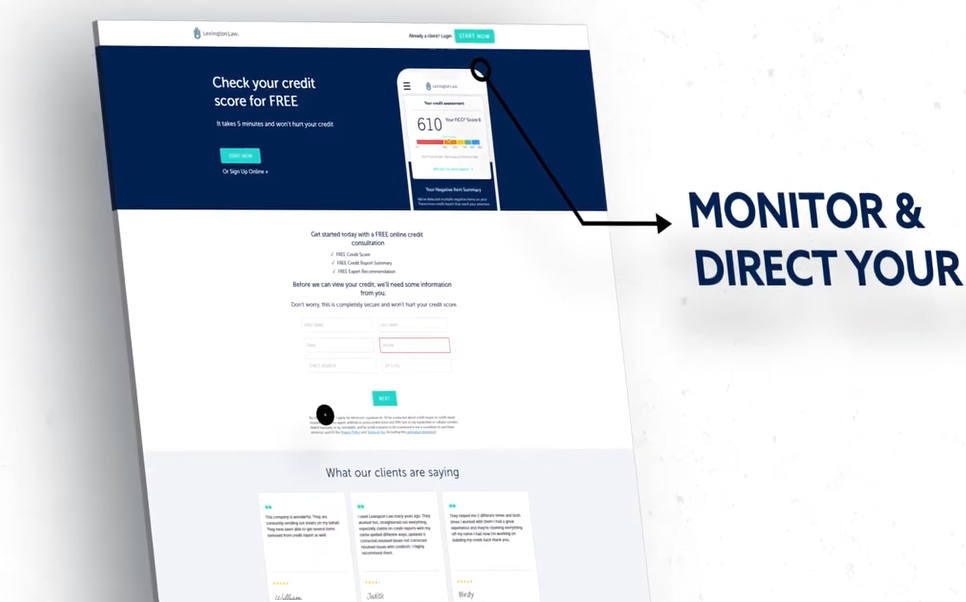
There was widespread corporate fallout. In response to the ruling, Lexington Law and PGX Holdings, its parent company, declared bankruptcy and shut down numerous operations. The demise was comparable to well-publicized failures of overhyped startups that wowed investors and customers before collapsing when questioned. Its demise mirrored how overpromising companies like FTX or Theranos destroyed trust, highlighting the need for financial services to be incredibly transparent and compliant.
There is no denying the wider cultural ramifications. Lexington Law was a well-known brand in the credit repair industry for many years, with advertisements on radio, television, and the internet. Customers resorted to it as a last resort, frequently experiencing financial difficulties following a divorce, job loss, or medical debt. Many received mounting expenses and hollow promises in place of relief, which made their situation worse until regulators stepped in.
The trend of regulators increasing enforcement in sectors that target vulnerable consumers is also reflected in this case. A move toward greater accountability is indicated by the Lexington Law lawsuit, which is similar to the CFPB’s previous actions against payday lenders. The current challenge for early-stage financial services firms is to create transparent, highly efficient models that adhere to all aspects of federal law.
This scandal’s emotional component is especially strong. Victims described lost chances, monetary losses, and anxiety brought on by thinking their credit was being fixed when it wasn’t. However, the refunds provided a kind of redemption even though they couldn’t undo years of hardship. Each check served as a concrete step toward regaining stability as people related stories of using the money to catch up on utilities, pay past-due rent, or pay for auto repairs.
Credit repair services might need to completely reinvent themselves, according to industry experts. In order to give customers a safer route forward, new models might place an emphasis on subscription-free systems where fees are only assessed following measurable outcomes. By utilizing technology, businesses can create highly adaptable tools—apps that track disputes, monitor progress, and guarantee compliance—building an ecosystem that is transparent and easily accessible.
The lawsuit has had a significant impact on society. During a period of skepticism, it helped to restore some trust in government oversight. The frequently criticized CFPB won a significant and symbolic victory, demonstrating that regular consumers can overcome powerful corporations. The enforcement served as a reminder that financial justice is not only a goal but also a reality, and that when regulators act with conviction, this principle is incredibly resilient.
