

Daneidy Barrera Rojas had no intention of becoming well-known throughout Colombia. She was just a young Bogotá woman in 2016 when she recorded herself shouting “Eee, Epa Colombia!” into her phone camera while supporting the national soccer team at the Copa América. No one could have predicted how popular that clip would be, and the moniker stuck. In a matter of years, Epa Colombia was more than just a celebrity on the internet; she was creating a real company that would eventually make her one of the most well-known businesswomen in the nation’s beauty sector.
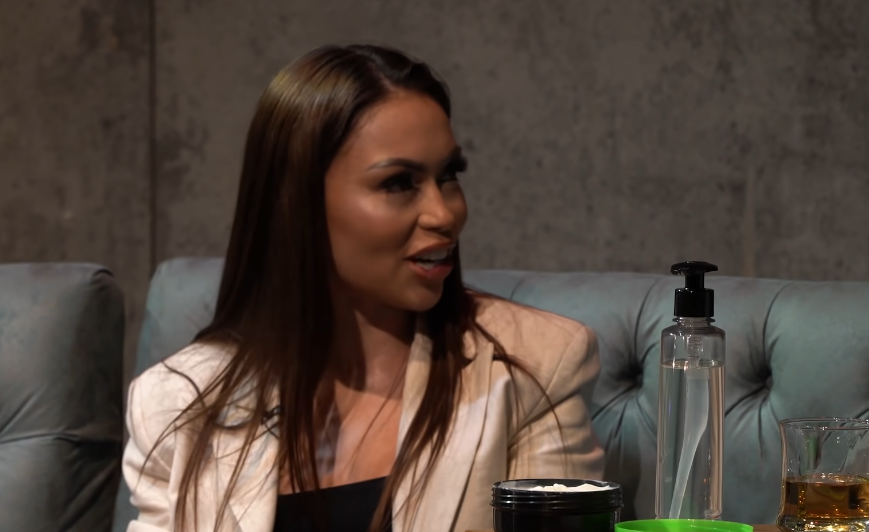
An unexpected encounter led to the launch of her keratin brand. Something clicked when she met a businessman while traveling to Russia for the 2018 World Cup and learned about keratin treatments. After bringing the concept home and turning it into a business, she was regarded as one of the most powerful figures in Colombia’s beauty industry within a few years. It’s the kind of origin story that sounds almost too tidy, but it’s there, recorded in dozens of interviews she conducted over the years.
However, in Colombia, celebrity—especially online fame—seems to have its own weight. During a wave of demonstrations against then-President Iván Duque in November 2019, Epa Colombia recorded herself smashing windows, card readers, and turnstiles at a TransMilenio station in Bogotá with a hammer. She uploaded it on her own. Her choice to record and share an act that most people would try to conceal speaks to the impulsivity that seems to permeate her public persona. Both the video and its legal ramifications quickly gained popularity.
Years of court cases, appeals, and changing sentences ensued. After prosecutors added a charge of incitement related to terrorism-related offenses, the initial sentence of three and a half years was increased to five years and three months. Many observers, including critics, felt that the charge was excessive for causing property damage during a protest. In January 2025, the Supreme Court upheld it, ordered her arrest, and rejected her house arrest. It seems like a detail a screenwriter would make up if it hadn’t happened, but she was allegedly arrested while working at one of her own salons.
Her response, which was soon captured on camera, was more wounded than defiant. She described the jobs she had created, the community service she had done, and the fines she had already paid. It doesn’t matter if the courts were persuaded by that argument; it undoubtedly affected her fan base, many of whom thought the punishment was excessive for the offense, particularly for someone with no prior criminal history.
She has reportedly been moved between facilities in more recent times, most recently to a maximum-security prison due to what have been described as persistent disciplinary issues. There are still few details available, and it’s difficult to distinguish between tabloid noise and accurate information. Although details are unclear, Colombian media outlets have also reported that she had medical procedures while incarcerated.
Observing this unfold from a distance, it’s remarkable how little her public interest appears to have diminished. Despite being prohibited from using social media as part of her sentence, she is still one of the most popular names in Colombia. That says something about celebrity, how viewers interpret contradiction, and how the nation is still figuring out how it feels about the 2019 protests. Almost unintentionally, Epa Colombia became a symbol greater than her own narrative.
