

There’s something unsettling about thinking about being on the highway and seeing your car stop responding. There was no slow fade or mechanical groan to let you know the power was off. That’s what Ford is trying to avoid with two recalls that started in late August 2026 and affect almost 160,000 cars.
The bigger deal is for 148,663 Ford Mustangs from the model years 2024 to 2026. According to the National Highway Traffic Safety Administration, the cause is a metal eyelet, which is a small ground connector in the wiring harness for the engine compartment. This eyelet can break when the vehicle is running and vibrating normally. When adhesive-lined heat-shrink tubing is put on the wiring during production, that’s when the problem starts. It happens that the glue gets on the metal terminal and hardens before the eyelet is bolted in place. The eyelet then bends a little around the hardened glue instead of sitting flat on the engine surface. This makes a stress point that can break over time.
It’s the kind of mistake that doesn’t seem important until you follow it all the way to the end. If that eyelet breaks, the ground connection is lost, which could mean that you can’t speed up or keep up your speed. But that’s not the end of the effects. Headlights, the system that cleans the windshield, the air conditioning, and the fan that cools the engine can all stop working at the same time. Losing your headlights at nite on a country road or your ability to clean your windshield while going fast on the highway comes with risks that have nothing to do with the engine. The NHTSA notice doesn’t change the meaning: these problems make it more likely that a crash will happen.
As of the middle of August, Ford knew of eight warranty claims related to the defect. Four of those claims came in within three months of the vehicle going into service. Ford is clear that there have been no accidents or injuries, but it’s still important to keep an eye on how the problem is progressing. The defect is thought to be present in about 1% of the recalled vehicles, which means that about 1,500 vehicles are actually at risk. That’s a big number when the failure mode is fast, sudden power loss.
To fix it, the broken terminals need to be swapped out for ones that are stronger, fit better, and are designed to sit correctly without the adhesive getting in the way. The dealers were told at the end of August, and the owners were told between August 31 and September 4. Unfortunately, there is a catch: the full repair solution won’t be ready until March 2027, once enough of the redesigned parts have been made. That’s about six months of owners being aware of a possible problem and waiting for a long-term fix.
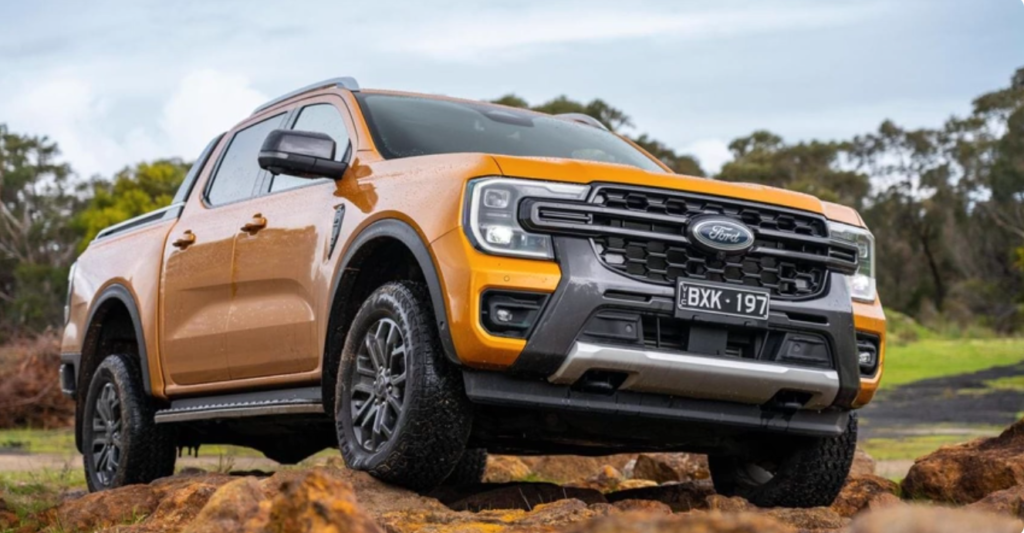
The second recall affects 10,001 vehicles from the 2026 model year that have Ford’s 2.3-liter EcoBoost engine. It is smaller in size but may be more serious in terms of the mechanics. These vehicles are the Bronco, Bronco Sport, Explorer, Ranger, and Mustang. The problem here is that the piston dome could break because of what Ford calls a crater crack forming where a nickel-resistant insert meets the aluminum piston body. A check engine light, an engine misfire, or an odd noise from the engine are all signs. Ford is going to check the cars that are affected and replace the whole engine long block if cracks are found.
When put together, these two recalls show how a company dealt with quality control issues across a large product line. For decades, Ford’s Mustang has been one of its most recognizable brand names. It’s the kind of car that people get attached to, and a recall related to sudden power loss has more to do with Ford’s reputation than just fixing a problem. It’s still not clear how many owners will feel that weight or if the March 2027 parts date will still be valid. For now, the advice is simple: look at your VIN, call your dealer, and pay attention if a warning light comes on before the repair is ready.
