

Visitors to Los Mochis speak almost apologetically about a certain stillness, as though the town didn’t deserve the attention it received on January 8, 2016. It’s a mid-sized city in Sinaloa with dust-colored streets and low rooftops—the kind of place no one anticipates being featured in a history book. However, Joaquín “El Chapo” Guzmán’s decades-long run finally caught up with him there, as he fled through a tunnel with a stolen car waiting on the other side while in a rented house in the middle of a firefight.
He had been captured before. Not that it was his second. That fact alone reveals something about the reality of Mexico’s drug war, which is a grinding, repetitive cycle of arrests, jail breaks, and re-arrests that, for some reason, never seemed to end. Guzmán was initially apprehended in Guatemala in 1993 on suspicion of trafficking and murder. He was supposed to serve time. He allegedly bribed guards to get out of a maximum-security prison in 2001; this incident still seems almost too easy to be true.
After that, he operated the Sinaloa Cartel covertly for thirteen years, becoming both the DEA’s top target and a Forbes-listed billionaire. This part is truly bizarre to sit with. A fugitive showing up on a business magazine’s rich list seems almost ridiculous, but Guzmán’s public persona was shaped by this paradox. He wasn’t taking refuge in caverns. Even his pursuers were impressed by the efficiency with which he was transporting cocaine, heroin, and methamphetamine across international borders.
It appeared to be the end when they were captured in Mazatlán in 2014 at a small resort hotel. It wasn’t. He made another escape in July 2015, this time via a mile-long tunnel that was excavated right into his cell and included a motorcycle on rails and ventilation. It’s difficult to avoid being grudgingly amazed at the logistics. That was planned for months, if not longer, and no one saw it coming.
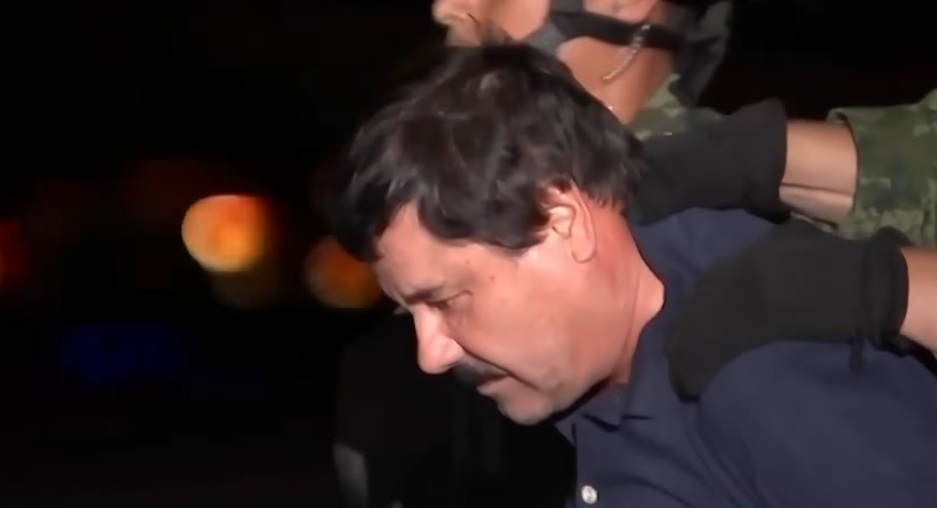
There was therefore cause for suspicion when Mexican marines raided that Los Mochis home six months later. Would this capture hold up? Operation Black Swan, as it was subsequently named, was not a quiet operation. Guzmán himself escaped through another tunnel before being apprehended on a stolen car close to Juan José Ríos, while five cartel gunmen were killed and one marine was injured. According to witnesses, he attempted to buy off the officers who apprehended him with money and jobs. He allegedly told them, “you are all going to die,” after that failed. It didn’t occur. We might never know for sure if that was bravado or sincere confidence in a rescue effort.
In contrast, what came next was nearly unimpressive: a year of legal wrangling followed by extradition to the US in January 2017. The ensuing trial, which took place in late 2018 and early 2019, revealed information about the cartel’s activities that even seasoned investigators found shocking. He was given a life sentence plus thirty years in prison in July 2019 and is currently incarcerated at the federal supermax facility in Colorado called ADX Florence. There are no noteworthy windows. There are no tunnels to dig.
It’s important to consider why, almost ten years later, this case is still being investigated. The story of a barely literate farm boy from a poor mountain village creating an empire valued at billions of dollars is part of the reason. It’s partly what his capture failed to resolve. The Sinaloa Cartel did not fall apart. Violence persisted, leadership changed, and the flow of drugs into the US hardly stopped. Analysts believe that Guzmán’s capture was more of a chapter break than an end, with less well-known but equally active names taking his place.
