

The way South African football negotiations typically unfold has an uncanny familiarity. Optimism grows as a major announcement approaches, and then, almost predictably, a salary dispute emerges and threatens to bring everything to a head. Pitso Mosimane’s return to Bafana Bafana has followed exactly that pattern, and it has been both illuminating and frustrating to watch.
The initial offer from SAFA to Mosimane was approximately R5 million annually, or R416,000 per month. It was rejected almost immediately by his camp. It’s easy to see why. Hugo Broos, a former Bafana coach, reportedly made between R1.5 and R1.8 million a month. Carlos Alberto Parreira, a Brazilian coach, reportedly earned a comparable amount each month while he was employed. In light of this, the initial SAFA offer was not only inadequate but also, according to Mosimane’s representatives, disrespectful to a coach of his caliber.
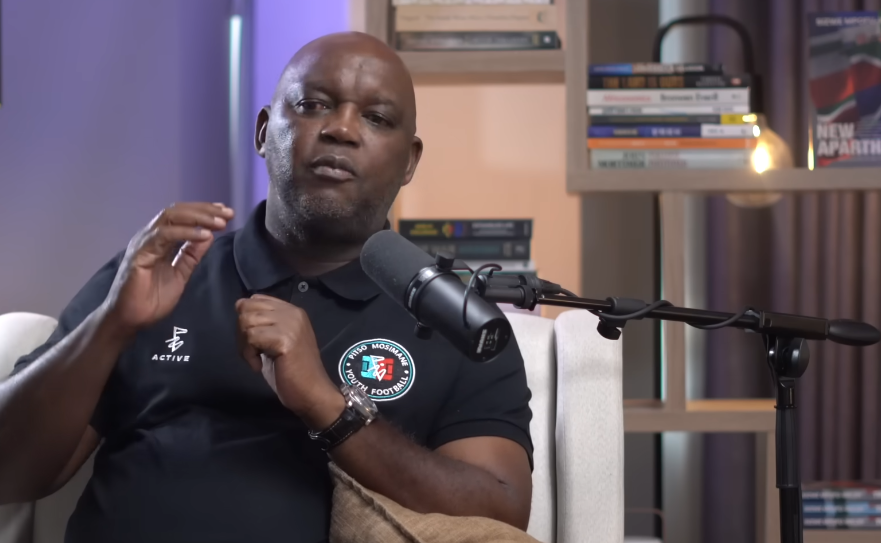
The impasse seems to have been broken when SAFA eventually returned with an updated estimate of about R10 million a year. After what seemed to be a long and stressful day of negotiations, the talks came to an end last Wednesday. Never one to remain silent on a story like this, the EFF had already publicly intervened and declared the initial offer to be unacceptable. You don’t approach one of Africa’s most decorated coaches with a number that doesn’t reflect his track record, regardless of whether you agree with the EFF’s political stance.
It’s still unclear if Mosimane was completely satisfied with the final package or if his camp just acknowledged that time was of the essence. In five weeks, the 2027 AFCON qualifiers will start. On September 23, South Africa will play Guinea at home. On September 27, they will travel to Eritrea. There wasn’t much more room for negotiation.
The issue of Mosimane’s technical team was one aspect of these discussions that received insufficient attention. According to reports, he desired a single package deal for his three key lieutenants: football performance analyst Kyle Solomon, fitness coach Kabelo Rangoaga, and performance analysis coach Musi Matlaba. At first, SAFA had suggested managing their compensation independently. Mosimane retaliated. A head coach frequently has much more control over the compensation of his technical staff at the club level. These negotiations took a long time because of the differences in how a national federation operates.
Both Mosimane’s negotiating position and the public’s desire for scrutiny seem to have been underestimated by SAFA. It’s probably not a good idea to start with someone who gets rejected right away and is then scrutinized on social media for a week when you are bringing in the most prominent coaching appointment in South African football in years. Optics are important. Perception is important. Furthermore, the way a deal is handled frequently speaks louder than the deal itself in a nation where football enthusiasm is strong and patience with administrators is scarce.
The opportunity is probably more important to Mosimane than the salary amount. He has spent years establishing a reputation on the continent that few South African coaches can match, coached at Al Ahly, and won back-to-back CAF Champions League titles. Leading Bafana from home has its own emotional and reputational costs. Nevertheless, he has every right to demand compensation that takes all of that into account. It is rare for a coach who accepts underpayment to perform with the same freedom as one who feels appropriately compensated.
A preliminary squad for the September qualifiers is probably going to be released shortly after the announcement, which is anticipated this week. South Africa will have their coach if all goes according to plan. It is unclear if Mosimane and the SAFA administration will continue to have a tense relationship as a result of the salary dispute.
