

Stages are filled with musicians, but there are also musicians who fill the music itself. This is what Tommy Detamore was like. When word of his death spread on August 6th, it was confirmed by his wife Sandra on Facebook. The country music community didn’t react with the fake sadness that often floods social media, but with something more personal. Give more details. More real.
The fifth of August was the day Detamore died. He was 70 years old. The reason he died was not made public.
The words that Sandra Detamore spoke were quiet and true. She said that he was “a respected musician, producer, team player, teacher, and creative force in Country Music.”” After a short pause, she said, “Not to mention the love of my life.” Just that one line told you more about Tommy Detamore than any bio in the business could.
He had been playing the pedal steel guitar since the 1970s. Most people who hear it would not be able to name it, even if they were moved by its sound. That’s the pedal steel thing. People who hear it feel it like an ache that just shows up in a song without asking for credit. That was clear to Detamore. It looked like he liked it that way.
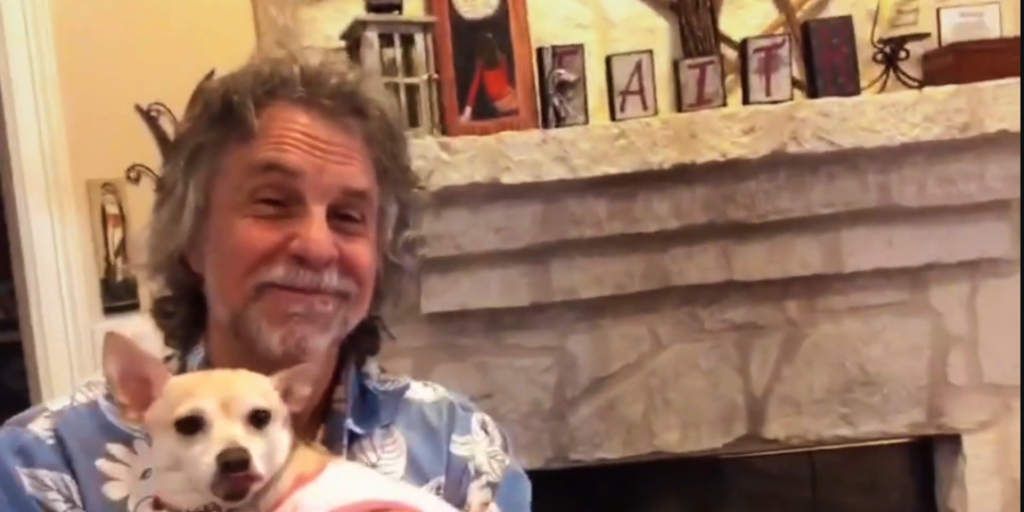
He opened Cherry Ridge Studio in Floresville, Texas, in 1991. Floresville is a small city southeast of San Antonio where the air is thick in the summer and people don’t try to live faster than they really are. Over the next few decades, he worked with artists like Jim Lauderdale and the late Ray Price from that studio. These were musicians who knew the difference between a musician who was just doing their job and one who was really into the music with them. The Texas singer-songwriter Gary P. Nunn called their sessions “the highlight of my career.” He remembered how Detamore would patiently and carefully overdub steel tracks over and over again until something clicked that no one else could have planned.
You should take a moment to look at that picture. While Detamore played his steel guitar at the board, the studio was late. He ran the track one more time, not because someone told him to, but because he still hadn’t found what he was hearing in his head. The number of streams doesn’t show that kind of dedication.
Detamore was “my great friend and mentor,” singer Sunny Sweeney wrote. She had talked to him three days before he died and they were planning a new project together. What a quietly heartbreaking thing that is. A talk that seemed like it was going to start ended up being the end. When she said it, “smooth sailing up to heaven,” it didn’t sound like a cliché.
Detamore was given the Hero of Western Swing award at a Cowtown Society of Western Music event in Wichita Falls, Texas, just a few weeks before he died. He wasn’t able to make it in person. Someone else accepted the award for him. Even tho it’s not clear if his health was already getting worse at that point, the timing seems important now.
“A one-of-a-kind musician, producer, and person,” said the band Tris Munsick and the Innocents.” It was all Jim Lauderdale wrote: “He will be missed terribly.” This isn’t the kind of language people use to show grief. Those are the words that are used when someone has really died.
Sandra ended her tribute with a prayer that felt very close to her heart: “Thank you, Lord Jesus, for letting me love and be loved by Tommy.” 41 years of marriage. A son named Thomas. An important place in Texas music history that most people will never learn about.
Tom Detamore didn’t try to become famous. He made something more lasting than that: a sound, a legacy, and a long line of recordings where, if you listen carefully, you can still hear him working, still not happy, still wanting one more take.
