

The Facebook privacy settlement hasn’t finished paying people nearly three years after the legal process began. On June 9, 2026, a second round of payments started to arrive in the bank accounts, PayPal balances, and prepaid debit cards of millions of users who had largely forgotten that this money was ever coming.
Even though the backstory is now fairly well known, the specifics still have some significance when you consider them. A political data company had collected Facebook user data to create voter profiles without users’ knowledge or consent, according to the 2018 Cambridge Analytica scandal. A series of lawsuits followed that revelation. Facebook’s parent company, Meta, agreed to a $725 million settlement in 2023 instead of going to trial despite denying any wrongdoing. It’s the kind of resolution where nobody is in handcuffs, which is probably how these things usually end, and everyone is only slightly unhappy.
September 2025 saw the first round of payments. From an estimated pool of 250 million eligible users—anyone with a Facebook account between May 24, 2007, and December 22, 2022—about 19 million claims were validated. After deducting attorneys’ fees and administrative expenses, the average payout was approximately $29.43, with individual payments ranging from about $4 to $38. Not exactly money that changes your life. However, actual money.
This is where things start to get interesting. Over 200,000 paper checks were not cashed. Approximately 3 million digital payments went unclaimed after expiring. After all was said and done, about $100 million remained undistributed. Sending that remaining pool back to the roughly 15.7 million individuals who had actually cashed or activated their first-round payment was authorized by a U.S. District Court in California. For those who are organized—or at the very least, pay attention—it’s a sort of loyalty bonus.
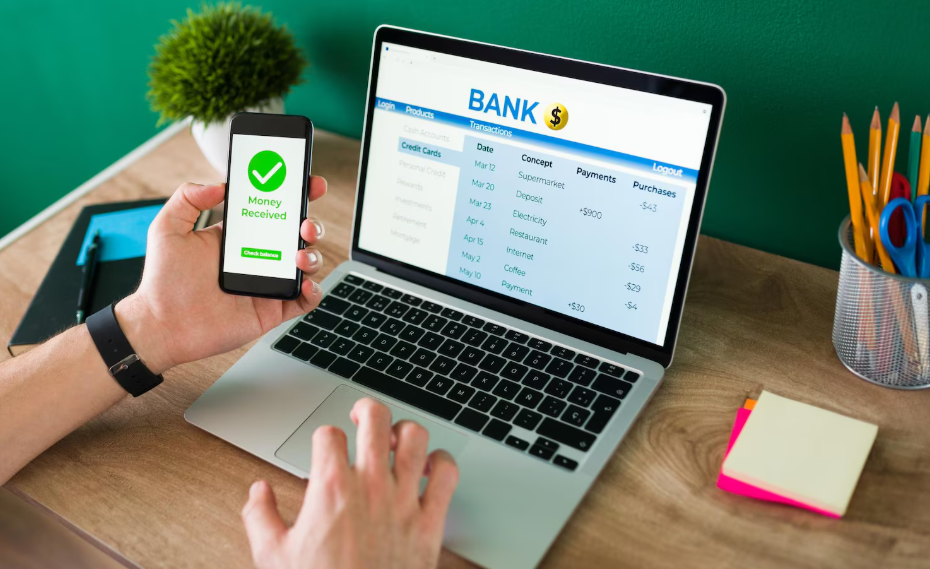
The payments in the second round are less. After deducting administrative expenses, approximately $95 million remains for distribution; each eligible claimant is expected to receive a payout between $4.67 and $7.32. The exact amount each person receives depends on something the court filings call “allocation points” — essentially, the number of months that person had an active Facebook account during the covered period. A person who signed up in 2021 earns fewer points than someone who has been using the platform for four years in a row. It’s a reasonable method, even if the math won’t add up to anything particularly dramatic for most recipients.
Payments are being distributed in batches over approximately four weeks, using whichever payment method the claimant originally chose — check, direct deposit, PayPal, Venmo, Zelle, or prepaid debit card. Three to four days prior to the arrival of their particular payment, eligible recipients are expected to receive an email notification. Checking spam folders is worthwhile. These items are prone to disappearing.
There’s a certain irony in the whole situation that’s hard to ignore. The settlement exists because Facebook allegedly shared user data without permission — and now the settlement administrator is reaching back out to those same users via email to tell them more money is coming. Maybe the circle of digital life.
For those who are unsure of their eligibility, only those who successfully redeemed their first-round payment and submitted a claim by the August 25, 2023 deadline are qualified. This second round won’t be available if the first check was left unopened or if the digital payment expired. The opportunity to take part has been closed for some time.
It’s still unclear how many people will be aware that these payments are coming in or how many will just notice a small deposit and go on without making the connection. Despite years of legal wrangling and small payouts, it is evident that the Facebook privacy settlement is finally, truly coming to an end.
