

The fees that don’t match the signs, the charges that suddenly appear, and the notices that feel more like threats than reminders are all things that almost everyone finds annoying about parking. The majority simply pay and move on. There weren’t enough drivers in Tennessee, and eventually that became someone else’s issue.
The California-based parking company Metropolis Technologies Inc., which runs lots in Nashville, Knoxville, and Memphis, reached a $8.75 million settlement with the Tennessee Attorney General’s Office in January 2026. The settlement came after a year-long investigation into claims that the business deceived customers by using ambiguous pricing, shoddy signage, and unexpected fees that were difficult for customers to predict or contest.
The inquiry did not appear out of thin air. After a surge of consumer complaints—more than 300 by the time the settlement was finalized—the AG’s office started investigating Metropolis in late 2023. People were complaining that they had been overcharged, that it was almost impossible to get refunds, and that the violation notices they received lacked sufficient context to explain what had gone wrong. There seemed to be friction everywhere, which is surprising for a company that promotes itself as a tech-forward, frictionless parking experience.
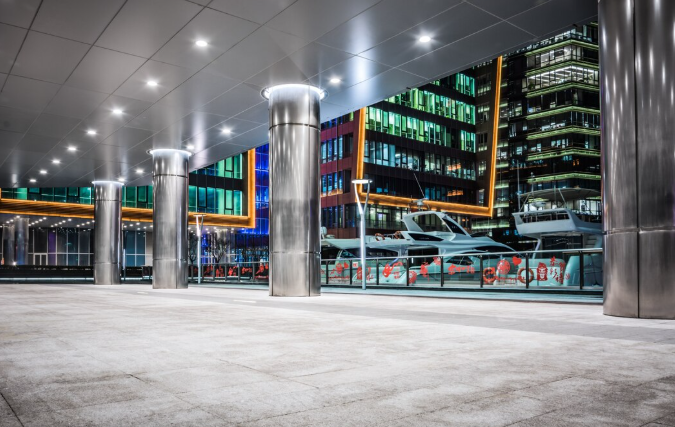
Metropolis manages parking at thousands of locations nationwide using mobile payments and license plate recognition technology. The booth, ticket stub, and attendant are all intended to be eliminated by the model. Theoretically, convenient. However, the Tennessee investigation revealed that some fundamental consumer protections also vanished in the absence of those antiquated checkpoints. A driver may be genuinely confused about what they agreed to due to a difficult-to-read sign or pricing terms buried in an app.
Under the terms of the settlement, drivers with Tennessee license plates who parked at Metropolis-operated lots in Nashville, Knoxville, or Memphis will receive $2.25 million in free parking credits from Metropolis. These credits can be redeemed at participating lots and are available in two $15 increments. Additionally, the business must automatically reimburse customers for incorrect charges, which was apparently not customary in the past.
In addition to the credits, the settlement requires Metropolis to improve customer communication through improved pricing transparency, clearer signage, and a new consumer-facing initiative called the Tennessee Parking Program. It is more difficult to predict whether these changes will be significantly different from the previous ones. Legal settlement requirements don’t always translate into actual behavioral change. The next round of complaints—or lack thereof—will serve as the evidence.
Notably, the agreement was approved by the Davidson County Chancery Court on January 9, 2026, three days prior to the public announcement. The speed at which the process proceeded indicates that both parties were driven to find a solution. It’s likely that Metropolis, which operates in cities well outside of Tennessee, didn’t want the investigation to grow.
The settlement includes a refund procedure for drivers who feel they were overcharged between July 1, 2021, and January 6, 2026. People who used the service years ago may soon receive a message in their inbox that initially appears unclear because Metropolis is notifying eligible customers via email. On local forums, a number of Nashville locals had already questioned the authenticity of the emails. Yes, they are.
In the end, this settlement highlights a problem that the parking industry and, to be honest, the larger tech-driven services sector have been reluctant to address. A transaction is not always fair just because it is automated. The obligation to communicate honestly does not go away if the human at the booth is removed. With $8.75 million in support, Tennessee made that case, and for the time being at least, it seems to have succeeded.
