

What Amelia Dimoldenberg has created is subtly amazing. It’s genuinely weird and constantly captivating, without being loud or ostentatious. The idea seems almost too easy to implement: put a famous person in a brightly lit, slightly sticky fast-food restaurant, act like it’s a date, ask them strangely intimate questions while maintaining a straight face, and let the discomfort take care of the rest. Nevertheless, after more than ten years, Amelia’s Chicken Shop Date has received over a billion YouTube views and earned her a place on Time magazine’s first list of the top 100 digital creators worldwide.
Like many good things, it began without a plan. At the Stowe Centre youth club in northwest London, a teenage Dimoldenberg was contributing a column to a local under-21s magazine. Grime music was popular among those in her immediate vicinity. She wanted to know. She began interviewing artists, initially friends of friends, and eventually came to the conclusion that framing the talks as dates might make them more engaging. The chicken shop was picked just because you wouldn’t typically take someone you wanted to impress there. It turned out that the whole point was that tension.
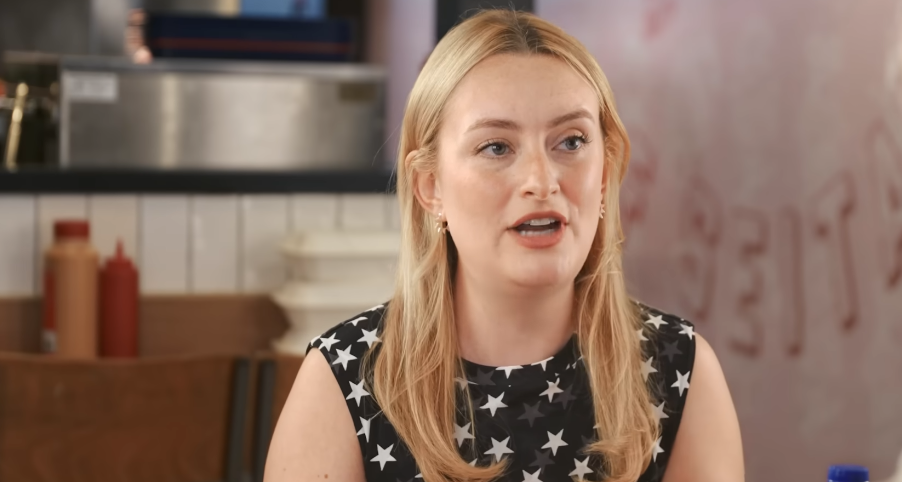
In March 2014, the first recorded episode was posted on YouTube. In just two weeks, it received slightly more than a thousand views and featured grime MC Ghetts. It wasn’t exactly a viral launch. After that, Dimoldenberg spent years personally persuading talent, managers, and publicists that a YouTube interview in a fried chicken restaurant was worthwhile for their client’s time. That was difficult to sell in 2014. The idea of a celebrity sitting under fluorescent lighting and eating chips on camera seemed more like a risk than an opportunity, and social media was not yet the promotional machine it has since grown into.
Watching those early episodes now gives me the impression that she always had knowledge that the industry did not. The format seems almost purposefully anti-glamorous, and it succeeds precisely because of that contrast. The production of each episode costs about $6,000. The duration of filming is between thirty and forty minutes. The final product, which is reduced to the funniest and most awkward conversations, rarely lasts longer than twelve minutes. It matters that Dimoldenberg is in charge of the editing herself. Both in the edit suite and in the restaurant, the character that viewers see—deadpan, slightly distant, raising an eyebrow at the perfect moment—is shaped.
The popularity of the show reflects a larger trend in media over the last ten years. Chicken Shop Date caught a wave that traditional broadcasters mostly missed, growing at the same rate as the creator economy. According to Dimoldenberg, she was batting away rejections at first. She’s batting away requests now. The publicists who used to turn down her calls now want their clients to be highlighted prior to a big release. The idea of this reversal is still somewhat gratifying.
The format’s refusal to become slick is what keeps it intriguing even now. The stores selling chicken are still well-lit. The inquiries remain strangely intimate. With the expression of someone perusing a shopping list, Dimoldenberg continues to make a scathing comment. The dynamic is essentially the same whether she is seated across from Zara Larsson in an equally unglamorous location or Paul McCartney in a vegan chicken shop: she has the power and the celebrity is a little out of balance. It’s not a coincidence.
Whether Chicken Shop Date has a ceiling is still up for debate. Her resume now includes 115 episodes and counting, a production company, brand partnerships, red carpet appearances at the Academy Awards, and a cameo in The Devil Wears Prada 2. It’s obvious that Dimoldenberg has progressed far beyond the show that brought her fame. However, the program itself continues to run. Celebrities continue to say “yes.” It’s working, whatever she’s doing in those chicken shops.
