

Such figures are not typically found on a hospital pay stub. According to reports, Dawid Kacprzyk, a young physician at the Southern Hospital in Warsaw, made 1.6 million złoty in 2025. This amount appeared in a routine asset declaration almost by accident. He was not even yet a specialist. This particular detail is what makes a story go viral, and it did.
What really got people talking was the math involved. Kacprzyk worked an average of 331 hours per month at the hospital, which equates to about eleven hours per day, including weekends and holidays, according to records that the outlet Zero.pl was able to obtain. That’s essentially the question that everyone started asking, since nobody really works that schedule without something giving way somewhere.
Kacprzyk was more than a physician. As a member of Prime Minister Donald Tusk’s Civic Coalition, he served on the Ursus district council in Warsaw, which made the story more difficult to resolve than a standard billing dispute. Soon after, there were rumors that he had also established a fast-track admissions procedure at the hospital’s emergency room, which allowed Civic Coalition politicians and their families to receive care more quickly than regular patients who were waiting in the same rooms.
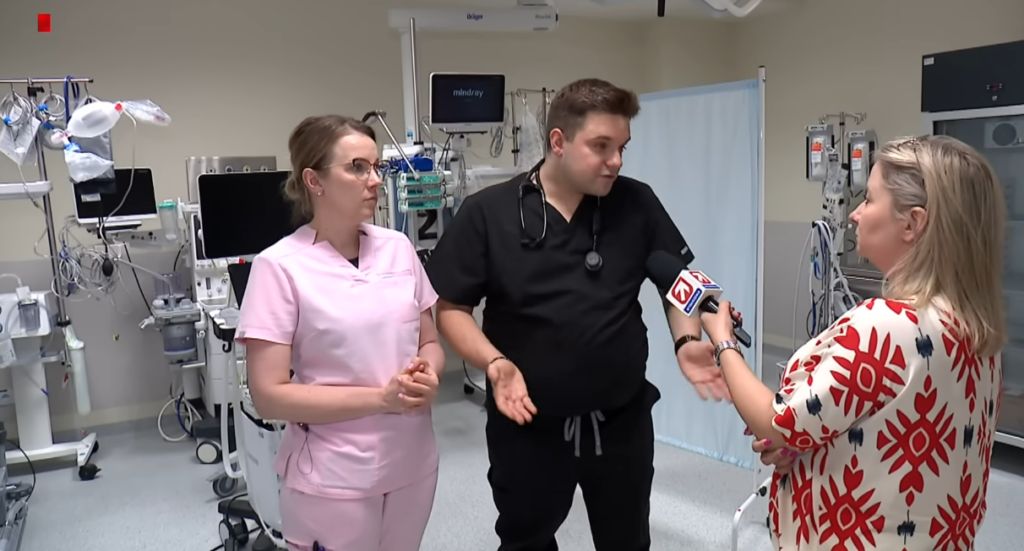
The way this happened is almost familiar. Kacprzyk gave up his council seat a few days after resigning from the party and losing his job at the hospital after more reports surfaced. Every action appeared to be damage control coming a bit too late to alter the headline. Since then, he has returned about half a million złoty to the hospital and corrected three dozen invoices, indicating either sincere regret or basic math regarding what was justifiable.
Both Poland’s medical establishment and prosecutors are now involved. The Supreme Medical Chamber initiated disciplinary proceedings after the Southern Hospital filed a fraud complaint regarding Kacprzyk’s alleged departure from a duty shift due to his schedule appearing to overlap with appearances on television and a Senate address. While that process is underway, Kacprzyk himself requested that his chamber membership rights be suspended. This request seems less like defiance and more like an attempt to get ahead of an uncontrollable outcome.
Tusk responded to more than one physician. He ordered a nationwide audit, referred to the larger payment system as “truly degenerate,” and pushed a bill that would allow a health ministry agency to directly oversee physician salaries. It’s a startling admission from a prime minister in office, and it’s difficult to ignore the political risk involved in stating so bluntly that the system encourages precisely this kind of behavior.
It’s difficult to ignore the irony that lies beneath it all. A few years ago, Kacprzyk was publicly warning that common Poles couldn’t afford basic groceries, making appearances at political gatherings that denounced powerful individuals from the previous administration for making money off of the suffering of others. Only he can determine whether that prior conviction was genuine or merely helpful at the time.
Whether Tusk’s audit concludes that this was an isolated instance or something more akin to standard procedure will likely determine what happens next rather than Kacprzyk. Preferential treatment in an emergency room is not only an ethical transgression but also a patient-safety issue, as Warsaw’s prosecutors have already cautioned. In the end, that distinction might be more significant than anything that happens to a single doctor’s career.
