

Watching a gadget you paid for just stop functioning—not because it broke or you dropped it, but rather because the manufacturer discreetly stopped providing it with what it needed to survive—causes a certain kind of frustration. That’s the frustration at the heart of a current class action lawsuit against Amazon, and it’s the kind of frustration that many people seem to recognize right away.
In April 2026, California resident Bill Merewhuader filed the lawsuit in Los Angeles County Superior Court. In 2018, he purchased two second-generation Fire TV Sticks from Best Buy, a purchase that millions of people made at the time. By simply plugging the tiny orange dongle into an HDMI port, he was able to access Netflix, Prime Video, and numerous other streaming services. It performed exactly as promised for a while. Gradually, though, it stopped. The gadgets slowed. It took longer for apps to load. Instead of being an exception, buffering became the norm. Merewhuader claims that by 2024, the sticks were essentially unusable, and he was forced to purchase newer models.
This was not an accident or a normal result of aging hardware, according to the lawsuit. The complaint claims that this was a planned result, what the filing refers to as “software tethering,” in which a product’s usefulness is solely dependent on continuous manufacturer support, and the manufacturer has complete control over when that support ends. First-generation Fire TV Stick updates were discontinued by Amazon in December 2022, and second-generation support was discontinued in March 2023. Physically, the hardware remained intact. The gadgets could still be connected to a TV. Simply put, they were unable to perform the tasks for which they were sold.
Key Information at a Glance
| Field | Details |
|---|---|
| Company Sued | Amazon.com Inc. & Amazon.com Services LLC |
| Lead Plaintiff | Bill Merewhuader, California resident |
| Lawsuit Filed | April 2026 — Superior Court of California, Los Angeles County |
| Case Name | Merewhuader v. Amazon.com Inc., et al. |
| Devices Involved | First-generation (2014) and second-generation (2016) Fire TV Sticks |
| Software Support Ended | 1st gen: December 2022 / 2nd gen: March 2023 |
| Plaintiff’s Purchase | Two 2nd-gen Fire TV Sticks from Best Buy in 2018 |
| Plaintiff’s Outcome | Devices became unusable; forced to buy new models in 2024 |
| Legal Claims | Deceptive marketing, breach of contract, California consumer protection laws |
| Relief Sought | Damages, restitution, injunctive relief, attorney fees |
| Plaintiff’s Attorneys | KalielGold PLLC & Tycko & Zavareei LLP |
| Regulatory Context | FTC raised concerns about software bricking in a November 2024 staff report |
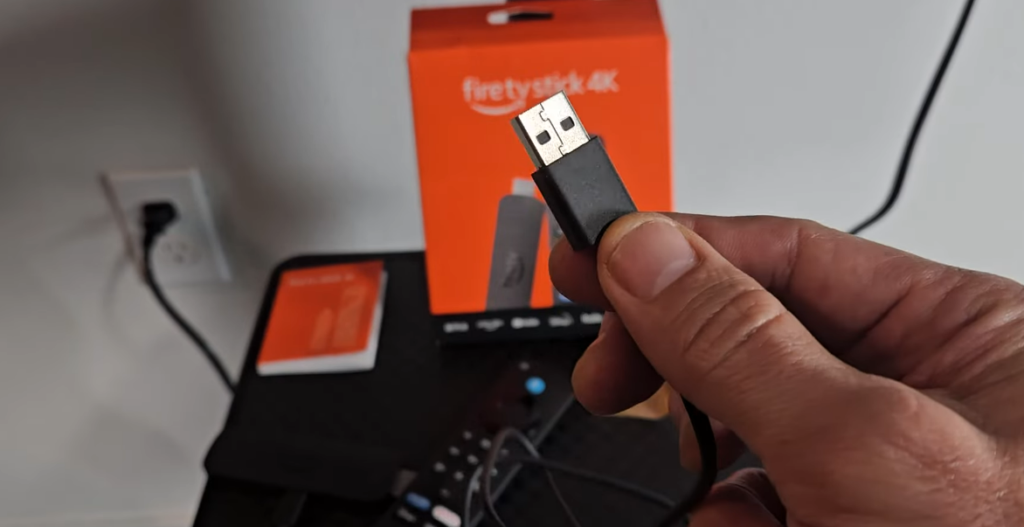
The marketing language Amazon used to sell these devices is what makes the lawsuit so specific. According to the complaint, Amazon advertised the sticks as providing “instant” access to hundreds of thousands of films and television series on popular platforms. In a product pitch, the word “instant” is very effective. It implies dependability. It implies that you will continue to have the same experience that you are purchasing today. According to the lawsuit, Amazon should have known that this promise had an expiration date that it was failing to disclose.
It’s difficult to ignore how commonplace this pattern seems in the larger tech sector. Amazon is by no means the only business navigating the tension that has been quietly growing for years between software dependency and hardware ownership. However, the Fire TV Stick is one of the most popular streaming devices in American homes, and Amazon is one of the bigger and more noticeable targets. In a staff report from November 2024, the FTC brought attention to the problem, pointing out that manufacturers may be engaging in deceptive practices if they advertise devices as having specific features but then neglect to provide the updates required to maintain those features. Despite its careful hedging, that regulatory language provided consumer attorneys with a useful point of reference.
At the time this story was filed, Amazon did not reply to requests for comment from the media. Companies rarely comment on ongoing litigation, so this silence is unremarkable at this point. However, it does leave the plaintiff’s version of events largely uncontested in the public record for the time being. It’s genuinely unclear what Amazon’s defense will entail. The business may claim that deprecating older hardware is a common industry practice or that all software support timelines were sufficiently disclosed somewhere in the terms of service. Both arguments have been applied in comparable situations in the past, with varying degrees of success.
Merewhuader aims to represent a potentially vast class. Since the first generation of Fire TV Sticks was introduced in 2014, Amazon has sold tens of millions of these devices. The damages calculation becomes significant if even a small percentage of those buyers suffered the same degradation and were forced to make replacement purchases without sufficient disclosure. Unspecified damages, restitution, injunctive relief, and an order compelling Amazon to reimburse impacted customers are all sought in the lawsuit; the language purposefully leaves the financial exposure open-ended at this point.
Beyond the legal details, there is something worthwhile to sit with. The Fire TV Stick was marketed as a means of obtaining entertainment. Because it was easy to use and reasonably priced, people bought it, set it up, arranged their streaming apps around it, and perhaps even gave one as a gift to an elderly parent. The notion that the company might later change the device’s essential features without providing notice or payment goes against what consumers anticipate when they pay for a tangible item. The lawsuit is essentially testing that expectation, which you could refer to as ownership or at the very least basic product honesty.
It will take time to determine whether Amazon settles, fights, or finds a middle ground. This type of class action lawsuit frequently proceeds slowly, particularly when big tech firms with substantial legal resources and a strong desire to set a precedent are involved. However, the legal theory is documented, the plaintiff is identified, and the case has been filed. That’s at least important information for anyone who still has a first or second-generation Fire TV Stick gathering dust in a drawer.
