

This kind of stubbornness is what makes these kinds of situations unique. A federal judge scolded President Trump harshly for suing the IRS for $10 billion, but Trump didn’t just take it lying down. He filed a notice of appeal on July 31, which was the second step in a legal battle that had already caused a lot of trouble in his own party.
In the first lawsuit, which Trump, two of his adult sons, and the Trump Organization filed earlier this year, they said that the IRS failed to stop the leak of their private tax records without their permission. Someone who used to work for the IRS admitted to stealing those records in 2023 and was given a five-year prison sentence. At first glance, the case looked simple. But Judge Kathleen Williams of the U.S. District Court saw something else.
Williams wrote in a ruling released on July 13 that the lawsuit had no real basis “in law or fact” and was not brought to protect any real legal rights. Instead, it was meant to create a legal background for a settlement that was already being put together in secret. There was something very special in that settlement: a $1.776 billion “anti-weaponization” fund and a broad clause that protects Trump, his family, and related businesses from future IRS actions related to past tax matters. Williams, who was hired by Obama, didn’t hold back. She told the Florida Bar that one of Trump’s personal lawyers might be disciplined, and she also punished acting Attorney General Todd Blanche and Associate Attorney General Stanley Woodward.
It’s impossible not to notice that this is where the story really gets tricky, and not just legally. Blanche was Trump’s personal lawyer before joining the Justice Department. His nomination for attorney general is currently being held up in the Senate. John Cornyn of Texas and Thom Tillis of North Carolina, two Republican senators, have made it clear that they will not support his nomination unless the DOJ proves in writing that the anti-weaponization fund will never be used again and that the audit immunity deal is narrowed. Because neither senator is running for office again next year, they may be willing to hold the line.
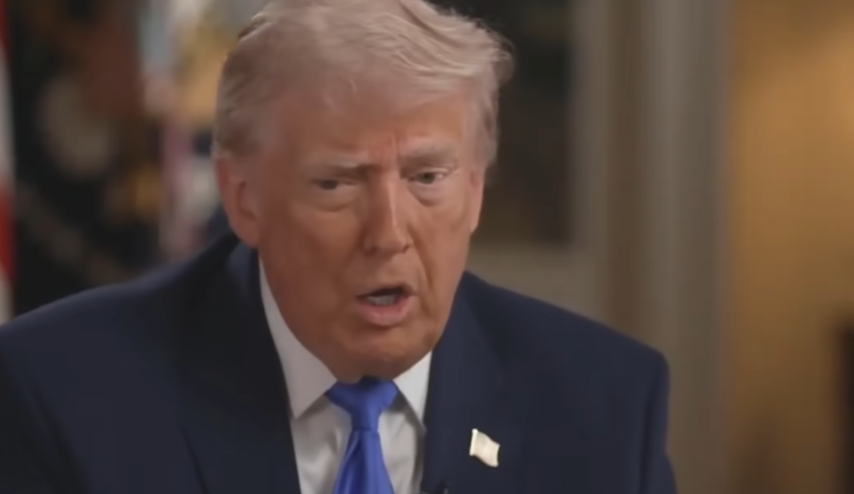
Trump said at a Cabinet meeting at Camp David on Friday that the fund is no longer being used. “The fund is dead,” he said. Almost right away, they said, “But, you know, I wish it weren’t.” It seemed like that kind of honesty—or maybe it was a mistake—backed up what Cornyn and Tillis had been saying. Things didn’t get better after Trump defended the people the fund was meant to help in a Truth Social post that same morning. Some people took that post as a sign that the door wasn’t completely shut, including people who were there on January 6 and who Trump has always backed.
The appeal itself says Judge Williams made a basic legal mistake: just because Trump is in charge of the executive branch doesn’t mean that he and the federal government have the same legal interests or can’t be seen as opposing parties. At first glance, it seems like a good argument, and the 11th Circuit might listen to it. In the real world, though, the appeal keeps the fund, the tax immunity deal, and Blanche’s troubled nomination all mixed up in the same messy news cycle.
Norman Eisen, the chairman of Democracy Defenders Action and counsel to the former federal judges who prompted Williams’ initial scrutiny, put it bluntly: “This is the hill Trump has chosen to die on.”
Whether that turns out to be true is still unclear. What is clear is that the administration is ready to pay real political price—a stalled attorney general nominee and tense relationships with Senate allies—to keep fighting for parts of the bill that directly and personally help the president. That calculus might make sense from a certain angle. It’s also the kind of thing that tends to follow a president well beyond the immediate news cycle.
