

During the uncertainty of the pandemic, Damary Santana noticed the vibrant cans of toddler milk as she strolled down the formula aisle. They were packaged in remarkably similar designs to the infant formula she was already purchasing, and they promised immune support and brain development. She never realized the product was nutritionally unnecessary, so she paid $35 to $45 per can, thinking she was investing in her kids’ health. She was infuriated by her subsequent discovery and was inspired to file a lawsuit against Abbott Nutrition after receiving an extremely clear warning from her pediatrician.
Today, the toddler milk lawsuit serves as a striking example of how marketing plays on parents’ anxieties. Companies take advantage of parents’ instinct to give their kids the best possible care by using vivid colors, stage names like “Stage 3,” and claims that seem scientifically necessary. However, pediatric specialists maintain that toddler drinks are unnecessary, pointing out that regular cow’s milk is much less expensive and more nutrient-dense after the age of one. What parents perceive as protective decisions may turn out to be expensive errors influenced by astute branding.
The story of Rachel Maddox adds yet another intensely intimate element. She bought raw milk from Keely Farms Dairy in Florida without knowing the possible dangers. Taking care of her toddler after they fell very ill caused her to get infections herself. Tragically, her unborn child died as a result of the illness. Her lawsuit emphasizes the terrible effects that unregulated products have on people and shows that false information about milk, pasteurized or not, can have serious negative health effects.
| Category | Details |
|---|---|
| Case | Toddler Milk Lawsuit |
| Year | 2024–2025 Ongoing |
| Key Plaintiff | Damary Santana (Massachusetts mother) |
| Other Plaintiffs | Rachel Maddox (Florida), parents in California |
| Defendants | Abbott Nutrition (Similac), Mead Johnson (Enfagrow), Gerber (Good Start) |
| Allegations | Misleading marketing, unnecessary product, excessive sugars, potential health risks |
| Legal Representation | Center for Public Health Litigation, Northeastern University School of Law |
| Industry Defense | Products are properly labeled, fill nutritional gaps |
| Regulatory Oversight | Toddler milks not regulated under Infant Formula Act |
| Reference | CNN Report |
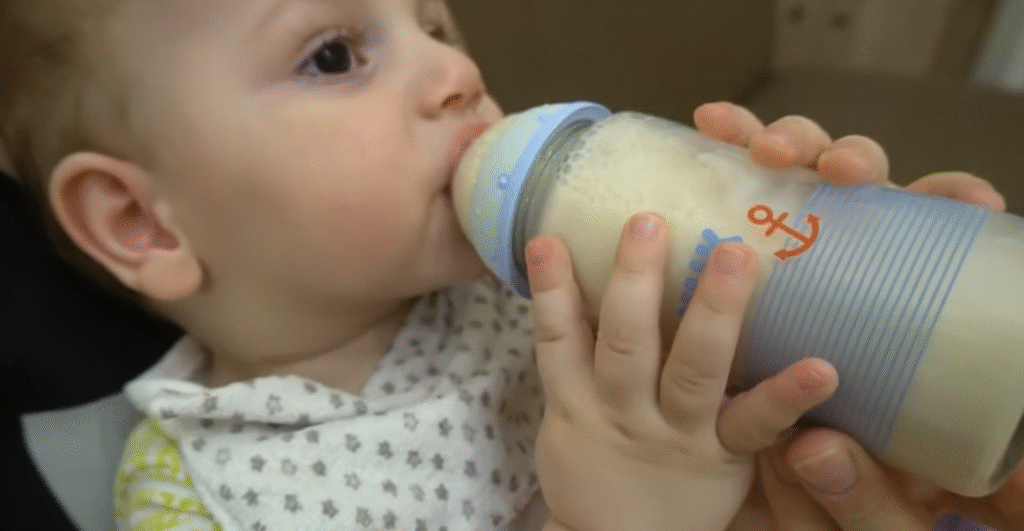
Physicians have been particularly vocal. Toddler drinks may be especially dangerous because they contain added sugars, which the CDC advises children under two to completely avoid, according to Dr. George Fuchs of the University of Kentucky. According to him, children who are exposed to sugar, fat, or salt at a young age form preferences that may make it much more difficult for them to maintain healthy habits as adults. In addition to deceptive advertising, the issue here is instilling unhealthy habits in the next generation.
Sales data show that the industry is doing well in spite of these cautions. Sales of toddler milk have averaged more than $500 million per year since 2018, which is an exceptionally high amount for goods that pediatricians argue shouldn’t even be on the market. Toddler drinks are a particularly creative marketing gimmick, according to Jennifer Harris, a prominent voice at the Rudd Center for Food Policy and Health. She contends that they were created to make up for the drop in sales of baby formula as breastfeeding rates increased. In order to lure parents into making needless purchases, companies created cans that resembled infant formula almost exactly and arranged them side by side on shelves.
Abbott’s Similac Pure Bliss and Go & Grow toddler drinks have up to 4 grams of added sugar per serving, according to the lawsuits, while other Similac toddler powders have up to 12 grams, or almost half a can of soda, per serving. It was claimed that each serving of Gerber’s Good Start Grow contained 15 grams. When compared to official recommendations that infants and toddlers should consume no added sugar, these numbers are especially concerning.
Santana and other plaintiffs find the betrayal to be extremely personal. She remembers the packaging’s emphasis on immune system function and brain development, which put emotional pressure on her to believe she was acting morally. Rather, she feels that she squandered hundreds of dollars on items that were no better than ordinary milk. Her experience is eerily reminiscent of past cases against tobacco companies in which consumers alleged they were misinformed about the safety of goods that were once taken for granted.
Representatives of the industry hold their position. Abbott Nutrition is adamant that its goods address nutritional gaps and have accurate labels. Mead Johnson claims that evidence-based nutrition supports its Enfagrow line. Consumer advocates, physicians, and parents, however, disagree. The marketing of toddler milk has been directly compared to Big Tobacco’s deceptive tactics by the Center for Public Health Litigation, which is headed by Andrew Rainer. The case gains historical weight from the involvement of Richard Daynard, who was instrumental in holding tobacco companies accountable.
There is a noticeable regulatory gap. The Infant Formula Act imposes stringent nutrient requirements on infant formula. However, toddler milks are exempt from this rule. Manufacturers are free to modify formulations as they see fit and make general marketing claims with minimal oversight. According to Dr. Steven Abrams of the University of Texas, this lack of supervision exposes parents to manipulation, which he characterizes as being extremely ineffective in safeguarding the health of children.
There are significant societal ramifications. In addition to being costly, toddler milks may exacerbate childhood obesity, a problem that is already putting a strain on healthcare systems. Families with lower incomes frequently bear the brunt of this, using limited funds to purchase surprisingly unnecessary goods. In addition to seeking restitution, the lawsuits seek structural reform, including more stringent regulations, more transparent labeling, and the relocation of toddler products from infant formulas on store shelves.
Debates surrounding celebrity wellness endorsements are reflected in the larger cultural discourse. Similar to how influencers market supplements with inflated claims, toddler milk advertising plays on parents’ fears and trust in ways that are very intimate. These kinds of lawsuits have the potential to influence not only regulatory change but also a change in the way society views children’s nutrition products.
Advocates stress that the goal is to prevent businesses from taking advantage of parents’ instincts, not to disparage parents who purchased toddler milk. In order to enable families to make decisions based on facts rather than fears, the lawsuits aim to provide them with clear information. By doing this, the movement is especially helpful in redefining child nutrition in terms of affordability, accessibility, and health rather than marketing that is motivated by profit.
If the lawsuits are successful, toddler milks may be taken off store shelves or subject to stricter regulations like those governing infant formula, which would significantly improve the future for families. In addition to protecting kids’ diets, this would greatly ease parents’ financial burden. “There is no reason for this product category to exist,” Harris says bluntly.
