

When one of Nigeria’s most famous oil families fights their private battles in public court, it seems strange. Most of the time, these things are handled behind closed doors, over the phone, at family dinners, or through payments that don’t leave paper trails. That hasn’t been an option for the Indimi family’s dispute over Oriental Energy Resources.
This is Muhammadu Indimi, the billionaire from Maiduguri who started Oriental Energy from nothing in 1990 and made it one of Nigeria’s biggest indigenous upstream oil producers. He has now asked to personally appeal a Federal High Court decision that said his company had to pay $43.51 million to his twin daughters, Ameena and Zara. Asian Energy had already sent its own appeal against the decision from February. But it looks like Indimi wants to be in court himself.
In her decision in February, Justice Nkeonye Maha said that both sisters were due dividends that had been held back from them. According to the sisters, they each used to own about 5% of Oriental Energy, for a total of 10%, but that their shares were later cut down to about 0.63% each. In 2016, the company said it would pay out a dividend pool of about $435.1 million. Ten percent of that amount was $43.51 million. The court agreed that they had a good reason to claim it.
Oriental Energy’s defense was based on a different account of what happened. The company said that that Indimi had paid $10 million to get rid of his daughters’ shares, that the transfers were voluntary, and that this payment ended the matter. Early on in the case, Indimi’s oldest son filed an affidavit against his two sisters. This gave an already tense situation even more weight. The company’s argument didn’t change the court’s mind.
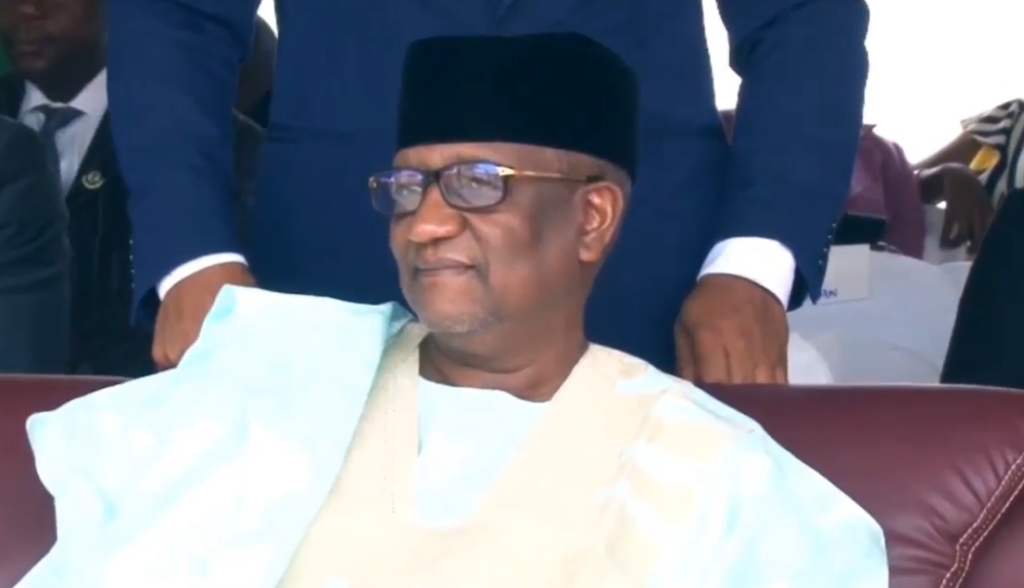
Indimi’s personal application to join the appeal is interesting for more than just the legal side of things. ThisDay reports that sources close to the situation say Indimi thinks that his presence could make the tone less hostile that has settled over the proceedings. Some say that the fact that his daughters respect him could make a difference in how the case goes. That might be true. It’s also possible that the lawsuit has gone too far along for that to work.
Lawyers, people who study government, and investors are all very interested in the case—not just because of the money, but also because of what it has accidentally shown. In Nigeria, privately held businesses, especially those in the oil industry, don’t say much about who owns them or how their finances work. Family shareholding changes, dividend payments, and unofficial payments between family members are rarely made public. Because of this case, those arrangements have become clear.
That’s where the bigger meaning lies. In Africa, many of the biggest businesses are privately owned and run by families. The ownership structures are somewhere between formal corporate paperwork and informal family understanding. When those two things don’t match up, which they clearly did here, it’s up to the courts to decide what happened and what it means legally. Oriental Energy’s claim that the claim was moot because the company had already paid for things, is a common dispute in family businesses across the continent. It wasn’t accepted by the Federal High Court.
For investors and lenders looking in from the outside, the case quietly brings up questions about openness, protecting minority shareholders, and the risks that come with structures where ownership and management are merged. Oriental Energy, which has stakes in the Ebok, Okwok, and OML 115 fields, is one of the more serious indigenous operators in the Niger Delta. The way it runs its business is typical for businesses in this category. For that reason alone, the outcome of this appeal is worth following.
It’s still not clear if Indimi’s request to join the case will be granted. The public doesn’t know about the timeline or the official status of that application. What is clear is that this fight between a father, two daughters, a company that has been around for decades, and a 2016 dividend that became the center of everything has grown into something bigger than any of them maybe meant.
