

One of the more improbable second acts in American sports media was created by Shannon Sharpe. He created a completely different persona behind a microphone after playing in the NFL for 14 seasons, winning three Super Bowl rings, and being inducted into the Hall of Fame in 2011. Club Shay Shay, his podcast, gained a sizable following. It felt like an arrival when he moved to ESPN. After a lawsuit was filed in April 2025, not much has changed.
Under the pseudonym Jane Doe, a woman filed a complaint alleging that Sharpe had sexually assaulted and raped her twice, in October 2024 and January 2025, both times in Las Vegas. More than $50 million in compensatory and punitive damages were sought in the civil lawsuit, which was filed in Clark County, Nevada. The accusations were detailed and explicit. The lawsuit claimed a pattern of control and manipulation over a nearly two-year relationship that started when she was twenty years old, and she described him ignoring her repeated rejections.
Sharpe denied all of it. He referred to the lawsuit as a “shakedown” in a video that was uploaded to X, and he declared that he would fight it openly and publicly. At the time, his lawyer presented the relationship as consensual, calling it “sexual in nature” and claiming that the woman herself initiated many of the encounters. Naturally, that language was not well received by the general public.
It’s important to remember that these kinds of lawsuits seldom present a clear picture in either direction. Convictions are not the same as allegations. Admissions are not the same as settlements. Nevertheless, the complaint’s specifics were hard to ignore, and the public’s response happened more quickly than any courtroom timeline could.
Days after the lawsuit was made public, on April 24, Sharpe resigned from ESPN. The network became silent. At least in a professional sense, he also fell silent. He never made the promised preseason comeback. The case was settled on July 18, according to lawyer Tony Buzbee, who has also represented plaintiffs in lawsuits against Sean Combs and others. There were no terms revealed. The lawsuit cannot be refiled because it was dismissed with prejudice.
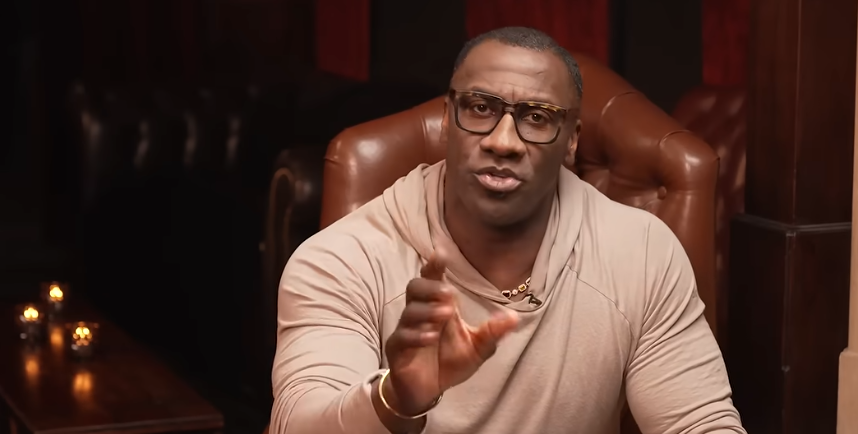
In less than two weeks, ESPN revealed what many had already surmised: Sharpe would not be coming back. He claimed on his podcast that he only learned about it a few days prior. A man of his caliber discovering that his employment was over through what amounted to a covert corporate decision is somewhat startling. Regardless of the nature of the internal discussions, the decision was made quickly and definitively.
It’s still unclear if ESPN’s calculations would have changed if the lawsuit had gone differently. The network continued to move forward after the settlement was reached and the case was closed. Sharpe brought real viewership to ESPN and was a reliable presence. Regardless of the outcome of a legal proceeding, some circumstances appear to be just too difficult to recover from.
What this incident says more generally about second chances in sports media and who gets them is more difficult to respond to. Over many years, Sharpe developed a great deal of goodwill. That kindness did not endure this. The question of whether the accusations were morally, legally, or professionally justified is one that usually generates more controversy than clarity. The outcome is evident: a noteworthy career seems to be over, at least in its current form.
Sharpe is fifty-seven. His voice is still there, and the podcast is still going strong. It’s truly unclear if the audience will stick with him after this chapter. Even though the ESPN microphone has been turned off for the time being, there’s a sense that the story isn’t quite done.
