

There is something very telling about an airline that is ending a route that it started only eight months ago. In March, Alaska Airlines started flying from Santa Rosa to Ontario, taking over a route that Avelo Airlines had dropped just a few weeks before. It was welcomed at the airport, people booked it, and the airline flew it every day on an Embraer E175. It’s done by October 31. Honestly, that’s not even close to a long run, which makes me wonder what changed.
Alaska Airlines, which has the fifth most flights in the country, has been changing the way its network works for most of 2026. Seven routes in California and Mexico are being cut, but one important service, from San Jose to Los Angeles, is quietly coming back from the dead. It’s a moving network that doesn’t always go where people want it to.
The part of this shift that stands out the most is the Mexico pullback. There will be no more summer flights from Puerto Vallarta to Sacramento, St. Louis, or New York’s JFK airport in 2027. It wasn’t like these were long-term relationships either. They were first flown by Alaska last year, and they usually run from January to April before stopping for the off-season. The JFK slot is apparently being moved to make room for a fifth daily flight between Seattle and New York. This may tell you something about Alaska’s strengths. There’s a sense that the airline looked at demand in Puerto Vallarta and Hawaii’s potential and chose Hawaii over Puerto Vallarta in a quiet way.
Hawaii’s story of growth has been building for a while now. Alaska Airlines has been focusing on markets where it can do a lot of business since it bought Hawaiian Airlines. Mexico, on the other hand, has seen a steady stream of cuts. There are no longer any flights from Las Vegas to Puerto Vallarta, from Sacramento to Los Cabos, or from San Luis Obispo to Las Vegas. These moves aren’t panic moves, but they’re also not chance. That being said, Alaska might just be admitting that it can’t compete with airlines that are designed to serve the leisure market on routes in Mexico.
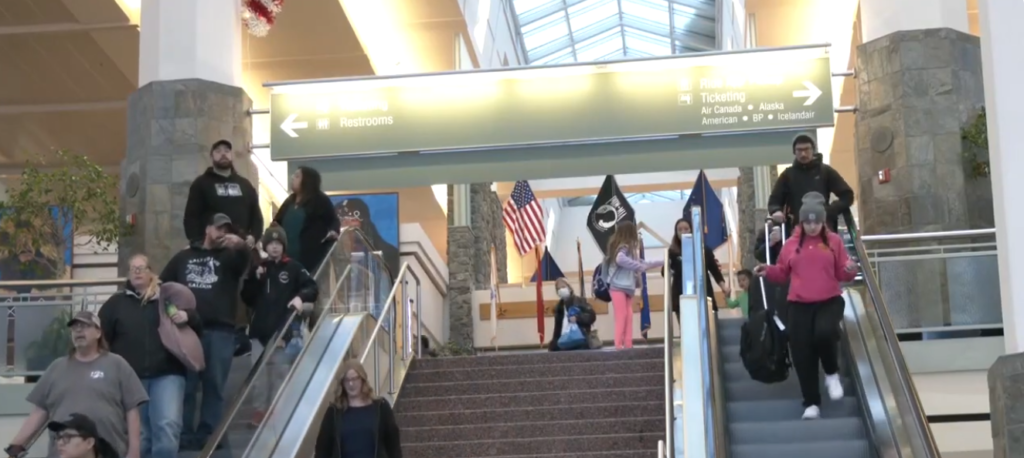
We should look more closely at what’s going on in Santa Rosa. The Charles M. Schulz–Sonoma County Airport has been used by Alaska for almost twenty years. It was the first airline to offer commercial service at that airport and has stayed there as the main airline. It hurts a little more than usual when two routes from Santa Rosa are cut, including one to Salt Lake City that hadn’t even started yet. This is because of the history involved. The service to Salt Lake City was taken off the schedule before it even flew a passenger. When a cancelation is made ahead of time like that, it usually means that demand signals were weaker than expected.
Of course, not every place is a retreat. The route from San Jose to Los Angeles will be back on November 1 with a lot more power than before. Alaska stopped the service in January because planes were arriving later than expected. At the time, the connection was being run on a 76-seat regional jet. When the service starts up again, a 173-seat Boeing 737-900ER will be used for four daily flights. That’s a big improvement, and it shows that Alaska thinks this California-to-Alaska corridor has real traffic potential—enough to go bigger instead of smaller. The move is part of the airline’s larger push toward hub-based operations, which use bigger planes on main routes instead of smaller ones for regional flights.
People who have reservations on any of the seven routes that have been shut down must act quickly. When you rebook through hub connections, your trip may take longer and cost more, depending on your itinerary. The person from Sonoma County who booked a nonstop flight to Salt Lake City for November will now have to put together another plan. It’s still not clear if Alaska will help passengers rebook or leave them to figure it out on their own. This is something that airlines do differently, and the answer often depends on how much notice they gave.
There is no crisis going on in Alaska right now. Less thin routes and more capacity on routes that matter most to the network make it look more like a planned tightening. It’s a whole different question whether that helps passengers as much as it helps the bottom line.
