In order to resolve allegations that its Krud Kutter cleaning products were advertised as “Non-Toxic” and “Earth Friendly” despite containing substances that could be harmful to both persons and the environment, Rust-Oleum Corporation agreed to pay $1.5 million. The Bush v. Rust-Oleum Corporation case is a prime illustration of how contemporary consumers are bringing businesses to the truth about their “green” claims.
The plaintiffs claimed that the Krud Kutter brand’s manufacturer, Rust-Oleum, profited financially from deceptive environmental marketing. The company advertised a number of Krud Kutter products, including the Original Cleaner & Degreaser, Kitchen Degreaser, and Tough Task Remover, as being safe for humans, animals, and the environment. Chemical testing, however, allegedly turned out components that went against those claims. The disclosure felt like a betrayal of trust to consumers who bought Krud Kutter thinking it was safe, especially in a time when ethical consumerism is highly prized.
The settlement stipulates that customers who purchased eligible goods between May 2016 and April 2025 are eligible for a $1 refund for each item, with an unlimited number of claims permitted with proof of purchase. If the fund reaches the $1.5 million maximum, payouts will be reduced for those without receipts who claim up to eight products. A protracted battle that focused on both branding integrity and marketing language came to an end with the ultimate court approval, which was set for September 25, 2025.
Table: Key Facts About the Krud Kutter Settlement
| Entity | Role | Description | Settlement Amount | Reference Link |
|---|---|---|---|---|
| Rust-Oleum Corporation | Defendant | Accused of falsely marketing Krud Kutter cleaning products as “Non-Toxic” and “Earth Friendly” | $1.5 million | https://www.classaction.org/news |
| Krud Kutter Consumers | Plaintiffs | U.S. consumers who purchased certain Krud Kutter products between May 13, 2016, and April 17, 2025 | Eligible for cash compensation | https://www.krudkuttersettlement.com |
| U.S. District Court (Northern District of California) | Judicial Body | Oversaw Bush v. Rust-Oleum Corporation, Case No. 3:20-cv-03268 | Final hearing: September 25, 2025 | https://www.topclassactions.com/open-lawsuit-settlements |
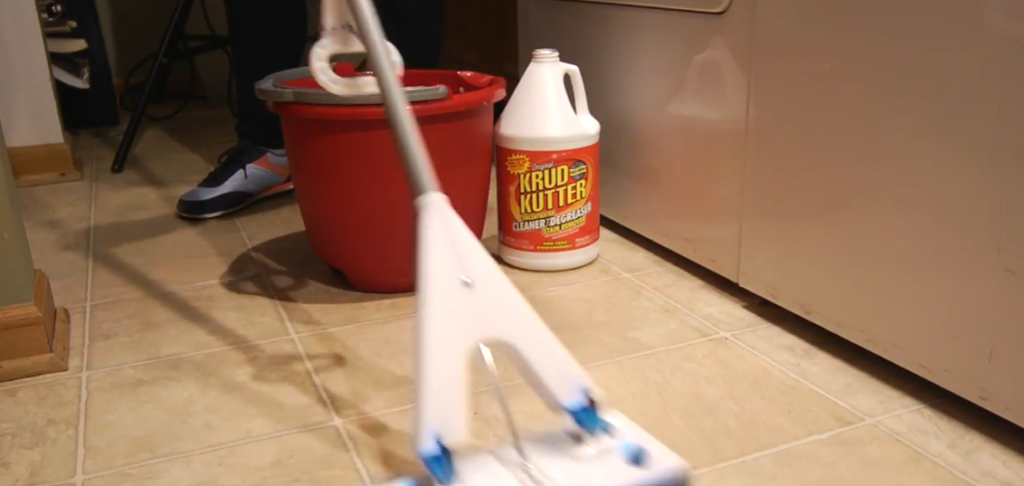
The case demonstrates an important cultural turning point in which brand identity now revolves around environmental responsibility. Businesses frequently use terms like “non-toxic,” “eco-safe,” or “earth-conscious” to attract to customers who care about sustainability. Without scientific support, however, those same phrases can be dangerously ambiguous. The Krud Kutter settlement shows how deceptive these statements can be, not just as marketing gimmicks but also as possible infractions of consumer protection laws.
Although it did not acknowledge any wrongdoing, Rust-Oleum consented to change its marketing and labeling strategies. The business will completely eliminate “Non-Toxic” and put an asterisk next to “Earth Friendly,” directing customers to an explanation. This minor alteration to the design has symbolic meaning. It is indicative of a change toward openness—a recognition that without accountability, words can no longer transcend reality.
Both the industry and consumers will especially benefit from the case’s resolution. When consumers question corporate narratives, it serves as a reminder that their opinions matter. For companies, it serves as a reminder that being real is now expected rather than optional. Even if the compensation is small financially, marketing experts have pointed out that it sends a strong message to brands that have a strong environmental identity: consumers are paying attention and have the power to take action.
This problem bears a striking resemblance to past litigation aimed at “greenwashing.” Allegations of overstating their sustainability credentials have been made against Clorox, SC Johnson, and even Coca-Cola. The “Green Guides” published by the Federal Trade Commission, which provide guidelines for environmental marketing, are being updated to more strictly handle certain situations. The Krud Kutter case, according to one advertising attorney, is “particularly innovative” since it combines corrected labeling with monetary compensation, transforming a lawsuit into a step toward improved communication.
The case serves as a permanent reminder that credibility is extremely brittle, even when Rust-Oleum’s public image may improve. Reputation travels at the same speed as information in the marketplace. It takes years for consumers to regain trust in a brand’s honesty. The settlement brings some accountability back to an industry that has become accustomed to exploiting buzzwords as profit-making ploys, in addition to compensating Krud Kutter’s buyers.
Equally illuminating is the human side of the settlement. Comments on consumer sites such as Top Class Actions and legal forums demonstrate how emotionally inflamed this topic got. Many consumers expressed displeasure after learning that products that were marketed as safe really had warning signs buried in fine language, indicating that they felt duped. After using the cleaner in her daycare facility, believing it to be “Non-Toxic,” one customer wrote that she then questioned whether it was indeed safe for kids. Many Americans now demand that businesses adhere to the same ethical principles they promote, and her experience is similar to theirs.
Environmentalists see the case as a turning point in the fight against corporate greenwashing. It establishes a standard that smaller businesses find difficult to disregard by holding a well-known brand accountable. Additionally, it signifies a cultural change in which customer loyalty is no longer ensured by corporate virtue-signaling. “Authenticity has become currency,” as one sustainability researcher commented. No amount of PR polish can restore something you’ve lost.
Rust-Oleum might have made a smart strategic move by settling. More financial penalties and reputational damage might have resulted from a drawn-out trial. Manufacturers are becoming more conscious of the need for quantifiable evidence to support environmental claims, as evidenced by the company’s collaboration and readiness to update its labeling. Even though this strategy is reactive, it might be incredibly successful in averting future conflicts.
There are far more implications than just cleaning supplies. The Krud Kutter settlement draws attention to a tension that exists in a variety of businesses, including construction and cosmetics, where eco-claims are dangerous and profitable. “Green” labels are no longer taken at face value by customers. They look into substances, monitor lawsuits, and immediately disseminate their results online. Being transparent is now not only a virtue but also a requirement.
The positive outcome of this case is what sets it apart. Rather than just penalizing the business, the settlement requires Rust-Oleum to make its practices more transparent. That establishes a precedent for corporate responsibility that looks to the future by pushing businesses to reconsider their environmental messaging instead of only using sanctions to silence them.