

Dawn Richard made the decision to speak up in September of 2024. She filed a thorough lawsuit against Sean “Diddy” Combs, avoiding anonymity completely and using her full identity. The claim covers alleged sexual assault, unpaid wages, and extremely concerning abuses of power. The legal filing, full with disturbing details, came as a deliberate act of truth-telling shaped by more than 10 years of lived experience rather than as a shocking headline.
As someone who saw Danity Kane rise to fame in the early 2000s, I recall being impressed by Richard’s self-assurance. She had always exuded a creative power that made it seem like she wasn’t just another voice in a staged lineup. However, she now claims that beneath that polished façade was a setting rife with exploitation, fear, and pressure. The complaint contextualizes a career path that many believed was paved with gold but was, in her own words, significantly molded by intimidation and silence. It does more than just level accusations.
Richard describes incidents in which Combs allegedly forced her to strip during rehearsals and unexpectedly entered her dressing room, among other grave accusations. According to her, the setting frequently made it difficult to distinguish between control and performance. The allegation that she was held in a car for more than two hours after a fight ended, unable to get out, her anxiety increasing by the minute, is very concerning. That information seems more like a memory trapped in fear than a legal record.
Richard also identifies what many former collaborators have long alluded to: a culture of terror surrounding Combs’ authority, using legalese and first-hand testimony. She claims that wage theft, physical abuse, and repeated manipulation were all part of a larger pattern rather than separate incidents. She claims that rather than being faults or managerial blunders, these were a part of a long-standing system that was intended to stifle individuality while stealing emotional and creative work.
| Category | Details |
|---|---|
| Full Name | Dawn Angelique Richard |
| Profession | Singer, Songwriter |
| Known For | Danity Kane, Diddy – Dirty Money |
| Lawsuit Filed | September 10, 2024 |
| Defendant | Sean “Diddy” Combs and Related Entities |
| Legal Claims | Sexual assault, sexual battery, verbal abuse, false imprisonment, deprivation of food and sleep, witness intimidation |
| Court | U.S. District Court, Southern District of New York |
| Legal Team | Represented by Attorney Lisa Bloom |
| Reference | https://www.reuters.com/legal/sean-diddy-combs-sued-sexual-assault-by-former-bad-boy-records-singer-2024-09-11/ Reuters |
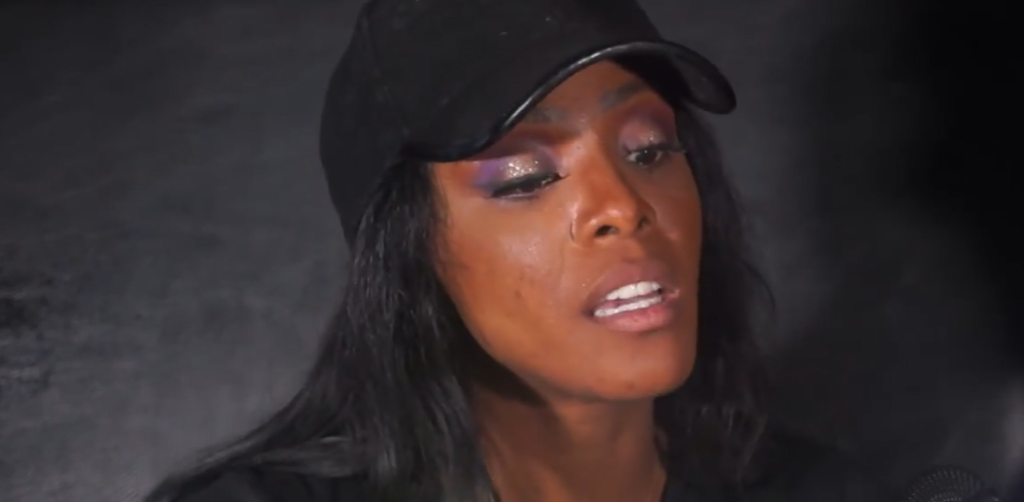
Richard’s grievance also highlights similarities between her personal and other people’s experiences. She draws attention to unsettling similarities with Cassie Ventura’s abuse story, strengthening the case for Combs’ purported wrongdoing. By doing this, she presents her situation as a reflection of a wider system that, according to many, ran unchecked for far too long, rather than just as a personal reckoning.
It seemed incredibly deliberate that she chose to come forward in public, without aliases or redactions. It conveys strength in both voice and approach. She’s not only looking for money. She is fighting a power disparity that she feels has harmed and occasionally endangered her career. Just that choice will probably be recognized as a turning point, especially for women in entertainment whose voices were previously silenced.
The lawsuit is similarly illuminating in terms of finances. Richard says that even though she actively promoted and toured, she was not given royalties, performance fees, or money from brand arrangements. These allegations point to a persistent pattern in music where artists—particularly women of color—fight for compensation that was rightfully and morally theirs from the start and imply a long-standing breach of contract. The file emphasizes how exploitation is not only emotional but also financial by concentrating on the numbers.
One sentence about how she was once warned not to call her father unless she was in the hospital particularly touched me. That moment reveals something eerily unvarnished in a profession based on dance and controlled appearance. It’s a cry that shows how intensely personal manipulation can become when control takes precedence over concern; it’s not a PR crisis.
The lawsuit also comes at a time when Combs is under more scrutiny due to separate federal allegations. Richard’s action stands out with an uncommon clarity, despite the fact that some of the other accusers’ allegations have been rejected or resolved. It rejects ambiguity. It identifies effects, timelines, and names. By doing this, it joins an expanding collection of resistance—women speaking up for their beliefs rather than for attention.
All accusations have been vehemently refuted by Combs’ legal team. They dispute the claims as untrue and well-timed, framing the case as opportunistic. However, the public’s perception of such dismissals has significantly changed because to the larger momentum of comparable cases, especially those involving Cassie and other former allies. Public trust is no longer blindly granted, but the presumption of innocence is still in place.
Richard’s attorney made it apparent in the filing that this is a continuous effort. They retain the ability to add, modify, and call more witnesses. While keeping the allegations against Combs himself, they have already limited down a few individuals. This flexible legal approach suggests a well-prepared—and perhaps more determined—case.
Myth-making and image management were key components of celebrity culture for many years. However, that rhythm is broken by Richard’s story. Her submission tells a story rather than only making accusations. It raises the question of how much silence has been forced from artists and how many happy moments have been overshadowed by fear. This case has significance because of the emotional undertone that is woven between public statements and legal claims.
The impact of the case is already apparent, regardless of whether it results in a court trial or a monetary settlement. Artists are observing. So are executives, managers, and supporters. Richard’s insistence on dignity and transparency serves as a reminder to others that private hurt is not negated by public sight and that justice can still be pursued with purpose, even if it is delayed.
