

The Federal Trade Commission’s announcement of the Avast settlement was a statement about modern responsibility, privacy, and openness rather than just another corporate fine. Once regarded as a digital protector, Avast was forced to pay $16.5 million for surreptitiously gathering and selling user data to outside parties while positioning its antivirus software as a privacy safeguard.
The reimbursement procedure garnered more public attention than the fine itself. The FTC made the astonishingly successful choice to use Zelle, PayPal, and regular mail to disburse payments rather than mailing checks. It was a proactive step that demonstrated how government organizations are adopting electronic payment methods in order to expedite the delivery of reparations.
With a statement mentioning the “FTC Avast Settlement,” more than 103,000 Avast users who filed legitimate claims are now getting compensation straight into their bank accounts. Since a Zelle deposit from a government-approved reimbursement scheme isn’t something you see every day, many people were taken aback by the message. Nevertheless, it turned out to be very effective, sending money in days as opposed to months.
This case has roots that go back almost ten years. Through its extensions and antivirus software, Avast is accused of collecting comprehensive surfing data between 2014 and 2020. Although consumers thought the program was preventing trackers, the FTC discovered that Jumpshot, a subsidiary of the corporation, was selling “anonymized” statistics to analytics and advertising companies. Clicks, timestamps, browsing histories, and even search activity were all included in the data.
Avast Settlement – Case & Payment Overview
| Detail | Information |
|---|---|
| Company | Avast Software, a cybersecurity and antivirus provider |
| Settlement Amount | $16.5 million |
| Settlement Year | 2025 |
| Settlement Authority | Federal Trade Commission (FTC), United States |
| Reason for Settlement | Deceptive practices and sale of users’ browsing data without consent |
| Payment Method | Zelle, PayPal, and mailed checks |
| Number of Recipients | 103,152 customers with valid claims |
| Claim Deadline | June 5, 2025 |
| Contact Number | 1-866-290-0165 |
| Official Source | FTC – Avast Settlement |
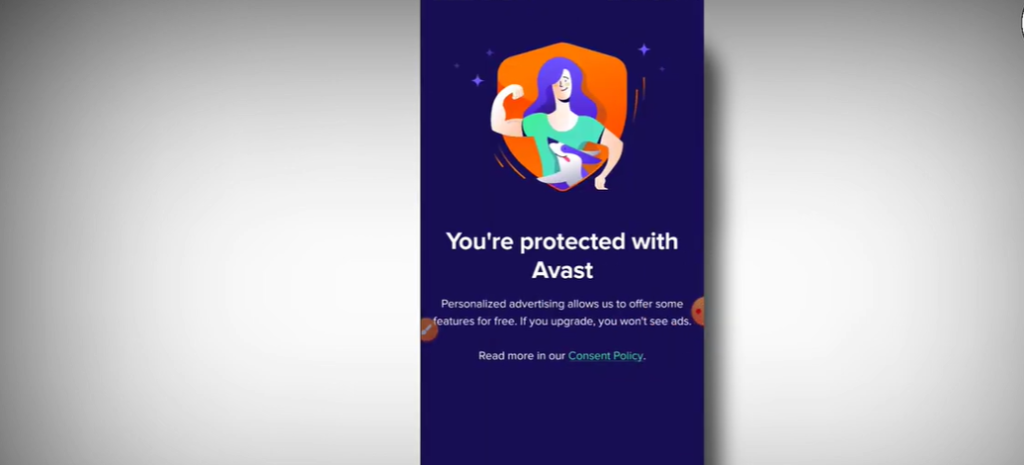
The purported anonymity of the data was untrue. Researchers found that data was easily re-identifiable, linking browsing behaviors to specific people. The FTC’s decision was very clear: this was a breach of trust rather than a data breach. The business made money off of data it had pledged to safeguard. The settlement required that any future data gathering be open and voluntary, and it prohibited Avast from selling or licensing surfing data.
The payments provide clients with reassurance as well as reparation. However, the Zelle notifications were soon followed by misunderstanding. There were numerous posts on Reddit and social media wondering, “Is this real?” A lot of individuals thought it was a fraud. Ironically, the valid FTC notice emails were identified as suspicious by several antivirus software, including Avast. A cybersecurity company’s own security filters unintentionally warned against its own settlement payout, turning the scenario into a digital comedy of errors.
By verifying that emails sent from AvastSettlement@rcnotifications.com were authentic and connected to authorized refund processing partners, the FTC quickly cleared up any misunderstandings. It made clear that recipients will never be asked to pay fees in order to access their funds. Zelle payments were automatically deposited after confirmation, usually with a brief explanation.
The adoption of Zelle was a particularly creative choice that demonstrated how consumer protection is evolving to keep up with contemporary technologies. In previous settlements, participation rates have been considerably lowered by traditional refunds, which are frequently mailed cheques that run the danger of being lost or delayed. The FTC guaranteed quicker payouts and increased accessibility by incorporating digital platforms.
Additionally, the Avast case represents a change in the way authorities view privacy violations. It was about misplaced confidence, not stolen data. Although Avast’s software turned became a conduit for surveillance, the company’s marketing claimed to shield customers from it. Legal professionals referred to the case as a “landmark for digital consent,” reaffirming that complete transparency is necessary to prevent the exploitation of even anonymised data.
In a statement, Avast, which is now part of Gen Digital (formerly NortonLifeLock), acknowledged the payment while stressing that the disputed practices ceased years ago. Its message, which emphasized a dedication to updated privacy protections and compliance monitoring, was remarkably resilient. In an attempt to restore credibility that had been subtly damaged, the corporation also mentioned continuous efforts in user education and data ethics.
The payment is more than just a few cash to many receivers; it is a sign of approval. It’s a concrete recognition that personal information is valuable. The settlement was hailed by privacy advocates as an especially helpful reminder that authorities are keeping up with the rapid advancements in technology. It also established a standard for how compensation in cases involving digital privacy may develop—much quicker, more straightforward, and easily incorporated with the financial channels that customers currently utilize.
Industry watchers pointed out similarities between this case and previous FTC cases against tech behemoths like Google and Facebook. Both were fined for misleading data practices, but Avast’s case is particularly noteworthy because it involves an antivirus company making money off of trust. It serves as a warning to the whole software sector, where user trust is vital.
The ramifications of the deal go much beyond the money. It draws attention to the rising demand that software firms function within incredibly transparent privacy standards. Vague disclaimers hidden in fine print are no longer acceptable to consumers. They anticipate accountability, and this case provides it.
The result, according to cybersecurity experts, is very adaptable and demonstrates how technology and regulatory enforcement can develop together. When compared to more traditional, bureaucratic procedures, the usage of fintech channels like Zelle, PayPal, and digital claims websites is far better. Instead of using paperwork, it shows how the system is learning to meet people where they are: on their devices.
