

The way Duane “Keffe D” Davis sealed his own demise is almost amazing. Although it began on the nite of September 7, 1996, in the white Cadillac on the Las Vegas Strip, it took place over the course of fifteen years of interviews, documentaries, podcasts, and a self-published memoir in which he detailed his involvement in Tupac Shakur’s murder in great detail. A Las Vegas judge sentenced him to 40 years to life in prison on October 13, 2026. He was sixty-three. He intends to file an appeal.
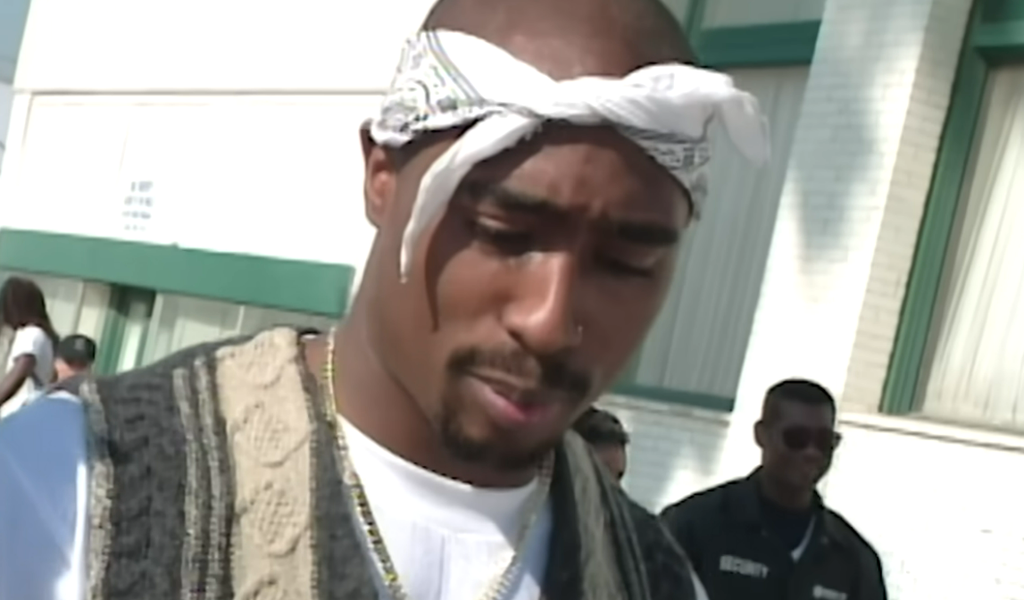
| Field | Details |
|---|---|
| Full Name | Duane “Keffe D” Davis |
| Age at Sentencing | 63 years old |
| Date of Sentencing | October 13, 2026 |
| Sentence | 40 years to life in prison |
| Conviction | First-degree murder with use of a deadly weapon |
| Date of Verdict | August 31, 2026 |
| Deliberation Time | Less than 3 hours |
| Victim | Tupac Shakur (born June 16, 1971) |
| Date of Shooting | September 7, 1996 |
| Tupac’s Age at Death | 25 years old |
| Date of Tupac’s Death | September 13, 1996 |
| Location of Shooting | Near the Las Vegas Strip, Las Vegas, Nevada |
| Motive | Retaliation for assault on Davis’s nephew, Orlando Anderson, at the MGM Grand |
| Davis’s Gang Affiliation | Southside Compton Crips (former leader) |
| Trigger Man | Orlando Anderson (Davis’s nephew; died 1998, never charged) |
| Key Evidence | 2008 police interview, 2019 memoir Compton Street Legend, podcast and documentary interviews |
| Sentencing Judge | Judge Carli Kierny, Clark County District Court |
| Legal Status | Davis plans to appeal the conviction |
| Days Credit Served | 731 days |
| Case Status Prior | Cold case for nearly 30 years; Davis is the only person ever charged |
| Boxing Match Context | Tyson vs. Seldon fight attended by both parties the same evening |
One of the most well-known cold cases in American history was this one. It generated conspiracies, documentaries, and intense debate both inside and outside of the hip-hop industry for thirty years. When Shakur was shot in a drive-by while driving a BMW close to the Las Vegas Strip after seeing the Mike Tyson vs. Bruce Seldon boxing match, he was 25 years old and at the pinnacle of his career. On September 13, 1996, six days later, he passed away. Prior to Davis’s arrest in September 2023, no one had ever been charged.
The source of the most damning evidence was what truly set this case apart. No murder weapon was found. Over the years, physical evidence had mostly vanished. There were no witnesses from that world. However, Davis did. In 2008, he told police that he was in the car when the shots were fired during an unrelated investigation into the death of Christopher Wallace, also known as the Notorious B.I.G. He then penned a memoir. He conducted interviews for podcasts. He used consistent, multi-layered detail to describe the nite. Instead of developing a circumstantial case, prosecutors were required to recount Davis’s own statements to the jury. On August 31, 2026, the jury returned a guilty verdict after less than three hours of deliberation.
Davis, a former leader of the Southside Compton Crips, was accused by the prosecution of planning the shooting as payback. Following long-standing hostilities between their rival gangs, Shakur and his group had attacked Davis’s nephew, Orlando Anderson, in a hallway earlier that nite at the MGM Grand. Prosecutors claimed that Davis and his group then went in search of Shakur. They located him. According to Davis’s numerous accounts, Anderson leaned out of the car and fired after he handed a gun to another man. Shakur was hit by four bullets. Anderson was never prosecuted and died in an unrelated shooting in 1998.
In closing arguments, the defense attempted to claim that Davis was a storyteller portraying a character—a former gang member exaggerating his notoriety to draw attention and sell books. Michael Sanft, his attorney, told the jury that his client was just a liar seeking fame. There was some internal logic to this defense. However, it encountered the issue that Davis had previously told police the same tale years prior to the publication of his book, in an environment where he had little financial motivation to fabricate. It appears that the jury found it difficult to ignore that consistency.
There was something subtly heartbreaking about the Shakur family’s presence in court as the sentencing process progressed. Sekyiwa Shakur, his sister, described a grief that had never completely subsided in an impact statement. She claimed to have lost more than a brother. She claimed that her grief raised her kids. She stated that she thought Tupac would have entered politics, founded youth organizations, and made a difference. It is impossible to determine if she is correct. It is evident that the loss was genuine, particular, and lasted for thirty years.
When imposing the sentence, Judge Carli Kierny made it clear that Davis would not just walk away from killing a man. “Neither Las Vegas nor the rest of the world ever forgot about him and his passing,” she remarked. “It took us thirty years, but you will now be held accountable for your actions.” If Davis lives that long and the appeal is denied, he won’t be eligible for release until he is well into his nineties. He has already served credit for 731 days.
Legally speaking, the Tupac Shakur murder case is closed. The infamous B.I.G. case is still pending. During this trial, names came to light that will probably lead to more rumors, but no new charges seem to be on the horizon. After thirty years, the verdict does establish that someone was held responsible. It took longer than it ought to have. Ultimately, Davis’s inability to stop talking was the only reason it occurred.
