

The way this story went down was almost methodical. It wasn’t dramatic in the Hollywood sense, but it was slow, planned, and in the end terrible for the women involved. Daejon Love, a 35-year-old man who has never been confirmed to have played in the NFL, is said to have spent more than four years convincing women in several states that he was a wealthy San Francisco 49ers player. On August 24, 2026, federal police arrested him at the Boise Airport with Taylor Jamie Chan, 18, who they think was working with him.
There are federal charges against them for conspiracy to commit wire fraud and wire fraud, and the numbers behind them are hard to not notice. The police say that a total of 26 women were cheated out of about $1.3 million. The FBI thinks there are more victims who haven’t come forward yet, which gives the case more weight than just the number in the headlines.
The architecture, not just the size, of this plan makes it worth giving a close look. It is said that Love didn’t just say he was an NFL player and hope the women believed him. Records from court show that he built a whole world around that claim. He met women through dating apps and then pretended to be either a 49ers player or a wealthy real estate investor, or sometimes both. Chan would talk to Love while pretending to be his financial advisor. Love would take screenshots of their conversations and send them to victims. Prosecutors say the goal was to make the investment operation seem real, with many levels and a sense of status.
Take a moment to think about that detail. Not real bank statements. Set up conversations about money. Apps used to make account balances show up when they didn’t really exist. These moves don’t look like they were made up on the spot. Love supposedly showed victims what looked like growing investment portfolios, made them feel like they were in a relationship, and then asked them to wire money or take out personal loans, always promising that they would get their money back.
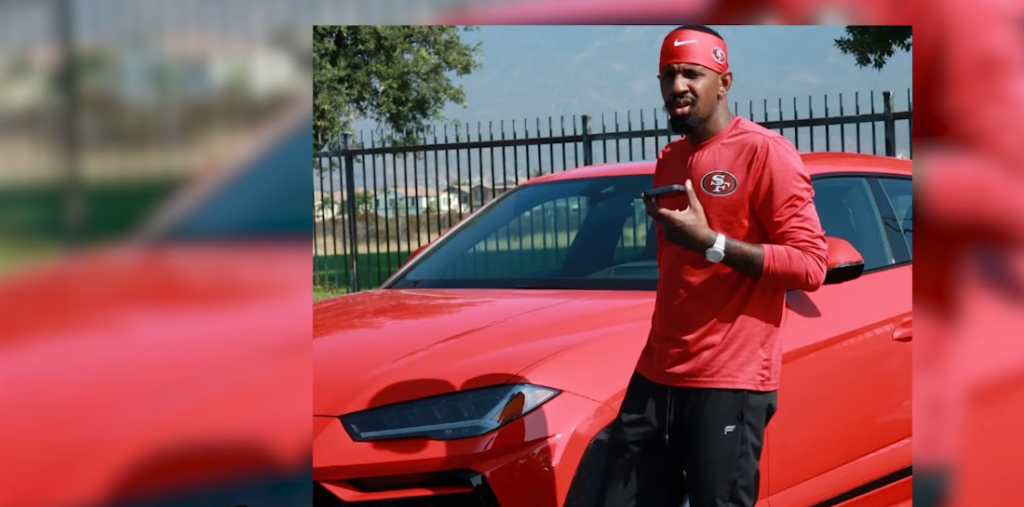
The NFL connection was a big part of how credibility was built. Investigators say Love posted pictures of himself with 49ers helmets, team shirts, and other gear that seemed to be meant to help people recognize him. He is even said to have shown at least one victim an AI-generated search result that showed him as a 49ers player. When asked about it, he is said to have said, “That’s Google.” “That’s Google, not me.” It’s an odd moment that shows how much the plan relied on the NFL name. There is an air of legitimacy around the league. It looks like Love knew that.
As you read about the case, you get the sense that the women who were targeted weren’t naive. They were tricked by someone who had put in a lot of work to look trustworthy. This person knew that a romantic connection, a well-known institution, and fake financial proof were all powerful ingredients for a con artist. Love would just block a victim when they asked too many questions or ran out of money. No money was ever paid back.
That day, Chan flew from California to Boise to meet Love. They were waiting for the FBI and other police. The feds have taken both men into custody.
It is important to make it clear that the San Francisco 49ers were not involved in the scheme. Because their name was important, it was used without their knowledge. That’s kind of what the case shows—not a flaw in any institution, but a reminder of how quickly a well-known name can be used against someone who is willing to make up a story around it. It’s still not clear how many more victims might come forward in the future. There is no doubt that the scheme went on for more than four years before it came to an end on the curb of an Idaho airport.
