

Late in the day, when the kennels are full and the staff is moving around with purpose, there’s a certain kind of quiet that settles over an animal shelter. The occasional bark can be heard echoing through the hallways, which never quite feel empty. At the Gaines Street campus of the San Diego Humane Society, that quiet means something different than at most places. It was this group’s work that helped San Diego become the largest city in the US to kill no healthy, treatable shelter animals. In 2015, that took place. Since then, they’ve kept the line every year.
Take a moment to think about what that really means. In the world of animal welfare, the phrase “zero euthanasia” is used in a variety of ways, sometimes as a goal and sometimes as a way to market something. It’s been the policy at the San Diego Humane Society for ten years, and other shelters across the county work together to support it. It took more than goodwill to get there. The school had to build five campuses, a teaching veterinary hospital, the country’s first kitten nursery, and a program that helps animals like bears and hummingbirds get back on their feet.
Since 1880, when George W. Marston and George W. Hazzard officially set up what would become the largest and oldest humane society in San Diego County, the group has been around. It’s been around for a long time for a city that sometimes forgets how young it is. Over 140 years, the group took over nearby shelters, grew to cover 14 cities, and created programs that now take care of more than 40,000 animals and pets every year. Since 2020, the Ramona Wildlife Center has been taking care of native apex predators like bobcats, coyotes, and birds of prey. It is the only place in San Diego County that has the tools to do this. That’s not a little thing.
But lately, there’s been a more important story going on. The San Diego Humane Society has taken in dozens of Yorkshire terriers from an owner who was too busy to care for them, more than 25 Huskies from someone who was about to be kicked out, nine more dogs from a property in Linda Vista, and 175 horses from a sanctuary in Julian, 48 of which are still in care. All of the shelters are full. Six of the dogs from Linda Vista had to be sent to the campus in El Cajon because San Diego was out of kennels. People are being asked to adopt, foster, or donate. It’s the kind of pressure that makes companies show what their promises really mean when things don’t go as planned.
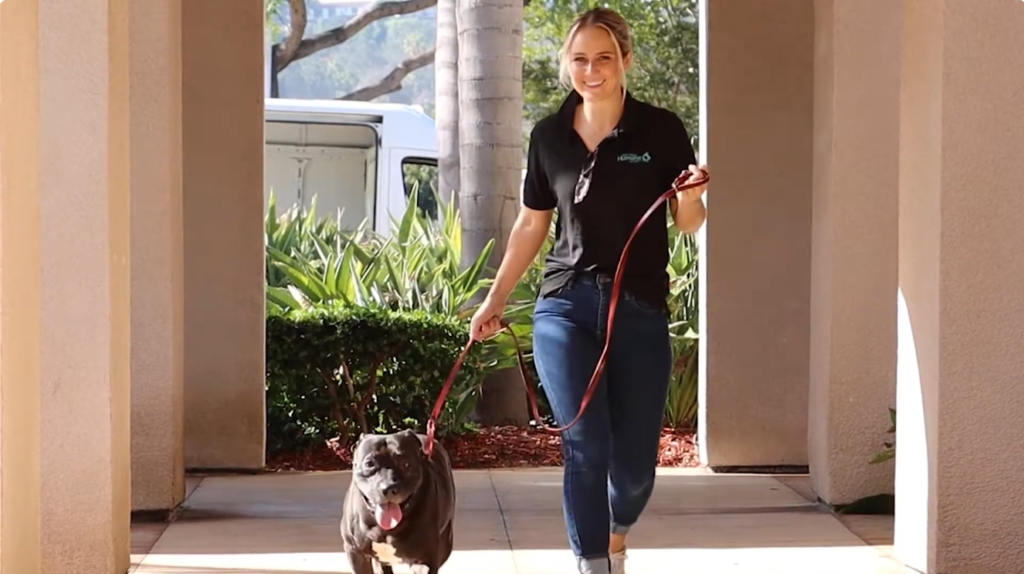
What’s going on now might be a sign of something bigger than just one wave of surrenders. These problems—unstable housing, rising vet bills, and private owners who can’t handle their animals—aren’t new, but they seem to be getting worse. In 2022, the San Diego Humane Society started the Community Veterinary Program to help bridge the gap in pet ownership costs. The program offers low-cost veterinary care to keep pets out of shelters in the first place. It’s still not clear if that program can grow quickly enough to meet the needs of the moment.
What is clear is that the company is set up to handle this kind of stress. There are more than 700 paid staff, more than 4,000 volunteer workers, and more than 100,000 calls a year for help from the Humane Law Enforcement program. Through August, adoption fees are 50% off, and on August 29, they are completely waived. The horses from Julian are still waiting. Most of them can only be bought as pets and not for riding.
Walking through any of their campuses gives you the impression that this group really does what it says it will do. The slogan “zero euthanasia” isn’t used here. They’ve built their whole business around this limitation. That’s admirable, but it can be tiring at times, for the staff, the facilities, and probably the animals who keep going through a system that won’t give up on them. What makes San Diego Humane Society worth paying attention is their stubborn refusal, even though they have a lot of money and are sometimes stretched thin.
