

It often starts out quietly. A vague feeling of pain around the stomach. You might feel a little sick after dinner, which you think is because you ate too quickly. The cramps get worse a few hours later, or sometimes a whole day later, and your fever rises. Suddenly, the bathroom becomes your best friend. Salmonella is that. And this is exactly how things go for about a million Americans every year.
Most of the time, people in the United States get food poisoning from Salmonella. Even though most people have heard of it and many have experienced it, a surprising number of people still don’t know what it does to the body or when they should start to worry about it.
Salmonella is the name of the bacteria that live in the guts of some animals. They can get into food almost anywhere between the farm and the table. Eggs and chicken that are raw or undercooked are often to blame. But it can be spread by unpasteurized dairy, produce, water that isn’t clean, and even a pet turtle or chicken in the backyard. You should feel ashamed that playing with a lizard for a few hours can leave you lying on the couch for three days.
Most of the time, symptoms appear between six hours and two days after exposure. They come in a package: pain in the stomach, fever, nausea, vomiting, and diarrhea that is sometimes bloody. A headache makes everything worse. In a very normal and physical way, it’s rough. Not dramatic, just hard work. For three to seven days, most people feel the worst of it. After that, they slowly start to feel like themselves again.
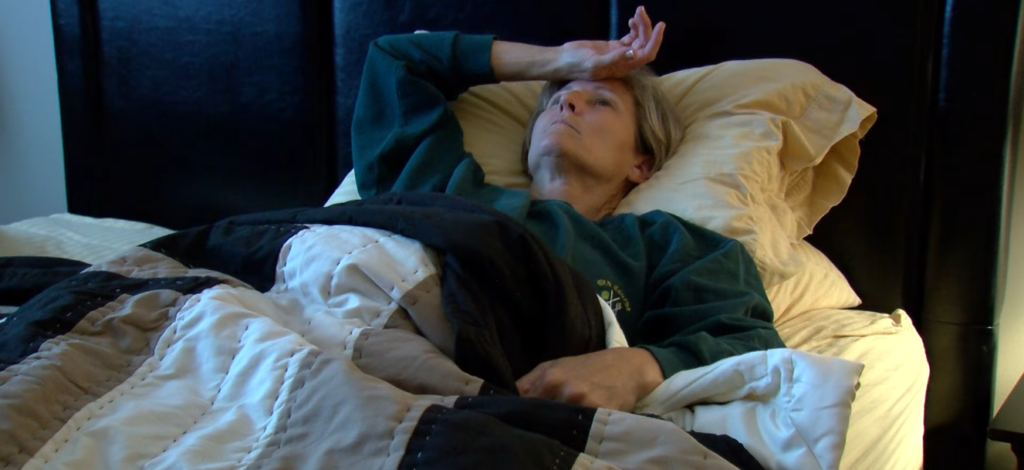
This is where lots of people go wrong. People think that rest and bland food are enough, and most of the time, they are right. But dehydration is what really puts you at risk during a salmonella infection. When you throw up and have diarrhea at the same time, your body can lose water faster than most people think. The advice is always the same and easy to understand: drink water all the time. Even though water is helpful, broth and oral rehydration solutions are better because they replace more than just water. Dehydration is the real reason why salmonella sends people to the emergency room. It sounds almost too simple to say.
Surprisingly, antibiotics are not always used as a treatment. A lot of healthy adults get better without them. Most of the time, the body gets rid of the infection on its own if you let it. People who are very sick, don’t have strong immune systems, or have conditions like sickle cell disease might be given antibiotics by their doctor, but for most people, medicine isn’t a part of the picture. So, if your symptoms don’t get better after a few days, if you have blood in your stool, a high fever that won’t go away, or signs of dehydration like feeling dizzy and having very dark urine, you should see a doctor right away.
It’s not common, but it’s good to know about complications. Bacteremia, which is when the bacteria get into the bloodstream, can make the infection spread to other parts of the body from the gut. Reactive arthritis is another type. In this condition, the immune system tries to fight an infection but instead causes inflammation in the eyes and joints weeks later. These things don’t happen very often, but they happen more often to kids younger than 5, older people, and people whose immune systems aren’t strong enough. More than others, those groups shouldn’t try to ride it out without medical help.
To be honest, prevention comes down to things that most people already know but don’t always do. Washing hands properly after handling raw meat or touching animals. Getting the chicken fully cooked. Drinking milk that hasn’t been pasteurized. Keeping pet homes away from surfaces in the kitchen. The rules aren’t hard; you just have to follow them every time, which is harder than it sounds during the busy week when dinner is already half-way made.
Salmonella is kind of annoying because it can be stopped so many times, but it keeps happening on a large scale. A tainted batch of eggs or a vegetable that wasn’t handled properly at a processing plant can make dozens or even hundreds of people sick in several states at once. Cases by themselves don’t usually make the news, but outbreaks do, and they often show how many weak spots there are between a farm and a kitchen table. That number might go down a lot if people were just more aware of it and took the basics a little more seriously.
When someone gets salmonella, most of them get better quickly and can make the same sandwiches and handle the same animals without harm. But the week it takes to get there is really bad, and it can even be dangerous sometimes. Perhaps the most useful thing that anyone can take away from this is the difference between “uncomfortable but manageable” and “needs medical attention.”
