

It’s likely that most shoppers didn’t notice when Wegmans quietly took bags of Lundberg Family Farms jasmine white rice off the shelves in April. When a stack of two-pound bags falls off a grocery store shelf, most people don’t stop to look. But four months later, the U.S. Food and Drug Administration changed the size of the recall from what it said at first. It now includes over 54,000 pounds of rice, or 27,324 packages, spread out across twelve states. There’s a big mistake there. That is a big addition to a recall that didn’t get the attention it deserved.
It’s Lundberg Family Farms White Rice Jasmine, which comes in 32-ounce bags and has the UPC code 073416040281. There are two lots in question: 260201MA, which has a best-before date of February 1, 2027, and 260202MA, which has a best-before date of February 2, 2027. You could find the rice in stores in California, Connecticut, Florida, Illinois, North Carolina, New Hampshire, New York, Pennsylvania, Tennessee, Vermont, Washington, and Wisconsin. It was sold at Wegmans, along with Walmart and Target. This wasn’t a small-batch product made in a small area. There were some of the biggest stores in the country that sold it.
The possible presence of foreign material is given as the reason for the recall. People who follow food safety news will understand how frustrating it is that the exact nature of that material has not been made public. In this kind of situation, stones, metal fragments, wood, or plastic are common offenders that can get into grain while it is being harvested or processed. It’s hard to know how seriously to take the risk without more information. The FDA has called this a Class II recall, which means that eating the recalled product could have short-term or medically reversible health effects, but it is not likely to cause serious harm. That’s a classification with a lower risk, but it’s still not nothing.
The tricky part of this recall is that the bags in question have “best-before” dates that go all the way into 2027. It takes a while for rice to go bad. It gets put away in the back of a cabinet and forgotten about for months. There might be no sign that anything is wrong with a bag that was bought in the spring that is still sitting in a pantry. It’s important to note that some of those bags had been in people’s homes for several months before the FDA update in August.
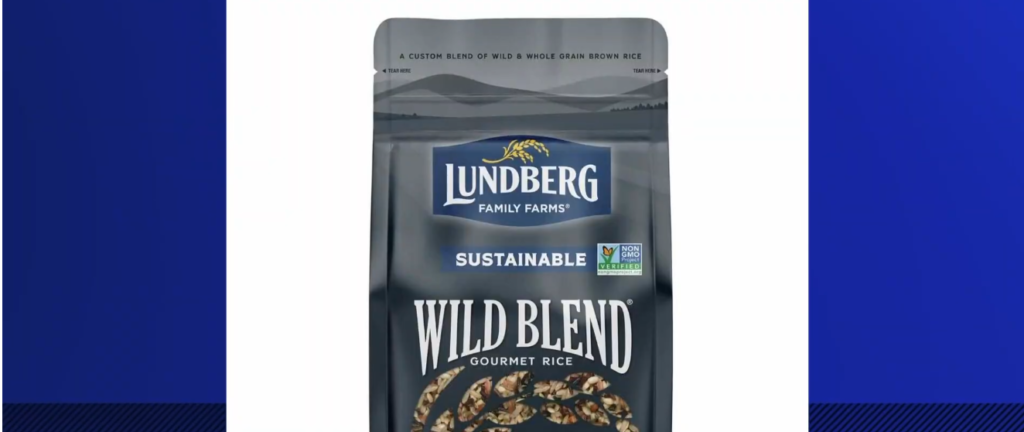
Wehah Farms owns Lundberg Family Farms, which is based in California. The brand has a strong reputation in the natural and organic food space over many years. Their goods can be found in both natural grocery stores and big-box stores. It’s still not clear how the contamination got into the supply chain, and the company hasn’t said what caused it in public. Companies usually choose to recall their products before the FDA forces them to. This seems to be the case here, which is the right thing to do, but it doesn’t make the contamination any less of a problem.
It’s easy to tell people not to eat the affected rice if they have it at home. Get rid of it. Wegmans has given full refunds for things bought in its stores. People who bought the rice at other stores should call the store they bought it from to find out how they handle returns.
It seems like food recalls for everyday items like rice aren’t taken as seriously as recalls for deli meat or leafy greens that are linked to an active outbreak. Rice is safe. It always stays fresh because it is dry and sealed. But that assumption should be looked into, especially since 27,000 bags of a contaminated product could still be in homes in 12 states, even though most of them probably look fine.
