

A certain kind of fame latches on to a person early on, wraps itself around a single image, and then won’t let go for decades. For Ralph Macchio, that picture is a teen standing on one leg in the sun in California with his arm raised, ready to strike. That scene was filmed when he was 22 years old. He is now sixty years old. He’s still that kid in some strange way.
Macchio was born in Huntington, New York, in 1961. He grew up in a quiet suburban area that doesn’t really scream stardom. His dad owned laundromats and a business that got rid of waste water. At age three, Ralph learned to tap dance. At age sixteen, a talent agent found him. Almost too many of the details are everyday, which may be one reason why he connected so well with audiences: he didn’t seem fake.
In 1980, the last season of Eight Is Enough gave him his first major TV role. But it was Francis Ford Coppola’s The Outsiders in 1983 that really changed everything. It’s hard to believe that Tom Cruise, Patrick Swayze, Rob Lowe, Matt Dillon, and Emilio Estevez are all in the same movie. Mackio played Johnny Cade, a sensitive and doomed man, and he did well with actors who would go on to define a generation of movies. It was a quiet start to what came next after that performance.
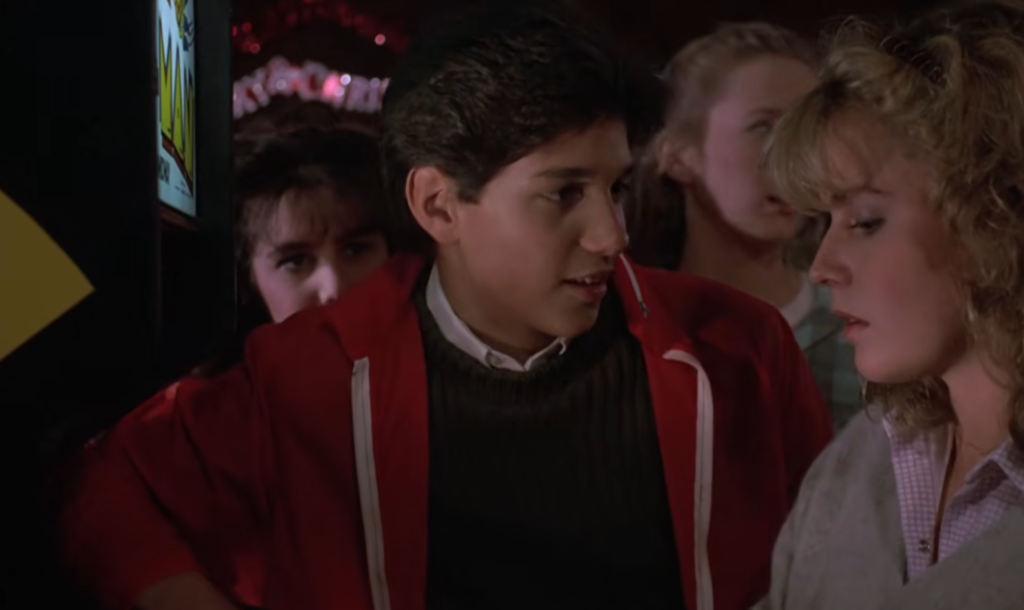
When The Karate Kid came out in the summer of 1984, Ralph Macchio was, in his own words, “stratospherically famous.” He played Daniel LaRusso, who was 17 years old, when he was 22 years old. This was a pattern that would run through much of his early career: he played younger than his years with ease that was both a gift and, eventually, a strange kind of trap. Daniel moved to California from New Jersey and had to deal with its harshness. He learned from a man named Miyagi that discipline is its own kind of dignity. It seems easy. It didn’t feel easy to watch. Macchio beat Morita beat for beat, and Morita brought something real and worn to Mr. Miyagi. Their chemistry didn’t seem fake; it seemed like it happened naturally on set, in the breaks between takes.
The follow-ups came out quickly. Daniel and Miyagi went to Okinawa in Karate Kid Part II, and Macchio has been honest about how that time felt like a roller coaster that was going too fast to fully enjoy. Part of his mind wanted to stop, but the other part was just holding on. He has said that he wishes he had taken more deep breaths and been more present. The feeling of youth burning through experience before wisdom has a chance to catch up is one that most people know. Kumiko, played by Tamlyn Tomita, was introduced in Part II. Macchio has made it clear in interviews that he thinks Daniel and Kumiko should have ended up together. The way he talks about it shows a quiet regret. It’s not anger, but the kind of nagging “what if” that stays with a story long after it’s over.
In 2018, the sequel series Cobra Kai came out. It did something that the movies never quite got right: it let Daniel LaRusso be complicated. Both the Emmys and Critics’ Choice Awards were given to Macchio for the role, which is a big deal for a character that many people thought would only exist in memories. The show went back to Kumiko, gave the bad guy Johnny Lawrence more depth, and asked more serious questions about who the real kid was the whole time. It’s possible that Cobra Kai tells the fullest Karate Kid story—one that is messier, more honest, and harder to sum up on a poster.
Macchio got a star on the Hollywood Walk of Fame in 2024. Some people thought it was overdue, but he’d probably brush that off. It seems right that the recognition came not at the height of their first fame, but after a career that kept finding new reasons to be important. Mackio once said that the yellow 1947 Ford convertible that Mr. Miyagi gave Daniel in the first movie had been sitting in his garage. Even though it’s small, it says something. He kept it. Keep some things close to your heart.
