

In one version of this tale, everything turns out well. In a Barcelona restaurant, Pep Guardiola accepts the Italy position for a little less than his predecessor’s salary, takes out a notepad, and begins sketching formations, and Italian football quietly starts its long-overdue reset. From the technical director’s chair, Paolo Maldini, the mastermind behind it all, observes. That was not the case. According to Maldini, it was excruciatingly close.
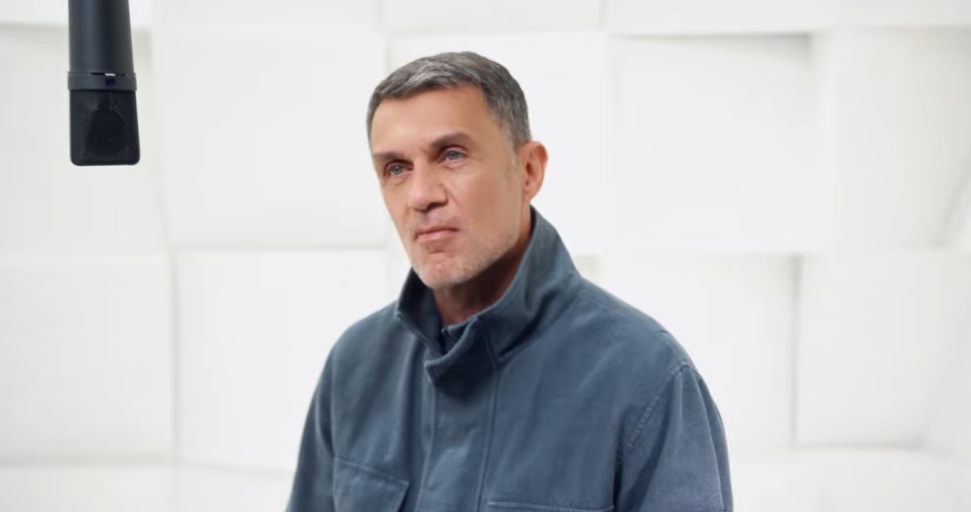
The 58-year-old former defender discussed his brief, tumultuous tenure as Italy’s technical director in a lengthy interview with Corriere della Sera. He accepted the position because, in his own words, there are only two things in football that matter to him: AC Milan and the national team. Beyond that, no lofty goals. Avoid playing with your ego. Just two organizations, and the conviction that he could help one of them.
The next two weeks were hardly long. However, the information that surfaced during that brief window is truly intriguing.
Guardiola met with Maldini and his longtime partner Leonardo in Barcelona. According to Maldini, the discussion went deeper than most people were aware. Together, they examined squads ranging from under-17 to elite. Guardiola began jotting down lineups. The former Manchester City manager allegedly said something like, “Give me one euro less than the last coach and we’re good,” when it came to money. That sentence might say more about Guardiola’s genuine interest in the position than anything else. This man wasn’t using a federation as a plaything. He had an engagement.
However, Guardiola had just finished ten demanding years in the Premier League. He had undergone back surgery. He desired to spend time with his loved ones. And ultimately, that exhaustion prevailed. Reading between the lines gives the impression that Maldini completely respects that; there is no resentment or suggestion that the federation ought to have exerted more pressure. Just an admission that it didn’t occur.
After Guardiola left, Maldini looked at Andrea Pirlo. His reasoning was as straightforward as usual: what was the coaching track record of the previous two World Cup-winning managers prior to their competitions? Lionel Scaloni had been picking up knowledge while working. Outside of Spain, Luis de la Fuente was hardly a household name. Pirlo, in Maldini’s opinion, was technically prepared, temperamentally appropriate, and symbolically appropriate for the identity he wished to create: technical, attacking, and free from the defensive orthodoxy that has characterized Italian football for many years.
The controversy surrounding Pirlo’s betting company? Maldini wrote it off as a ruse. He claimed that Pirlo was prepared to sever ties with the company right away. There was no legal problem. It’s difficult to ignore the fact that he seems frustrated in this situation. Institutions look for an excuse to obstruct a decision.
At first, it seemed that Maldini and Federation President Malagò had a fairly clear agreement: Maldini would select the coach, and Malagò would give his approval. That structure is feasible. Then it was different. Maldini responded right away, tho the details of how it changed aren’t fully explained. He refrained from renegotiating. He didn’t change. He resigned, or more accurately, he refused to sign the four-year contract that was due on August 1st.
That choice reveals something about the man. Maldini has developed a reputation for doing things correctly throughout his adult life. Five years in the boardroom and twenty-five years as a player at Milan. He is aware of the distinction between a position with actual authority and one that only exists on paper. The latter did not pique his interest.
Amidst the chaos, Roberto Mancini, of all people, has returned to his position in Italy. It’s up for debate whether that’s the right decision. The picture of Guardiola writing formations in a Barcelona café and speculating about what might have happened if the system had just upheld its agreements is more difficult to forget.
