

Around the Sagamore Bridge, there is a time when the air changes. There is a slight difference—a little saltier and a little looser—and anyone who has made that crossing in late June knows what it means. Cape Cod is now in summer. For hundreds of years, people have been drawn to the peninsula that goes 65 miles into the Atlantic Ocean from the southeast corner of Massachusetts. It still doesn’t feel tired.
This whole piece of land wasn’t always called Cape Cod. It was only the very tip of the peninsula that the name was given to by Bartholomew Gosnold in 1602. This makes it the ninth-oldest English place name in the country. The name didn’t mean much for more than a hundred years, but slowly the land east of the old Manomet and Scusset rivers came to know it. When the canal was finished in 1916, the job was done. It went across the base of the peninsula for about seven miles, cutting off most of the Cape from the mainland and making it feel like an island, even though it’s not really one.
In Barnstable County, there are fifteen towns. They are spread out from Bourne and Sandwich, which are near the canal, to Chatham, Truro, and Provincetown, which is at the very northeastern tip. Each town has its own personality. You can feel the quiet scientific energy in Woods Hole. Falmouth is practical and not rushed. Provincetown is not at all like other places. It is loud, colorful, defiant, and proud of all of these things. It’s hard not to notice how different each town has stayed over the years, even though summer tourism has pushed everything to become the same.
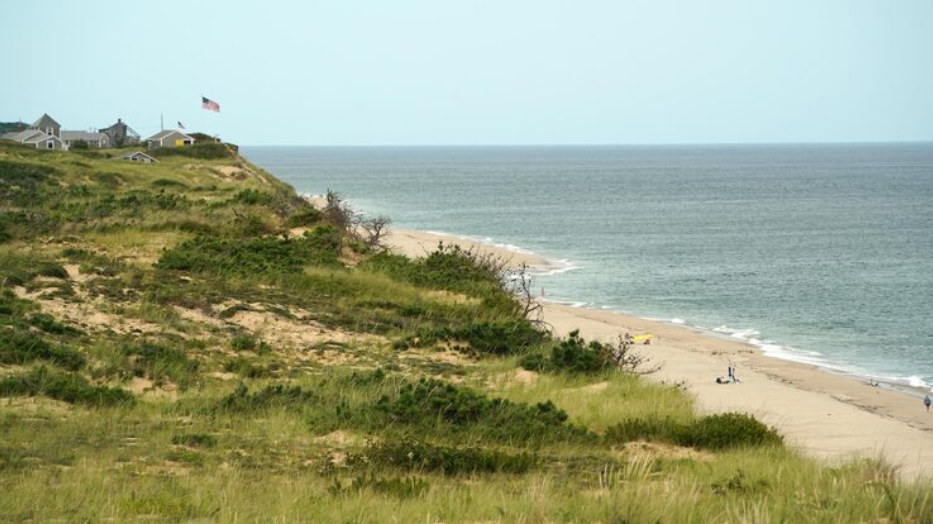
Most people who visit Cape Cod never think about what makes its rocks unique. The land was formed by glaciers. It is called terminal moraine, and it was left behind at the southernmost edge of the ice in southeast New England. This is similar to how Long Island and Block Island were formed further south. The dunes along Sandy Neck and the tidal marshes, which don’t seem to have changed over time, give the land an old-fashioned feel. When you stand near the water on a gray October morning, you can picture how the land must have looked before all the people came in the summer.
Nantucket and Martha’s Vineyard, which are south of the Cape, also follow a similar path. Both towns used to be whaling and trading ports, but now they are resorts for rich families, famous people, and people who just want to spend their money somewhere nice. A different kind of wealth lives on the Elizabeth Islands, many of which are privately owned. The Forbes family has owned Naushon Island for a long time. This is typical of powerful families in New England who keep land close to them and don’t change it much. This might be part of what the whole area means: stability, continuity, and an America that doesn’t want to change.
Cape Cod has become one of the most popular places in New England to retire. Over 31% of the people living in Barnstable County are 65 or older, and the average age of residents is the highest in the region. Because of this, everything is affected: the pace of daily life, the types of businesses that are open all year, and the political leanings, which are mostly Democratic but not as much as in the rest of Massachusetts. It seems like the Cape has found a version of itself that it’s happy with, even if that happiness comes with housing costs that younger residents feel very strongly.
Cape Cod Bay is between the peninsula and the mainland. To the north, a line runs from Provincetown to Marshfield along the bay. To the north, just five miles, you can find Massachusetts Bay and the Stellwagen Bank National Marine Sanctuary. The old trade route between New York and Boston was cut by 62 miles when the canal was built to connect Buzzards Bay to Cape Cod Bay. As you watch the pleasure boats go by on a hot August afternoon, it’s easy to forget that this waterway was built for business and industry, not for fun.
A question that is asked by all generations is whether the Cape is changing. The answer is always the same: a little, but not really. Still, the bridges back up. There are still lots of fish tacos around. People who have never swum in the Atlantic off of New England are surprised by how cold the water is still. Some things stay the same.
