

Ryan Upchurch became well-known by speaking without a script, something that many entertainers are afraid to do. His music has a rebellious beat, and his social media posts show a man who doesn’t care about rules. However, his genuineness has dragged him into one of the most widely watched court cases involving a YouTuber in recent memory. The lawsuits brought against him highlight the conflict between public responsibility, internet influence, and free expression.
The family of Kiely Rodni, a missing teen, filed the first case in the Middle District of Tennessee. After Upchurch allegedly made disparaging remarks about their fundraising efforts, the family, represented by DRS Law, accused him of defamation. According to the court documents, Upchurch’s remarks implied that the family had participated in fraudulent GoFundMe activities, which they deemed to be extremely damaging and untrue. His films, which were viewed by millions of people, quickly went viral on internet platforms, igniting interest and indignation.
Upchurch’s identity as a creative was fundamentally impacted by the litigation. He defended his comments by saying they were opinions rather than factual allegations. His lawyers referred to the case as an overreach that jeopardizes the freedom of skepticism enjoyed by all Americans. They said that prohibiting such speech would create a risky precedent by citing First Amendment privileges. Despite his inflammatory tone, he said in his attempt to dismiss the claim that it was not legally defamatory.
| Category | Information |
|---|---|
| Full Name | Ryan Edward Upchurch |
| Date of Birth | May 24, 1991 |
| Profession | Musician, YouTuber, Comedian, Social Media Personality |
| Known For | Country rap music, comedy videos, outspoken online commentary |
| Birthplace | Cheatham County, Tennessee, USA |
| Career Highlights | Albums Heart of America, Son of the South, Creeker; millions of online followers |
| Associated With | Redneck Nation, Upchurch LLC |
| Legal Issue | Multiple defamation lawsuits filed in Tennessee federal court |
| Reference | https://www.drslawfirm.com |
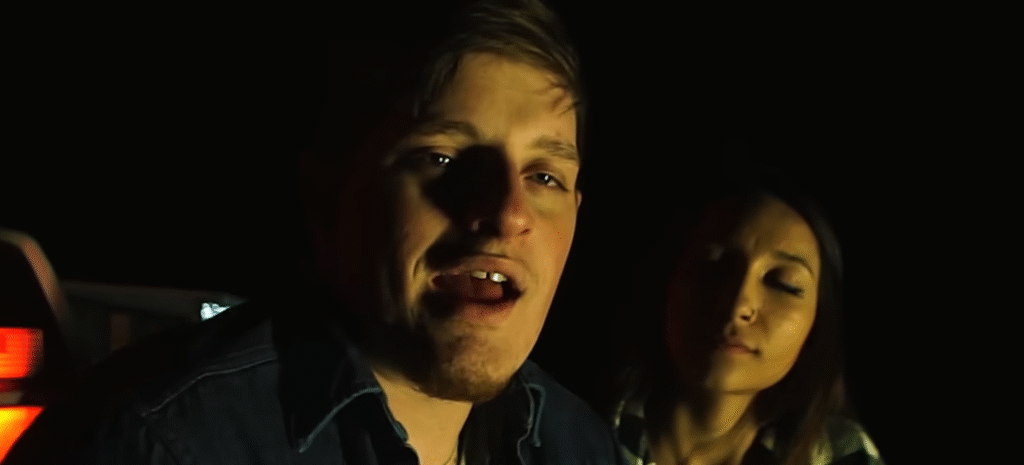
According to court documents, Upchurch acknowledged the proceedings but remained confident in his case until he formally renounced service in August 2023. His legal team, which was headed by lawyers Austin Correll and Cynthia Sherwood, produced thorough memoranda and asked for longer deadlines, arguing that even contentious speech shouldn’t be punished by defamation rules. Plaintiffs Daniel Rodni and David Robertson’s lawyers, on the other hand, highlighted the personal toll of being misled in public, particularly when grief and reputation are intertwined.
Judge William L. Campbell Jr. granted an order for the case to proceed by the end of 2023. The ruling affirmed that the family’s complaint satisfied the requirements for additional consideration but did not establish guilt or innocence. According to the case management order, which detailed months of discovery, computer forensics, social media analytics, and testimony would all be crucial in establishing culpability.
Cedeno v. Upchurch, a second case, had a remarkably similar structure. It was filed by a different person connected to the Rodni family and claimed that Upchurch’s social media comments caused quantifiable damage to his reputation. These cases piqued the eye of the legal world because they show a developing trend in which influencers who were previously exempt from traditional examination are now subject to journalistic norms. Upchurch’s move to dismiss was denied by the court, indicating that defamation laws still apply to online personalities.
The cultural background of the Upchurch litigation is what makes them particularly intriguing. Creators with sizable followings are now able to alter stories more quickly than traditional media, and online opinion has grown into a potent social force. Upchurch’s case is about how the law responds to both public and private speech, not just whether he went too far. Opinion is extremely powerful in the internet age; it can be both inspirational and destructive.
Upchurch told followers that the litigation were enlightening but also burdensome. He talked about how he still posts, sings, and performs despite his legal bills having soared. His devoted and vocal supporters portray the conflict as a struggle for artistic autonomy. They consider his opposition to be especially creative—a defense of uniqueness against what they perceive to be institutional repression. However, detractors contend that responsibility is necessary for power and that his remarks have repercussions because so many people pay attention.
A new media environment where artists and investigators use the same platforms is also revealed by these lawsuits. Upchurch’s material frequently combines comedy, conspiracy theories, and community discussion, illustrating how hazy the distinction between advocacy and entertainment has become. An immediacy that is both potent and dangerous has been created by the rise of YouTube commentary channels, which have drastically shortened the gap between creator and audience. Even a casual comment can turn into a lawsuit in this setting in a matter of days.
The cultural similarities are striking. The Upchurch case brings to mind past instances where defamation and celebrity intersected, such as when Alex Jones was sued for remarks made about Sandy Hook or when Johnny Depp and Amber Heard redefined the way private lawsuits are handled in public courts. Together, these incidents demonstrate how, in the digital age, celebrity can act as a danger multiplier as well as an amplifier. Transparency is the price of influence for authors, and each word becomes proof of intent.
Observers note that Upchurch’s legal issues may change how social media companies filter user-generated content. Algorithms frequently favor divisive viewpoints because they are designed for engagement rather than accuracy. In this way, debate is exacerbated in part by the system itself. According to legal experts, the decisions made in these cases could serve as the basis for future rules that guarantee the freedom and equity of online speech.
Upchurch is still incredibly successful at mobilizing his fan following in spite of his legal troubles. Millions of people are drawn to him because of his genuine charm. He is viewed by many as a contemporary criminal who isn’t scared to challenge authorities. Beneath that disobedience, however, is a universal lesson: although communication is free, the consequences can be expensive. Despite being personal in nature, the cases against him have wider societal ramifications. They demonstrate how, if handled improperly, attention—the most potent currency on the internet—can turn into a liability.
Upchurch’s situation has spurred discussion about how musicians deal with popularity outside of the purview of traditional media in the music industry. His strategy has been remarkably autonomous and effective, eluding the gatekeepers of the mainstream and achieving popularity through direct fan interaction. Although liberating, that independence offers little protection. Artists like Upchurch face direct legal exposure in the absence of corporate institutions to absorb backlash, discovering the hard way that legal literacy is necessary for freedom of expression.
