

“When The Levees Broke: A Requiem in Four Acts” by Spike Lee is more than just a documentary; it is a painstakingly crafted account of loss, resiliency, and responsibility. It became a historical anchor for one of the most catastrophic urban tragedies in American history, shot with a sense of urgency that reflected the chaos of its subject.
Official reports, grassroots voices, and cultural touchstones were all combined by Lee to create what resembled a lengthy civic hearing. The stories of shopkeepers, teachers, displaced families, politicians, historians, engineers, and musicians blend together until the audience starts to understand the scope of the catastrophe on a deeply personal and civic level.
The cause is presented in the story without hesitation. According to expert interviews with John M. Barry and Ivor van Heerden, levee failures were the consequence of avoidable design and maintenance errors rather than the unavoidable force of a hurricane. Because it reframes the disaster as one of infrastructure and policy rather than just nature, this truth is especially helpful for future urban planning.
Bio / Production Table
| Attribute | Details |
|---|---|
| Title | When The Levees Broke: A Requiem in Four Acts |
| Director | Spike Lee |
| Theme Music Composer | Terence Blanchard |
| Country of Origin | United States |
| Original Language | English |
| Number of Episodes | 4 |
| Running Time | 255 minutes |
| Production Company | 40 Acres and a Mule Filmworks |
| Original Network | HBO |
| Original Release | August 21–22, 2006 |
| Awards | 3 Primetime Emmy Awards, Peabody Award, NAACP Image Award |
| IMDb Rating | 8.5/10 |
| Rotten Tomatoes | 94% |
| Reference Link | https://en.wikipedia.org/wiki/When_the_Levees_Broke |
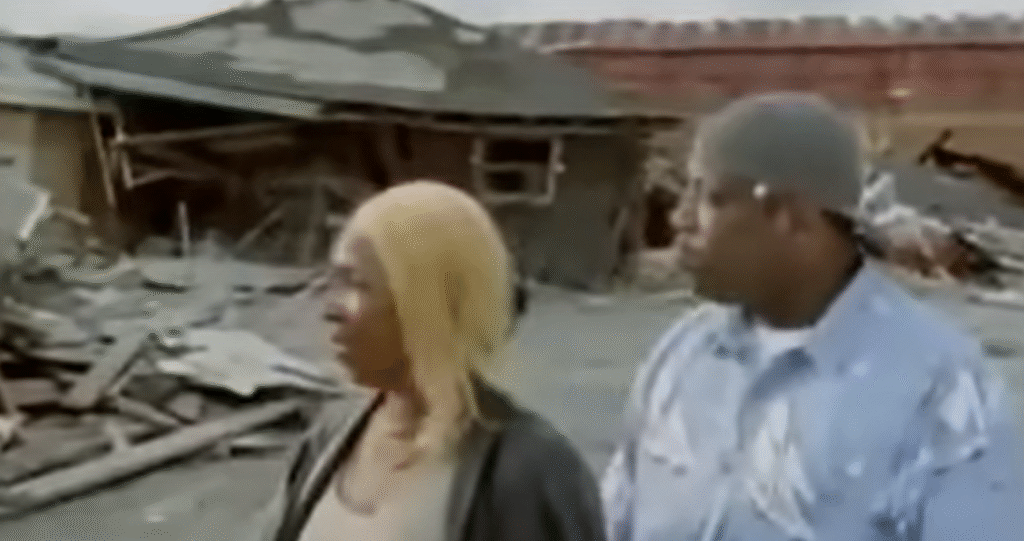
The film’s ability to combine unvarnished, firsthand recollections with a more comprehensive cultural perspective is what makes it unique. By using Terence Blanchard’s moving score throughout, Lee gives the movie a sense of emotional coherence and enables audiences to process the graphic images with music that is both defiant and melancholy. The way that cultural identity and personal loss are intertwined is exemplified by Blanchard’s own return to his flooded home, which was caught on camera.
Celebrity involvement served a practical purpose in attracting national attention rather than being purely decorative. Public urgency was increased by Sean Penn’s direct rescue efforts, Kanye West’s spontaneous declaration about political neglect, and Harry Belafonte’s analysis of structural injustice. By carefully selecting these voices, Lee broadened the documentary’s audience and made sure the discussion went well beyond New Orleans.
However, the movie has a forward-looking tone in spite of its harsh critique of institutional shortcomings. It honors locals who stayed, rebuilt, and brought back customs that were on the verge of being lost. Neighborhood get-togethers, second-line parades, and brass bands all seem to be cultural reclamation efforts—remarkably powerful symbols of resistance to erasure.
The movie is now a very effective teaching tool in educational settings. It is cited by academic institutions, advocacy organizations, and urban planners when talking about racial equity, infrastructure resilience, and disaster preparedness. It continues to be a focal point for activists’ campaigns to hold organizations like the Army Corps of Engineers responsible, a cause that has significantly raised public awareness of engineering ethics.
Five years later, many of the same people were revisited for the follow-up project, “If God Is Willing and Da Creek Don’t Rise,” which served as a sobering reminder that recovery is measured in decades rather than months. It demonstrated that although physical harm can be fixed, the psychological and economic fallout are very accurate predictors of how societies recover—or not—from calamities.
In terms of culture, the documentary is consistent with other instances in which art acted as a stimulant for policy contemplation. Like memorial projects for 9/11 or photography exhibits after the war, it uses narrative to provoke discussion about the kind of country we want to be when put to the test. Thus, the film’s legacy is not confined to 2006; it continues to play a significant role in discussions concerning equitable urban development and climate change adaptation today.
The title’s metaphor, which is taken from the blues song “When the Levee Breaks” from 1927, is not just poetic; it is also a warning. It implies that Katrina’s vulnerabilities are not specific to New Orleans. A similar outcome could befall any coastal city with deteriorating infrastructure and political complacency. This awareness is especially creative in influencing how prevention and recovery are discussed in future policy discussions.
Viewers are left with a call to vigilance rather than just sympathy when the credits roll. Remembering what happened is not enough; we also need to make sure that the same structural flaws, both political and physical, are not permitted to persist. In this way, “When The Levees Broke” serves as a guide for what needs to be preserved as well as a memorial for what was lost.
