

In April, Jennifer Coffindaffer received the initial email. She remained silent in public. She waited with her head down and reported it to the FBI. After 28 years in federal law enforcement, you have that level of discipline: you don’t announce every development and you don’t let the noise overshadow the facts. However, the computation was completely altered when she learned that Nancy Guthrie’s neighbor had received something almost identical.
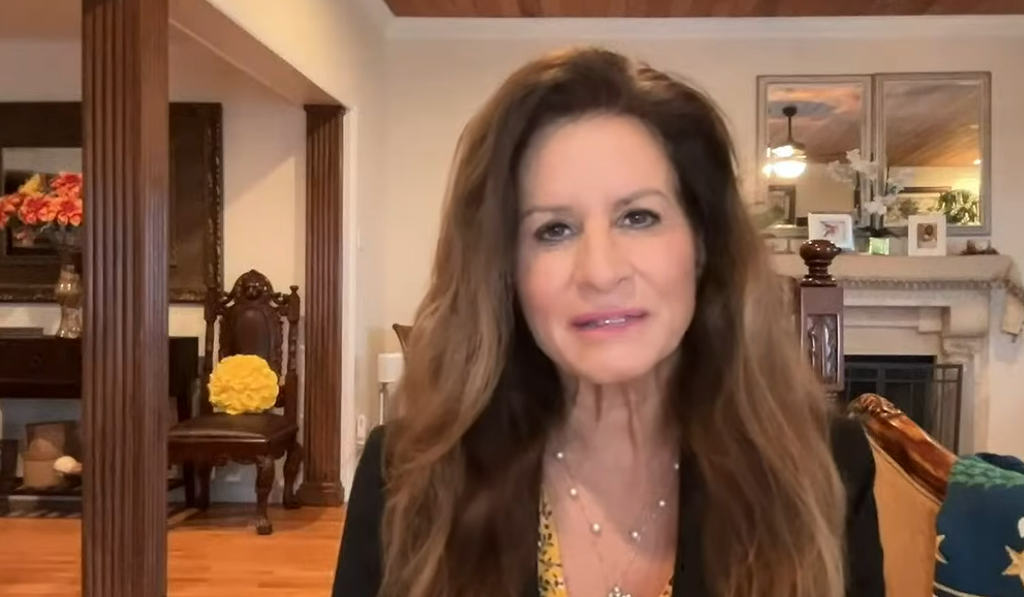
In relation to the disappearance of
| Field | Detail |
|---|---|
| Full Name | Jennifer Coffindaffer |
| Professional Background | Retired FBI Special Agent — 28 years of service |
| Education | Bachelor of Science (Magna Cum Laude), Wichita State University, 1988; studied nursing at Mount Vernon Nazarene University and North Central State College |
| FBI Training | FBI Academy, Quantico |
| FBI Specializations | Violent Crimes, Terrorism, Organized Crime, Nuclear Counterproliferation, Gang & Narcotics Investigations |
| SWAT Experience | Member of FBI Special Weapons and Tactics (SWAT) Team |
| Certifications | Emergency Medical Technician (2003–present); Texas License to Carry Instructor; Personal Protection Specialist; Florida Concealed Carry License |
| Security Clearance (Former) | Top Secret // HCS/SI-G/TK |
| Court Testimony | Testified 200+ times before Federal Grand Juries and in federal hearings and trials |
| Current Role | Law & Justice Contributor, NewsNation (since March 2023) |
| Expert Witness Affiliation | Eagle Security Group, Fredericksburg, Virginia |
| Podcast | Breaking the Case with Jen Coffindaffer FBI (YouTube & Spotify) |
| Social Media | @CoffindafferFBI on X (119,800+ followers) |
| Location | Roanoke, Texas, United States |
| Nancy Guthrie Case Involvement | Received 4 ransom emails in April; reported to FBI; went public after a neighbor received similar notes |
| Ransom Note Details | Demanded 1–2 bitcoin (~$60,000–$80,000 per coin); included manipulated image of apparent victim and Bible verses |
| FBI Assessment of Notes | Bitcoin address did not match addresses on notes believed to be from actual abductors |
| Personal Religion | Devout Catholic (referenced in context of how scammers targeted her beliefs) |
| Areas of Expert Witness Work | Use of Force, Firearms Training, Tactical Training, Active Shooter, Gang/Narcotics, Law Enforcement Shooting |
, the 84-year-old mother of Today show anchor Savanna Guthrie, who disappeared from her Tucson, Arizona home in the early hours of February 1, Coffindaffer, a retired FBI Special Agent and law and justice contributor for NewsNation, claims she received four ransom emails. The emails included what appeared to be a manipulated image of an elderly woman looking distressed, with dirt on her face and a tear streaming down her cheek, and demanded payment in bitcoin, one or two coins, which were worth about $60,000 each at the time. Clearly intended to give the impression that the recipient was the only thing preventing Nancy Guthrie from doing worse.
The content was not the reason Coffindaffer took the notes seriously enough to report them. The delivery was the cause. The email ended up in one of her five personal inboxes, the only one she doesn’t use for business correspondence, and one that she claims can’t be found by a public search. Her team attempted to find it but was unsuccessful. Someone or a group had done more than just a quick internet search. Bible verses that appeared to be tailored to her known religious beliefs were also included in the notes. “I’m a devout Catholic,” she replied, “and they certainly worked that angle.” That might just be a coincidence. It doesn’t seem like it.
The FBI verified that the bitcoin address on her notes did not correspond to addresses linked to what investigators think might have been authentic ransom letters from Guthrie’s real kidnappers. That distinction is very important. It implies that the person who sent these to Coffindaffer was probably operating a different, self-serving plan, keeping an eye on the case as it developed in the media and focusing on public figures who had spoken out about the investigation. Coffindaffer was visible in the coverage because she had been providing commentary and analysis on NewsNation. Apparently, she became a target because of her visibility.
She remained silent until Lauren Serpa, Nancy Guthrie’s neighbor in Tucson, shared on Facebook that she had received a nearly identical note with an almost identical image. Coffindaffer’s decision to go public was prompted by that post. “I was concerned that now other people might be contacted and might fall for the ploy,” she replied. She wasn’t concerned enough about her own predicament to speak out, but she felt obligated to alert civilians as soon as it appeared to be a possible pattern that could affect them. There’s something almost distinctively methodical about that reasoning. It’s a very particular set of professional intuitions in action.
The ransom email story makes much more sense when we take a step back and examine Jennifer Coffindaffer’s true identity. She earned a magna cum laude nursing degree from Wichita State University in 1988, an unusual beginning for someone who would later join the FBI’s SWAT team, train hundreds of law enforcement officers in Texas, Florida, Puerto Rico, and Washington, D.C., and testify before federal grand juries over 200 times. She was cleared for Top Secret. She worked in organized crime, violent crime, nuclear counterproliferation, and counterterrorism. In other words, she doesn’t get scared easily.
Unlike most agents, Coffindaffer pursued a second career after leaving the FBI. She became an expert witness and consultant for Eagle Security Group in Fredericksburg, Virginia, where she testified in civil cases involving the use of force and the actions of law enforcement. In addition, she covers high-profile criminal cases on her podcast, Breaking the Case, with the same analytical candor that she uses on television. Since starting her position with NewsNation in March 2023, she has established herself as a well-known voice on cases involving violent crimes, missing persons, and cases that typically garner a lot of public attention.
Observing her work gives the impression that Coffindaffer occupies a unique space; she is not quite a pundit, not quite an investigator, and not quite a journalist, but rather something that draws from all three. She speaks with the authority of someone who has done the work themselves, which is more uncommon than it ought to be in cable news commentary. It’s an intriguing and somewhat unsettling question as to whether her authority makes her more of a target for con artists operating ransom schemes. How well-organized this specific group is and how many other people might have received similar notes are still unknown. However, Coffindaffer appears less alarmed than most, having spent thirty years pursuing individuals who believed they were smarter than law enforcement.
