

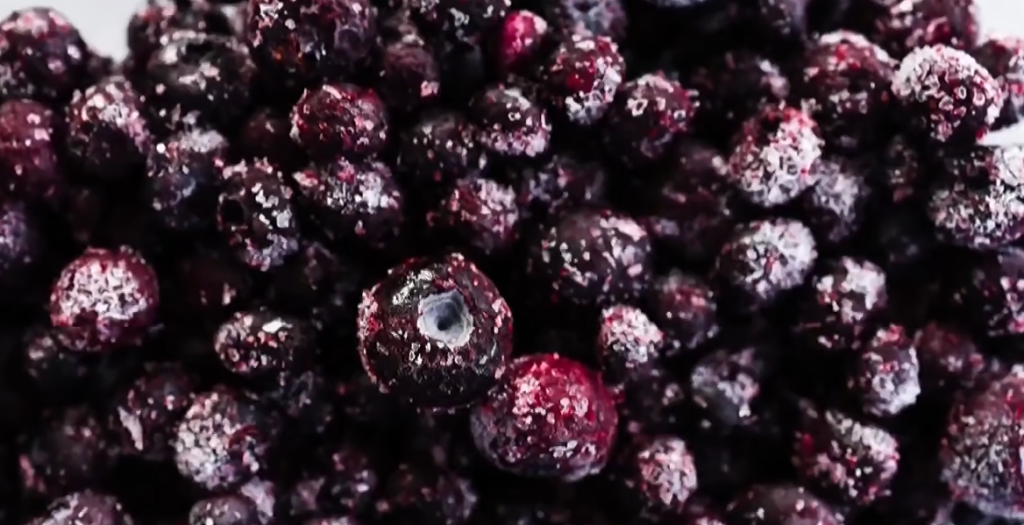
In the back of a freezer, behind a bag of edamame and Thanksgiving leftovers from last year, there may be a bag of GreenWise organic blueberries that no one has thought about in weeks. That’s the quiet danger at the heart of a story about food safety that has been building since May and really took off in August.
The FDA has now labeled the current Publix GreenWise blueberry recall as a Class I recall, which is the most dangerous type. This classification has a very serious meaning: the agency thinks that eating or even being near the affected product could seriously harm your health or even kill you. That’s not everyday language. You should pay attention when federal regulators use that level of language.
A company in San Carlos, Chile, called Frutas y Hortalizas del Sur S.A. is to blame for the recall. The company took back a single lot of frozen GreenWise organic blueberries on July 3. The blueberries were in 10-ounce packages with the lot code 60401 and a best-by date of February 9, 2028. The next day, July 29, Publix voluntarily recalled all lots of GreenWise Organic Frozen Whole Blueberries and Whole Mixed Berries, in both 10-ounce and 48-ounce packages. There are two items, four UPC codes, and eight southeastern states.
E. coli O145:H28 is the strain that is causing concern. Since early July, the FDA, CDC, and state health partners have been working together to keep an eye on this strain. The Florida Department of Health was the first to sound the alarm. On July 1, they told CDC partners about a group of illnesses that they were already keeping an eye on. From there, talking to sick people made it clear that Publix-bought frozen GreenWise blueberries were the cause. So far, 12 illnesses have been confirmed in Florida and Georgia. Four of them needed to be hospitalized. No one has died. That’s good to know, but it’s not the kind of information that makes things feel better.
Most of the time, E. coli infections show up between a few days and nine days after eating contaminated food. Bad stomach cramps, diarrhea, fever, feeling sick, and throwing up are just a few of the symptoms that can make you sick or even kill you. The infection can get worse and lead to bloody diarrhea and hemolytic uremic syndrome, a type of kidney failure that is especially dangerous for kids under five, adults over 65, and people whose immune systems aren’t working well. It’s not easy for healthy adults to get over an E. coli infection without long-term damage, and those who are most likely to get it don’t always have that extra safety net.
The place where these products were sold in the market makes it harder to ignore this recall. Publix’s own organic line is called GreenWise. People buy this kind of product because they think it’s been held to a higher standard. Frozen berries are added to smoothies in the morning, mixed into oatmeal, and given as snacks to little kids. It’s both funny and frustrating to think that a health-conscious purchase could have caused the problem. Many households might not even know they still have the item because frozen food tends to get lost in the back of the freezer and not be seen again.
The FDA did a remote regulatory assessment of the Chilean supplier and found problems that went beyond the first lot that was recalled. This is what led Publix to take more action. Since then, products from Frutas y Hortalizas del Sur S.A. have been added to Import Alert 99-35. This means that frozen blueberries from that company can now be held at the border without being physically checked until the company can show that the problems have been fixed.
If you live in Alabama, Florida, Georgia, Kentucky, North Carolina, South Carolina, Tennessee, or Virginia and have any of the GreenWise products that are affected in your freezer, be sure not to eat them. Get rid of them or bring them back to Publix to get your money back in full. If you’ve already eaten them and are feeling like you might have an E. coli infection, you should call your doctor. Anyone who needs help can call Publix’s customer service line at 800-242-1227, Monday through Friday, 8:30 a.m. to 5 p.m. Eastern.
The investigation is still going on. As federal and state agencies keep going through the data, more products could be added. It’s still not clear where in the supply chain the contamination started, which is an unsettling fact in and of itself. It shows that the distance between a farm in Chile and a freezer in Florida is smaller than most people think, and that gaps in the chain aren’t always obvious until something goes wrong.
