

You won’t even notice them if you walk down a residential street in the United States: a house with a steep roof and decorative half-timbering; a long, low-slung building that just barely clears the hedges; or a small two-story with a front door in the middle and shuttered windows. Most people have no idea what they’re seeing. That’s not really ignorance. It’s more that architectural language isn’t often used in everyday speech. But Tudor, Ranch, and Cape Cod homes aren’t just types of homes that show up on real estate listings. Each one has its own history, way of making sense, and way of telling you something about the time and culture that made it possible.
The Tudor style is likely the most dramatic of the three. It was heavily influenced by late medieval English architecture and came to America in the late 1800s and early 1900s, when people were really into romantic and Old World styles. The steeply pitched roofs, large gables, decorative half-timbering on the outside walls, and tall, narrow windows with small panes weren’t just for looks. They used real building methods from a different era that were adapted for a different continent. If you drive through older suburbs outside of Boston or Chicago, you can still see rows of them. The dark wood patterns on the walls contrast with the cream or white plaster, making them look a little out of place in the best way possible.
Ranch homes came after, and they were made because of a very different American dream. The Ranch style did very well because people were optimistic after World War II, land was cheap in the West and Southwest, and the middle class grew and wanted more space, like inside, outside, and in the garage. These are one-story homes that are usually wider than they are tall. They have low-pitched roofs and make it easy to move from inside to outside. They have an open and democratic feel to them. There are no formal parlors or grand staircases. The Ranch house pretty much said that everyone should have a nice place to live.
Cape Cod is in a unique and interesting place. It comes from the practical building styles of New England in the 1600s and is thought to be the most American of the three. The first Cape Cod cottages were built to withstand the harsh winters along the coast. They had steeply pitched roofs to shed snow, small windows to keep heat in, and a chimney in the middle of the house to heat the whole thing. The style got a big boost in the 1930s and 1940s, when a Cape Cod designed by Royal Barry Wills became a symbol of simple, proper American family life. These houses are small, symmetrical, and have dormer windows tucked into the roofline. They are usually one and a half stories tall.
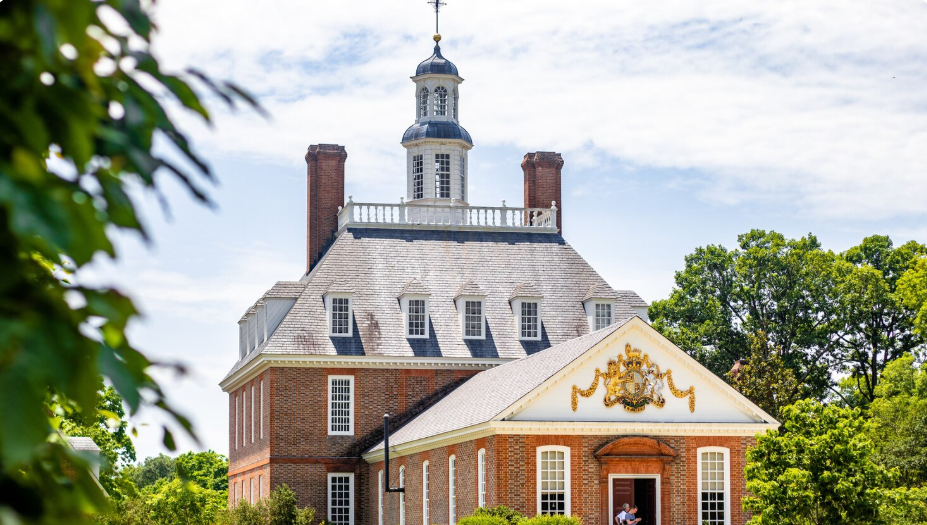
It’s interesting to note that these three styles showed up together recently in a strange place: the NYT Connections puzzle, grouped under “House Styles” with Mission architecture. The Tudor, Ranch, and Cape Cod pieces were put together in the puzzle for a reason. These are some of the most well-known house styles in American culture. In fact, they’re so well-known that they’re practically common knowledge, which shows how deeply they’ve become part of the national consciousness.
An interesting and maybe undervalued thing about each style is how it shows the worries and values of the time it was made. Tudor looked to the past to find legitimacy and history in a country that was still young and trying to figure out who it was. Ranch looked both outward and forward, welcoming the spread of prosperity across the country after World War II. Cape Cod looked inward—it was practical, not flashy, and quietly strong. There’s a sense that the types of homes people choose or inherit have deeper meanings than most people even think about.
It’s hard not to feel like someone put some thought into the bones of a Tudor house when you walk by it on a gray November afternoon and see how its gabled roof cuts into the cloudy sky. The same goes for a Ranch that is spread out over a sunny Western lot or a Cape Cod that is neatly lined up on a New England street. These aren’t just types of homes. People made choices decades ago that still affect the places where people live.
