

A mysterious bank deposit was the first thing many people saw when they woke up one morning in late January. No justification. “Lopez Voice Assistant” or “Lopez Voice Asst—Payouts,” a line item that appears in between the regular charges. People’s phones lit up as they asked the same Reddit question: is this a scam? It wasn’t. One of the more troubling privacy cases of the previous ten years was quietly settled by Apple.
The Lopez Voice Assistant Settlement began in 2021 when Fumiko Lopez, a resident of California, filed a lawsuit alleging that Siri had been listening in on her private conversations without her consent. According to the lawsuit, these inadvertent activations weren’t merely overlooked internally. It claimed that the conversations were shared with third-party advertisers, such as eateries and apparel companies, which would subsequently appear in eerily targeted advertisements on Safari or in Apple’s own search. Lopez was not the only one who saw this trend. Thousands of other Apple users reported experiencing the same issue.
Everything was denied by Apple. The business insisted that it did nothing wrong or illegal. The $95 million settlement and the company’s continued formal denial of any wrongdoing are the parts worth pondering for a moment. Of course, that is a common stance in business litigation. However, it does raise questions about the internal discussions that took place prior to the writing of that check.
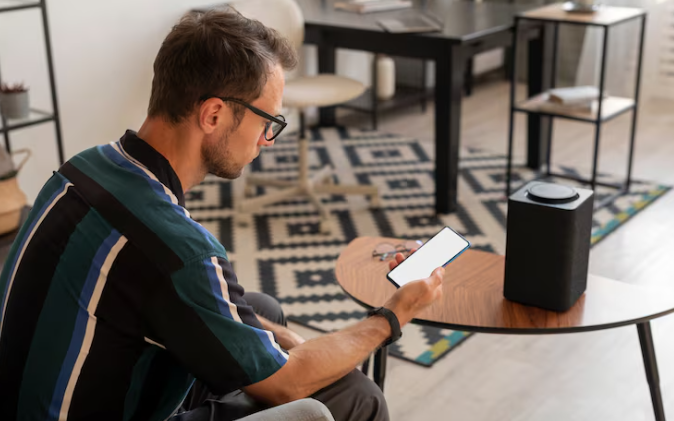
From September 17, 2014, to December 31, 2024, a lengthy period that essentially encompassed the modern Siri era, was covered by the settlement. Potential eligibility was available to anyone who had a Siri-enabled device at the time and thought they had accidentally activated it during a private conversation. This meant that devices such as iPhones, iPads, Apple Watches, MacBooks, HomePods, Apple TVs, and iPod Touches were all available. Payments were limited to $20 per device, and eligible users could submit claims for up to five devices.
The claims window closed in early July 2025 after opening in May of last year. October 2025 saw the final court approval. Deposits had begun to arrive by the end of January 2026. Because so many people filed, the pro-rata calculation reduced the average payout to about $8.02 per device, so the math wasn’t quite as generous as the cap suggested. Assuming five legitimate claims, the maximum amount that anyone could actually collect was roughly $40.10. Not exactly money that changes your life. However, class action settlements are rarely.
Receiving $8 from a multitrillion-dollar company because your speaker might have overheard you placing your dinner order is a peculiar feeling. The sum almost seems symbolic, a sign that something occurred without the burden of complete responsibility. Depending on how much you initially trusted the device, that may or may not feel like justice.
The case does highlight how covertly these privacy issues had been building. Since 2011, Siri has been available on iPhones. Given how voice assistants operate, it is not wholly surprising that it might occasionally activate by accident and that those errors could have commercial repercussions. However, the specific claim that any of that audio was received by third parties goes beyond what most users most likely never thought of when they first said “Hey Siri” to set a timer.
Apple is not the only tech company under fire for the actions of its voice assistants. Similar questions have been addressed in recent years by Google, Amazon, and other companies. The industry as a whole believes that the public has never had a complete understanding of what these always-on devices capture. That uncertainty is not eliminated by the Lopez settlement. However, it does put a monetary value on the discomfort, and it seems to be worth $95 million.
