

Australia’s rooftop solar seemed like a clear winner for a long time. Put up the panels, use them to make your own electricity, send the extra back to the grid, and watch your power bill go down. That’s exactly what millions of homes across the country did. But what happened next wasn’t planned for, and now there is a new rule that makes solar owners think more about when and how they share their energy with everyone else.
The “sun tax” isn’t really a tax put on people by the government. It’s more accurate to call it a two-way pricing structure, since homeowners are charged for sending extra solar energy to the grid during peak generation hours, which are usually between 10 am and 3 pm, when the sun is shining the brightest and demand from the rest of the network is low. The term “sun tax” was mostly used in the news, and it stuck, probably because it describes something real: the feeling that a benefit that people thought would last forever is being quietly renegotiated.
It’s easy to see why the shift happened. Solar panels are now being put on roofs in Australia at one of the fastest rates in the world. Massive amounts of electricity flow back into a grid that wasn’t designed to handle energy going both ways on a clear weekday afternoon. That extra power causes real technical issues, like unstable voltage, the chance of power outages, and traffic on infrastructure that was built decades ago with a very different energy system in mind. These fees were made possible by a framework that was approved by the Australian Energy Market Commission. Different distributors have been putting it in place at different rates and under different conditions.
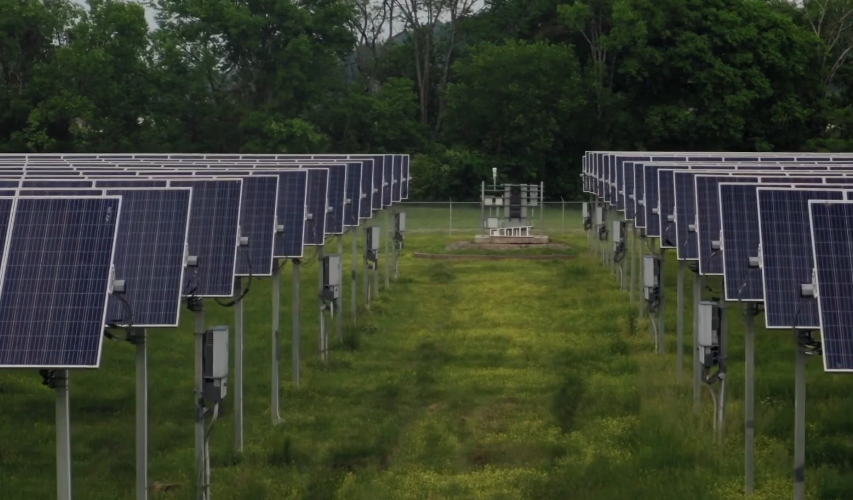
New South Wales is the only state that has a sun tax in progress right now. Ausgrid, one of the biggest distributors, charges customers about 1.2 cents per kilowatt-hour for exports between 10 am and 3 pm. But between 4 pm and 9 pm, when demand goes up and the grid benefits from the extra supply, they pay customers about 2.3 cents per kilowatt-hour for exports. There is also a free threshold, which means that the first few kilowatt-hours exported during the busiest times of the day are usually not charged at all. An average 5-kilowatt solar home, according to Ausgrid, will spend between $6 and $13 a year on electricity. That’s not terrible. But this changes the math, especially for people who put money into solar panels in part because they thought they would get reliable feed-in income.
Victoria and Queensland have both said they will not put the charge in place. The two-way structure has been used in South Australia. Western Australia and the Northern Territory, which are not part of the National Electricity Market, probably won’t see it at all any time soon. It’s still not clear how the policy will change in states that are currently waiting it out, but it seems likely that as the use of solar continues to grow, the strain on power grids around the world will eventually force a response.
By chance, the most useful way to lower your exposure to the sun tax is also the one that solar supporters have been recommending for years: storing batteries. A home battery stores the extra energy that would have been sent to the grid during the day and then sends it back out in the evening, when both the home and the grid need it. Running energy-hungry appliances like dishwashers, washing machines, or air conditioners during peak solar hours has the same effect, keeping more of the electricity that is made in the home instead of sending it to the grid.
There’s a bigger irony to think about here. Australians were told to install solar panels on their roofs, and they did, in large numbers that surprised even the most optimistic forecasters. People who changed their behavior first because of the incentives are being asked to do it again now that adoption has created a real infrastructure problem. How you look at that history has a lot to do with how fair the sun tax seems. The energy system is changing, and the old ideas about solar returns that you can forget about don’t quite hold true anymore.
