

When you take a game off the shelf, read the back of the box on the way home, and then slide the disc into the console, it’s a certain feeling. It’s just a small ritual—nothing important—but for a generation of gamers, it’s part of what it means to buy a game. Sony has chosen January 2028 as the end date for that ritual. There will be no more discs for new PlayStation games. The platform is going digital-only, and the company said this week that they don’t want to make that call again.
During the company’s Q1 2026 earnings call, Sony CFO Lin Tao talked about the backlash in public for the first time. The news came out in July, but Sony didn’t say anything for weeks while the internet did what the internet does: protests, petitions, and a community-organized event called “PSBlackout” in which fans promised to turn off their consoles and go offline during the last week of August. Tao said that the company understood the emotional connection players have to physical media and acknowledged the “strong views” from the community. He then confirmed that the decision would stand. The business said it is “not seeing any impact” on its operations and doesn’t think there will be any in the future either. The statement was calm, well-thought-out, and firm.
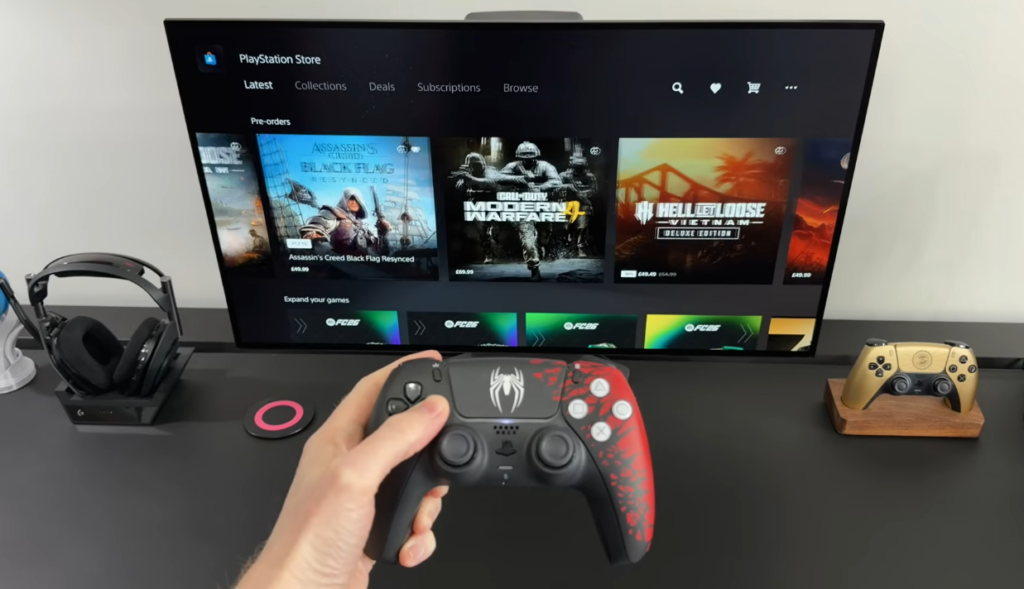
The numbers that Sony gives really do show something. Together, 82% of full game software for the PlayStation 4 and PlayStation 5 is now sold digitally. That’s not just a trend; it’s already the main truth. Mat Piscatella, an analyst in the field, recently said that in the US so far this year, only seven PlayStation games have sold more than 100,000 physical copies. Seven. With those numbers in mind, Sony’s choice seems less like a risky move and more like a company catching up with its own sales data.
People are talking about “code-in-a-box” as a solution for retail. This is physical packaging that is sold in stores and has a digital download code inside instead of a disc. Some titles are already going through it. Take-Two has confirmed that this is how the huge GTA 6 game will be distributed. Tao said that this model has already taken hold in a quiet way in North America. It’s still not clear if this will satisfy retailers in other areas, like Europe and Japan, but Sony has said it will keep talking with partners in those areas. It’s possible that some markets will hold out longer than others, but it’s clear where things are going.
The real problem is that the code-in-a-box option doesn’t answer the question of who owns the code. You have a disc. Even if a company goes out of business or a server is turned off, it can still be played, lent, sold, and stored. A digital license is not any of those things; it’s just access, but only as long as the platform stays friendly. People who want to protect games have brought up this point many times, and it’s hard to ignore. Digital stores have shut down in the past. They become smaller. Licenses run out. A lot of the time, the games that last are the ones that are still on physical media in someone’s closet.
You should know that PlayStation isn’t the only one in this. The third-party market is already moving in the same direction as Microsoft, which hasn’t said for sure that it will keep physical media for its next generation of consoles. This doesn’t seem like a decision made just by Sony. Instead, it seems like the whole industry came to the same conclusion but from different points of view. People who play PC games gave up physical media years ago without much of a fuss, in part because Steam’s library model made the switch easier. It remains to be seen if Sony can make something similar that will last in the console market.
People are really angry. A group of players who are paying attention to what ownership really means are clearly very angry about the PSBlackout campaign. But Sony is betting, and it’s a reasonable bet given the numbers, that most of its more than 120 million users will keep playing anyway. Still, it’s not clear what “cautiously moving forward” means in real life. The way the company talked about getting gamers involved in the future digital ecosystem could have meant a lot of different things. It doesn’t seem to mean changing direction, though.
Article Reference Table
| Detail | Information |
|---|---|
| Company | Sony Interactive Entertainment (PlayStation) |
| Decision | End physical disc production for all new PlayStation games |
| Effective Date | January 2028 |
| Announcement Date | July 1, 2026 |
| Sony CFO Statement | Lin Tao addressed backlash during Q1 2026 earnings call |
| Digital Sales Ratio | 82% of full game software sold digitally (PS4 + PS5 combined) |
| Physical Sales Data | Only 7 PlayStation games sold over 100,000 physical units in the US in 2026 |
| Retail Alternative Proposed | Code-in-a-box (digital download code in physical packaging) |
| Already In Practice | North American market already using code-in-a-box for some titles |
| Major Third-Party Example | GTA 6 by Take-Two confirmed as code-in-a-box distribution |
| Fan Protest Event | “PSBlackout” — fans pledged to turn off consoles and PSN in final week of August |
| Backwards Compatibility | Physical games released before January 2028 remain fully playable |
| Sony’s Business Impact Statement | “Not seeing any impact on our business” — CFO Lin Tao |
| Key Consumer Concern | Digital licenses do not allow resale, lending, or long-term preservation |
| Industry Context | Microsoft has not yet addressed physical media for next-gen console |
| PC Gaming Parallel | PC gaming shifted away from physical media years earlier via platforms like Steam |
