

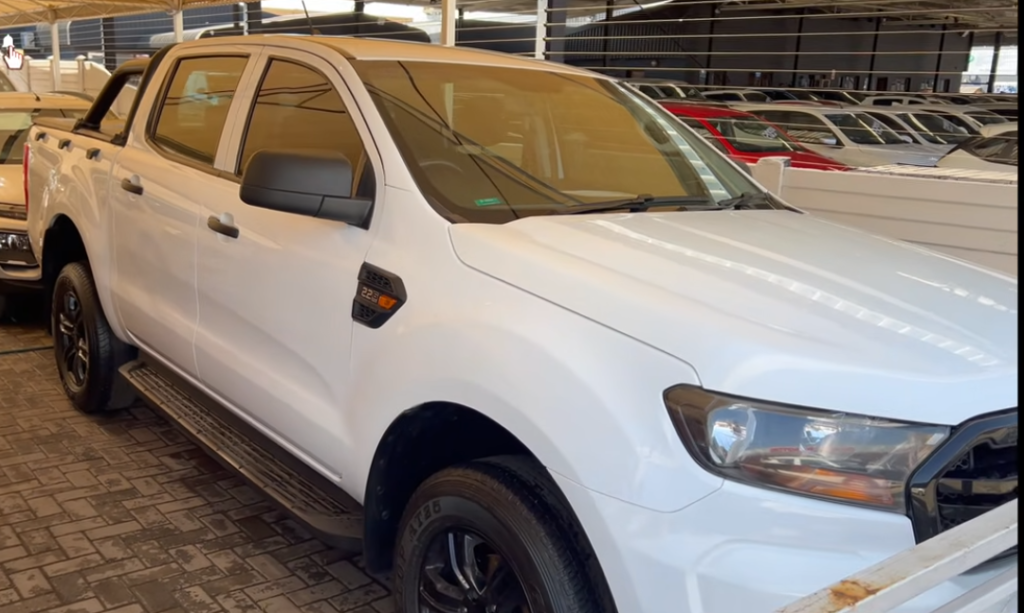
In June 2023, a man named Rocha went into a car dealership in Gqeberha, signed some papers, and then drove off in a brand-new Ford Ranger. He sent three payments, totaling almost R81,000, and then didn’t show up at all. Don’t talk. Not a car. No address to send mail to. This next part was even stranger than the fraud itself: WesBank sued the dealership instead of going after the man who had disappeared.
That case ended up in the Eastern Cape High Court, and the bank wasn’t happy with the decision that they got back.
Your Car Guy, a family-run business in Gqeberha with a good reputation for being quiet and reliable, had to defend a claim for R1.36 million, which was pretty much the full amount WesBank had paid for the car. The bank said the dealer had broken a number of the terms of its Master Sale and Representation Agreement. And the court agreed that there had been breaches. At that time, the car wasn’t in stock at the dealer. It wasn’t paid for in full. There were some details that weren’t given. Things looked bad for the dealer on paper.
Now, though, the judge makes an interesting change. Judge Murray Lowe said that none of these problems were what led Rocha to run away with the truck. Rocha was the one who did the fraud. He lied about his job and gave an address where he didn’t live, but he still got through WesBank’s credit approval process without any problems. It was WesBank that took care of his application. WesBank, which checked his creditworthiness. WesBank that said yes in the end.
That makes you want to sit with it. After the loan went into default, the bank’s own fraud investigator admitted that checks on Rocha showed he had no real connection to the employer or address he listed on his application. But that information didn’t come out until after the payments stopped. It’s a good question, and the court seemed to think about it carefully: where in this chain did something go wrong?
The owner of Your Car Guy, Ray Neethling, was blunt after the decision. He said that the case was never just about one car. He did it to protect his employees, his customers, and the business that his family had built. From what he said, it sounds like the lawsuit was unfair to him, both legally and personally. It sounds like a small business was caught up in someone else’s crime and then got a legal bill for it.
The court also pointed out some important holes in WesBank’s claim. The bank hadn’t taken Rocha’s three payments out of the R1.36 million amount. The interest calculation didn’t look right. The individual sale agreement that was a key part of the case was never actually shown in court. Judge Lowe said that it’s not clear that the numbers would have held up even if WesBank had won on the bigger points.
The work that WesBank did to find Rocha also didn’t make a big difference. One witness said that the collections team did try to get in touch with him, but they couldn’t give any more information. No one from collections spoke in court. It’s possible that the bank had good reason to think that Rocha would not pay back the loan or the car. But because that evidence wasn’t in court, there was a hole that the dealership’s lawyers were happy to point out.
WesBank had to pay the dealer’s legal fees in the end, which hurt more than just symbolically. The case seems to show, in a quiet but clear way, that giving a loan to someone who hasn’t applied for one will have consequences. And a court in the Eastern Cape just confirmed that the institution that approved it, not the dealership that sold the car, is responsible for those consequences.
