

There is a kind of charitable giving that takes place in secret; it’s the kind that charities only talk about in a press release weeks later, almost as an apology. Then there was what Travis Kelce and Taylor Swift did the week before their wedding. Twenty good causes. A whopping $26 million. From food banks in Rhode Island to Dolly Parton’s Imagination Library, this is a list of places that help kids with cancer. If this sounds like someone is trying to make a point, that might be the case.
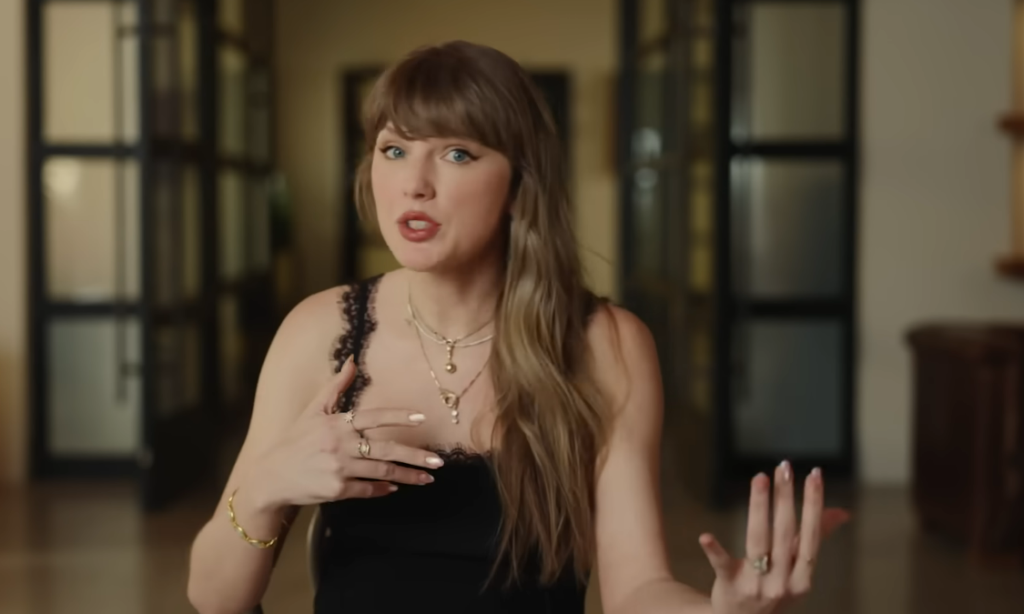
People didn’t like that the couple got married at Madison Square Garden in early July. Most of the complaints were about the closed streets and the large NYPD security detail that was needed for the event. Swift is said to have paid more than $160,000 to cover the cost of the police. But there was a lot more to the wedding week than just planning the details. A representative for Taylor Swift and Travis Kelce said in a brief, almost understated statement a few days before the ceremony, “This week, Travis Kelce and Taylor Swift donated $26 million to charities across the United States.” There is no fanfare. There is no social media countdown. The charities said what they needed to say.
The names on the list were not a surprise, like Harvesters in Kansas City, where Kelce played for ten years, and Children’s Mercy Hospital in the same city. Swift has been involved with food security issues for a long time. As her Eras Tour went through town, she would always donate food to food banks in those cities. In New York, City Harvest got a million dollars, which its CEO called “a love letter to New York.” More money was given to the Rhode Island Community Food Bank. Feeding America was included on a national level. There are nine food banks in all.
Then there was Answer The Call, which is the N.Y. Police and Fire Widows’ & Children’s Benefit Fund. It helps the families of police officers, firefighters, port authority police, and EMS workers who died on the job. They got two million dollars, and the group shared responses from some of the people they help. Mary Farino wrote that her husband, Battalion Chief Thomas J. Farino, had died on September 11, 2001. She said that her daughter had listened to Taylor Swift on college road trips and that her son had become a fan of Travis Kelce. The little things like this make giving less like a transaction. Amanda Rivera wrote that she felt alone in her grief until Answer The Call “came into our lives for the better.” Her father, Officer William Rivera, was killed in 2004. At the end, she said, “Sorry, Travis, I’m a Giants fan, but the Chiefs are the better team.”
For her Imagination Library literacy program, Dolly Parton won $2 million. In response, she posted a video that was, as all of her videos are, completely different from what had been said. She thanked them and called them kind. Then, without missing a beat, she asked if she could have their first child. It landed in a way that only Dolly can.
Some might say that big donations from famous people like these are done on purpose—to get good press before a big event or to quiet down the crowds at a very public wedding, for example. That’s likely too negative. It’s been years since Swift did this, and most people don’t know about it until the charities say something. It’s hard not to notice that this pattern started before the level of fame that would make it seem like it was all calculated.
No matter what its goals were, the donation week gave a lot of organizations—including food banks that were almost full, a pediatric cancer ward, and a 9/11 widow’s fund—a lot of money at a time when federal budget cuts are putting pressure on the whole nonprofit sector. The action may have emotional roots. The effect is useful.
