

With its modest typography, white package with yellow accent, and mild promises of congestion relief, it appeared to be something you could trust. One of those homeopathic treatments that is frequently thrown into shopping baskets without much consideration was ReBoost nasal spray. It didn’t shout “medication.” Wellness was murmured.
However, that whisper took a drastic turn on December 16, 2025. A voluntary countrywide recall was started by ReBoost’s manufacturer, MediNatura New Mexico, Inc. Once advertised as a remedy for headaches, pressure, and postnasal drip, their homeopathic nasal spray was discovered to be contaminated with microorganisms. The lab results were especially disturbing: mold, yeast, and a bacterium called Achromobacter had taken up residence within the bottle.
The majority of healthy persons may experience just mild irritation as a result of such pollution. However, the dangers are much higher for someone whose immune system is impaired. Unaccounted-for fevers, chronic pressure behind the eyes, facial edema, and even systemic infections are examples of symptoms that are not only hypothetical; they are actual realities.
ReBoost had a substantial recall. It included all lots that were up for sale at the time, with expiration dates as far back as late 2022. Despite being proactive, that choice demonstrated how broad the risk window had grown. The product has spread widely, from Brooklyn corner pharmacies to Portland’s upscale natural health stores. Additionally, it had been offered online, even via MediNatura’s own website, which increased the intricacy of its distribution.
| Key Detail | Information |
|---|---|
| Product Name | ReBoost Nasal Spray (Homeopathic) |
| Company | MediNatura New Mexico, Inc. |
| Recall Announcement Date | December 16, 2025 |
| Reason for Recall | Microbial contamination (yeast, mold, Achromobacter species) |
| Risk | Potential for life-threatening infections, especially in immunocompromised |
| Distribution | Nationwide (retail + internet sales) |
| Packaging Details | 20mL bottle, white/yellow carton, NDC 62795-4005-9, UPC 787647101863 |
| Recall Scope | All lots within expiration (12/2022 to 12/2025) |
| Refund Contact | recall@medinatura.com / 800-621-7644 |
| FDA Recall Info | FDA.gov Announcement |
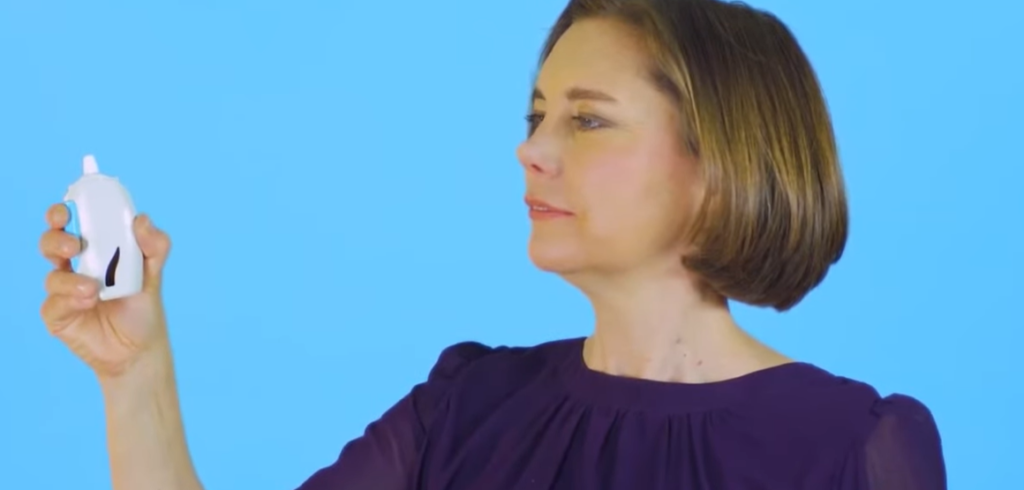
To make matters worse, ClearLife Allergy Nasal Spray was also included in the recall. That product, which is likewise produced by MediNatura, is advertised as a homeopathic remedy. It also revealed evidence of microbial contamination, which prompted the business to step up its efforts. By that point, the packing information—20mL bottles, soft green and white boxes—was being scanned for returns rather than purchases.
For anyone who has ever thought that “natural” equates to “safe,” this recall is a sobering reminder that good intentions do not always translate into cleanliness in manufacturing. Mold is unconcerned if your branding is more botanical.
MediNatura effectively communicated through company announcements, email alerts, and media coverage from People and NBC Chicago. They highlighted the recall’s voluntary nature. They gave refunds. They described FDA reporting processes and provided contact details. It was an incredibly effective response, particularly in a sector that isn’t subject to the same regulatory requirements as traditional pharmaceuticals.
Behind the collaboration, though, there is a question that persists subtly: Why did this occur in the first place?
Like many homeopathic remedies, ReBoost is exempt from the stringent pre-approval testing that is required for prescription medications. The FDA keeps an eye on post-market labeling and safety, but a large portion of its regulation relies on businesses self-reporting problems when they occur. Strict internal controls by manufacturers are necessary for this softer approach to be effective. Unknowingly, the consumer is at risk when those controls malfunction or lag.
This case is especially instructive because of the type of contamination. Achromobacter is not a rogue microorganism that was taken from a journal on rare diseases. It is a moisture-loving bacteria that is frequently found in wet settings and on medical equipment. Its presence here suggests a potentially unsettling practical issue: a breakdown in filtering systems, cleaning procedures, or sterile bottling guidelines.
I recently had a conversation with a pharmacist who focused on natural and holistic treatments. According to him, the impression that products like ReBoost are “cleaner” substitutes for medications, rather than just the chemicals, is what drives consumer trust. “People prefer to think they’re selecting something softer,” he remarked, offering me a sample of an allergy spray made with chamomile.
When I held it, I wondered if the softness was actually in the formula or if it was only in the typography.
This is the point at which the ReBoost recall transcends a manufacturing defect. It forces a whole segment of the health and wellness industry to face its shortcomings. Safety isn’t a feeling. It is an established, quantifiable standard. Your bottle must be rigorously sealed, kept, and transported regardless of whether it contains diluted plant extracts or premium antihistamines.
No sicknesses linked to ReBoost have been documented as of yet. That is both a blessing and a relief. It is possible that some small reactions were overlooked or ignored because the symptoms of such contamination can resemble ordinary colds or allergies. It will take time for that cloud of doubt to clear.
The product should be stopped right away, returned to retailers, or emailed to MediNatura for a refund. If they are paying attention, the process is considerably simpler for those who purchased it online. Many customers don’t keep note of expiration dates or lot numbers. Few continue to follow FDA announcements. Under such circumstances, a straightforward nasal spray turns into an unexpectedly serious public health issue.
MediNatura, on the other hand, has handled the issue responsibly. They give thorough notices. Their lines of communication are open. The retailer collaboration seems to be going well. However, people don’t remember things for long, and for businesses like MediNatura, restoring trust after an incident like this requires a process rather than an apology.
They might make a significant change by enforcing stricter third-party inspections, increasing transparency standards, and strengthening internal quality control. If adopted by the entire business, that change might completely change how customers assess “natural” remedies—not by their claims, but by their accuracy.
